


Jean's inventory problem was one I have seen many times in East Africa. He had good suppliers and fair prices, but his warehouse was not making the money it should. The issue was not what he sold, but what he did not sell. Once he understood his customer segments and adjusted his stock mix accordingly, everything changed.
A balanced binding wire inventory matches local construction demands and storage conditions. For East African wholesalers, maintaining 60% galvanized wire and 40% black annealed wire provides the flexibility to serve both outdoor structural projects and indoor finishing work without tying up excess capital in slow-moving stock.
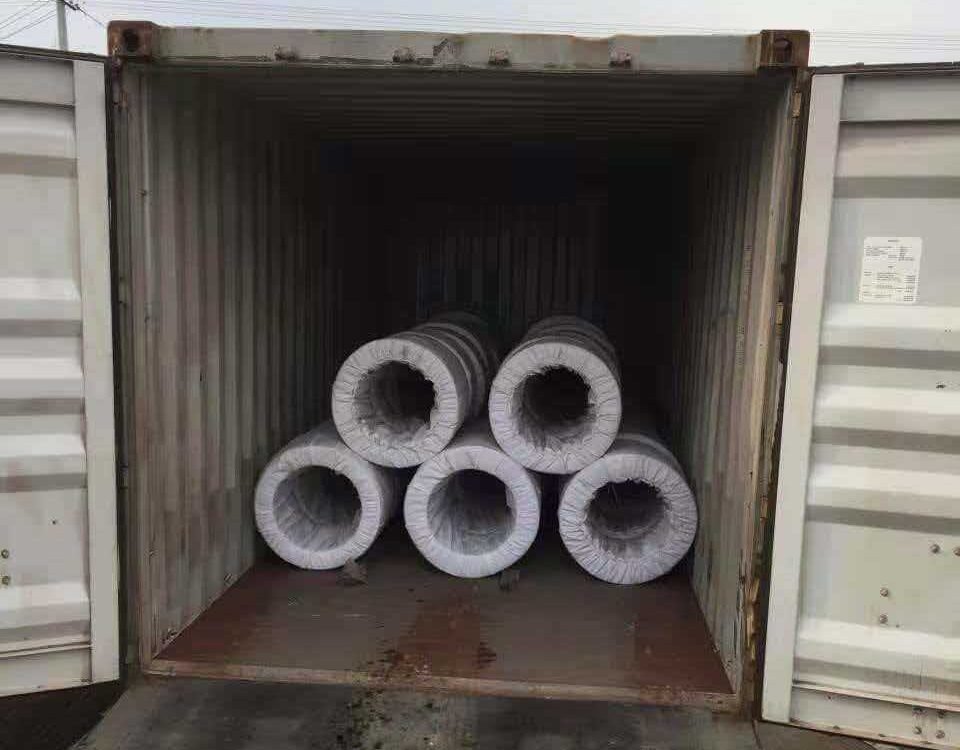
Jean's problem was simple but expensive. He only stocked galvanized wire because that was what most contractors asked for. But he was losing business every month. Some customers wanted black annealed wire and went elsewhere. Other customers complained that his galvanized wire looked dull after sitting in the warehouse. Let me show you how he fixed both problems.
Why Does Galvanized Wire Turn Dark in Storage?
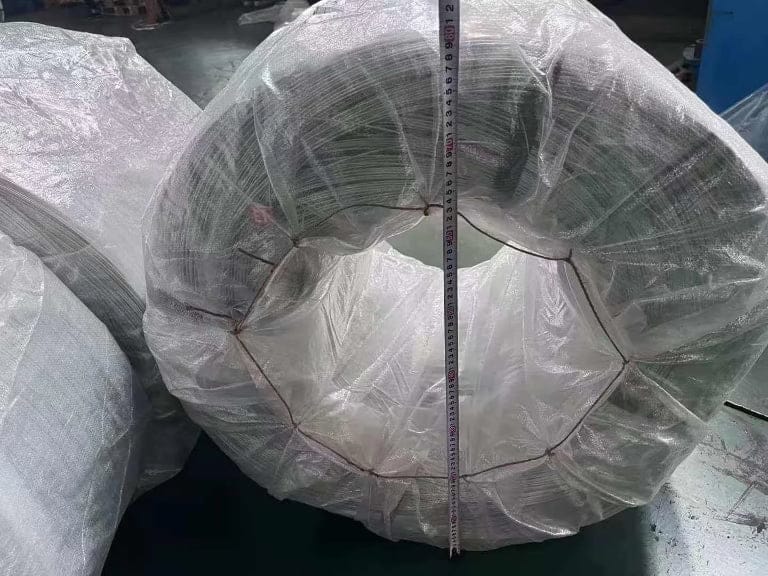
Jean used to buy three months of galvanized wire inventory at once. He thought bulk buying saved money. But Rwanda has two rainy seasons each year. The humidity stays high most of the time. After six weeks in his warehouse, the outer coils of galvanized wire started to oxidize.
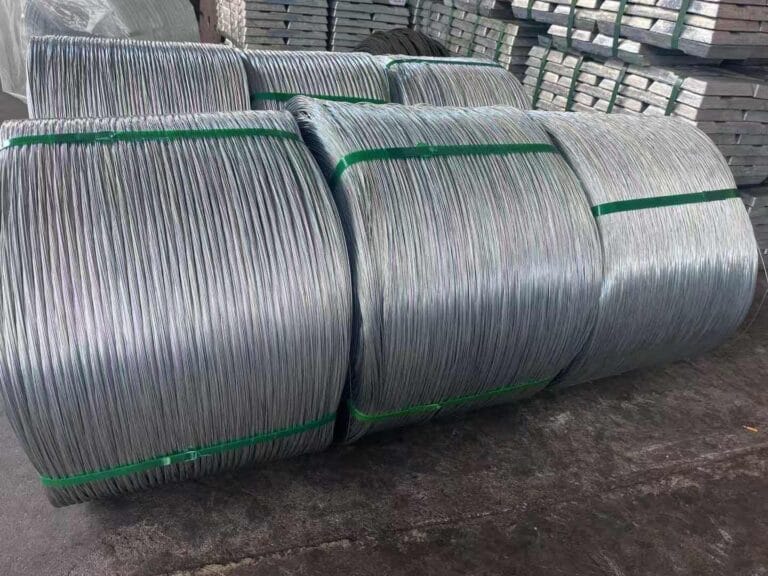
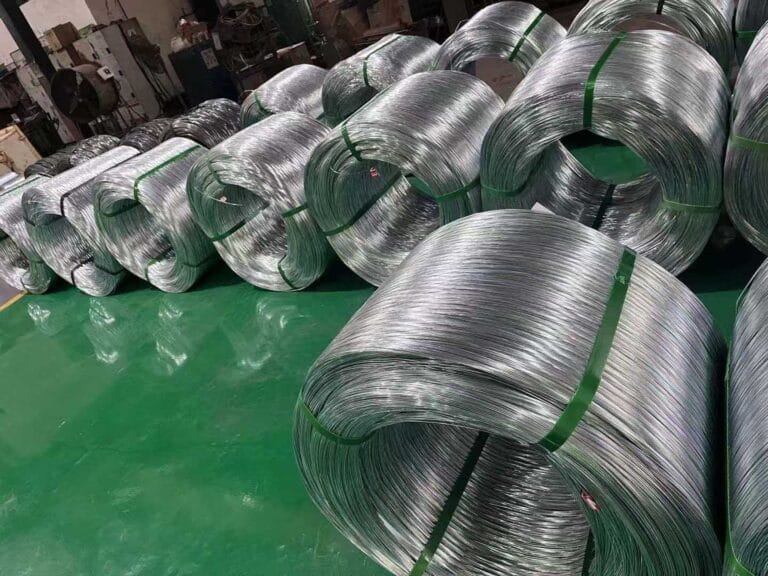
The zinc coating on galvanized wire reacts with moisture in the air, forming zinc oxide that appears as a white or gray film on the surface. While this does not significantly reduce the wire's strength, it makes the product look old and affects customer perception, especially when competing suppliers offer brighter-looking wire.
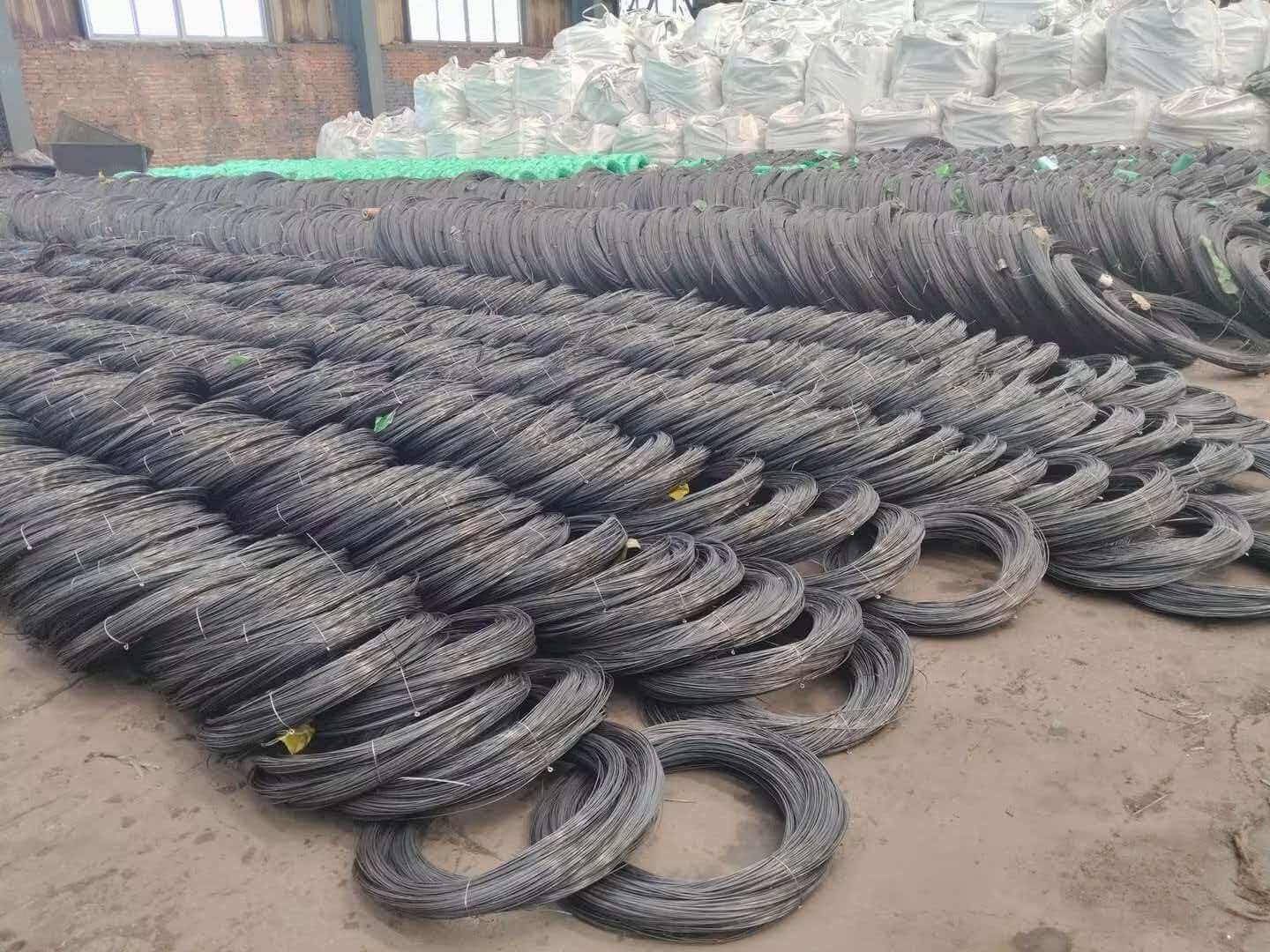
The chemistry is straightforward. Zinc coating protects steel by sacrificing itself first. In humid air, the zinc layer oxidizes slowly. This creates a patina that actually protects the wire underneath. But customers do not care about chemistry. They see dull wire and think it is inferior quality. Jean was losing sales because his stock management did not account for local climate.
I helped Jean understand the oxidation timeline. In Rwanda's climate, galvanized wire starts showing visible oxidation after 40-50 days of warehouse storage. The outer coils suffer more because they have more air exposure. Inner coils stay protected longer. Jean needed to turn his galvanized inventory faster or improve storage conditions.
| Storage Duration | Zinc Layer Appearance | Customer Acceptance | Action Required |
|---|---|---|---|
| 0-30 days | Bright silver shine | Excellent | Normal sales |
| 31-50 days | Slight dullness | Good | Priority clearance |
| 51-70 days | Visible gray patina | Poor | Deep discount |
| Over 70 days | Heavy oxidation | Very poor | Reprocessing needed |
Jean made two changes. First, he reduced his galvanized wire inventory to two months maximum. Second, he started using plastic sheeting to cover his stock piles. These simple changes stopped the oxidation complaints. His customers noticed the difference immediately.
What Happens When You Only Stock One Wire Type?
Jean's second problem was missed opportunities. Several times each month, customers asked for black annealed wire. Jean did not stock it. He assumed everyone wanted galvanized wire for construction. He was wrong. Those customers went to his competitors instead.
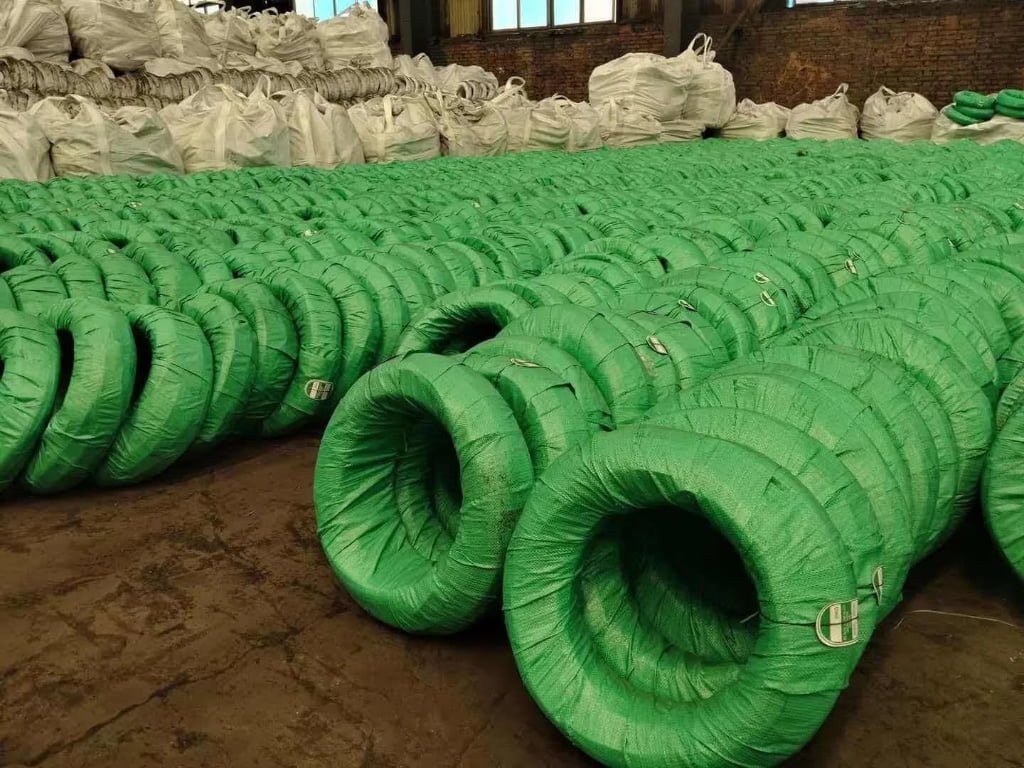
Black annealed wire serves different applications than galvanized wire. Interior contractors use it for partition framing, HVAC (Heating, Ventilation, and Air Conditioning) installers need it for ductwork support, and electricians prefer it for cable bundling because it bends easily without cracking. By stocking only galvanized wire, wholesalers miss 30-40% of potential binding wire customers.
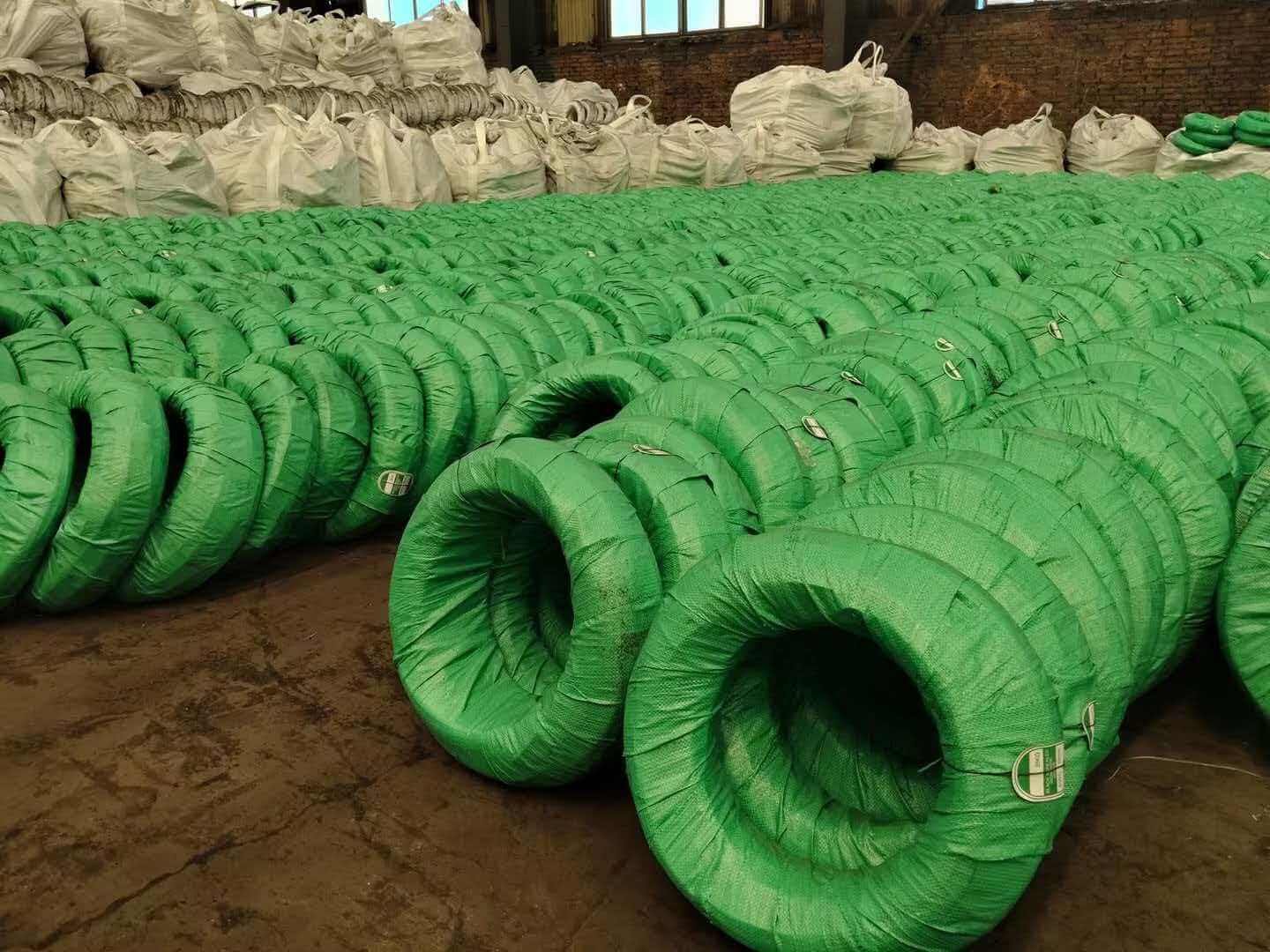
I asked Jean to track every inquiry for one month. He found that about 35% of customers specifically asked for black annealed wire. Some needed it for interior work where rust resistance mattered less than flexibility. Others used it for temporary installations that would be removed within months. A few customers told Jean they preferred black wire because it was easier to twist by hand.
The economics surprised Jean. Black annealed wire typically costs 8-12% less than galvanized wire at the factory gate. But customers in Kigali paid almost the same retail price for both types. The profit margin was actually better on black annealed wire. Jean had been leaving money on the table by not stocking it.
Different customers need different wire types. Jean started mapping his customer base by their actual usage patterns:
| Customer Type | Primary Need | Wire Preference | Purchase Frequency |
|---|---|---|---|
| Building contractors | Rebar tying | Galvanized 2.0mm | Weekly/monthly |
| Interior contractors | Partition framing | Black annealed BWG 16 | Bi-weekly |
| HVAC installers | Duct support | Black annealed BWG 18 | Monthly |
| Electrical contractors | Cable bundling | Black annealed BWG 16 | Monthly |
| Maintenance companies | General repairs | Mixed preference | As needed |
This breakdown showed Jean why single-product inventory was costing him business. Each customer segment had specific needs. Some needed the durability of galvanized wire. Others valued the flexibility and lower cost of black annealed wire. Jean needed both products to serve his full potential market.
How Should You Split Galvanized and Black Annealed Inventory?
Jean asked me what ratio to use. I told him there is no universal answer. The right mix depends on your market and your storage conditions. But Jean needed a starting point. We worked out a system based on his actual customer data.
The optimal inventory mix for most East African wholesalers is 60% galvanized wire and 40% black annealed wire. This ratio covers the majority of customer requests while minimizing storage problems. Within the galvanized category, stock 2.0mm and 1.5mm diameter as these sizes handle 80% of construction binding applications.
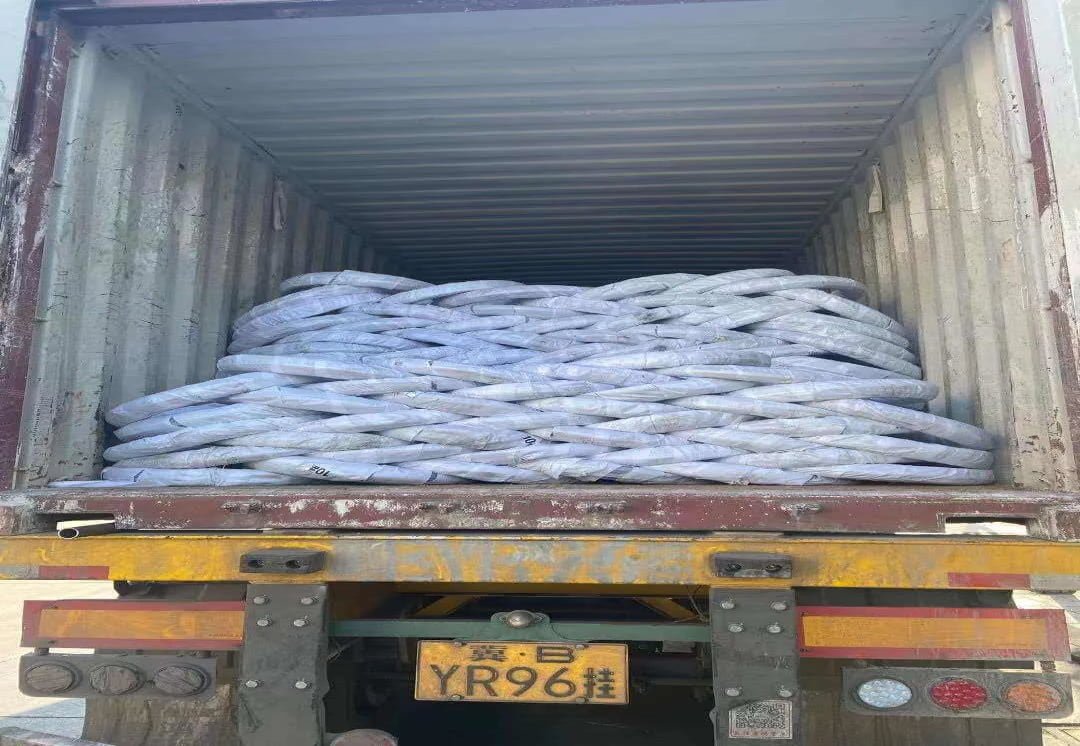
Jean started with this 60-40 split. He kept detailed sales records for three months. The data confirmed that this ratio worked well for his market. About 65% of his revenue came from galvanized wire sales, but 40% of his transactions involved black annealed wire. Some customers bought both types in the same order.
The size selection mattered as much as the type selection. Jean used to stock six different diameters of galvanized wire. His sales data showed that 2.0mm and 1.5mm accounted for 78% of galvanized wire volume. He reduced his diameter range to four sizes total and stocked more depth in the popular sizes.
Jean discovered that his ideal mix was not constant throughout the year. Rwanda has two distinct rainy seasons: March to May and October to December. During these periods, humidity jumps significantly. Galvanized wire oxidizes faster. Customer preferences shift slightly toward black annealed wire for temporary applications.
| Season | Humidity Level | Galvanized % | Black Annealed % | Reasoning |
|---|---|---|---|---|
| Dry season (Jun-Sep) | Low-medium | 65% | 35% | More outdoor construction |
| Short rains (Oct-Dec) | High | 55% | 45% | Storage concerns + indoor work |
| Dry season (Jan-Feb) | Low | 65% | 35% | Peak building season |
| Long rains (Mar-May) | Very high | 50% | 50% | Maximum indoor work shift |
Jean now adjusts his inventory purchases two months before each rainy season. He reduces galvanized wire orders and increases black annealed wire. This timing lets him sell through galvanized stock before humidity peaks while having plenty of black wire for customers shifting to interior work during rain periods.
The seasonal adjustment had an unexpected benefit. Jean's average inventory age dropped from 75 days to 45 days. Lower inventory age meant less working capital tied up. It also meant fewer customer complaints about wire appearance because nothing sat in his warehouse long enough to develop heavy oxidation.
What About Minimum Order Quantities from Suppliers?
Jean faced a practical problem when he first tried to implement the mixed inventory strategy. His Chinese supplier had MOQ (Minimum Order Quantity) requirements. A 20-foot container holds about 25 tons of binding wire. Jean wanted to order both galvanized and black annealed wire in the same container, but the supplier required at least 5 tons per wire type and diameter combination.
Most Chinese binding wire factories have MOQs of 5-10 tons per specification. To maintain a diverse inventory mix within standard container limits, wholesalers should order no more than 4-5 different SKUs (Stock Keeping Units) per container, focusing on proven bestsellers and avoiding experimental sizes that may sit unsold.
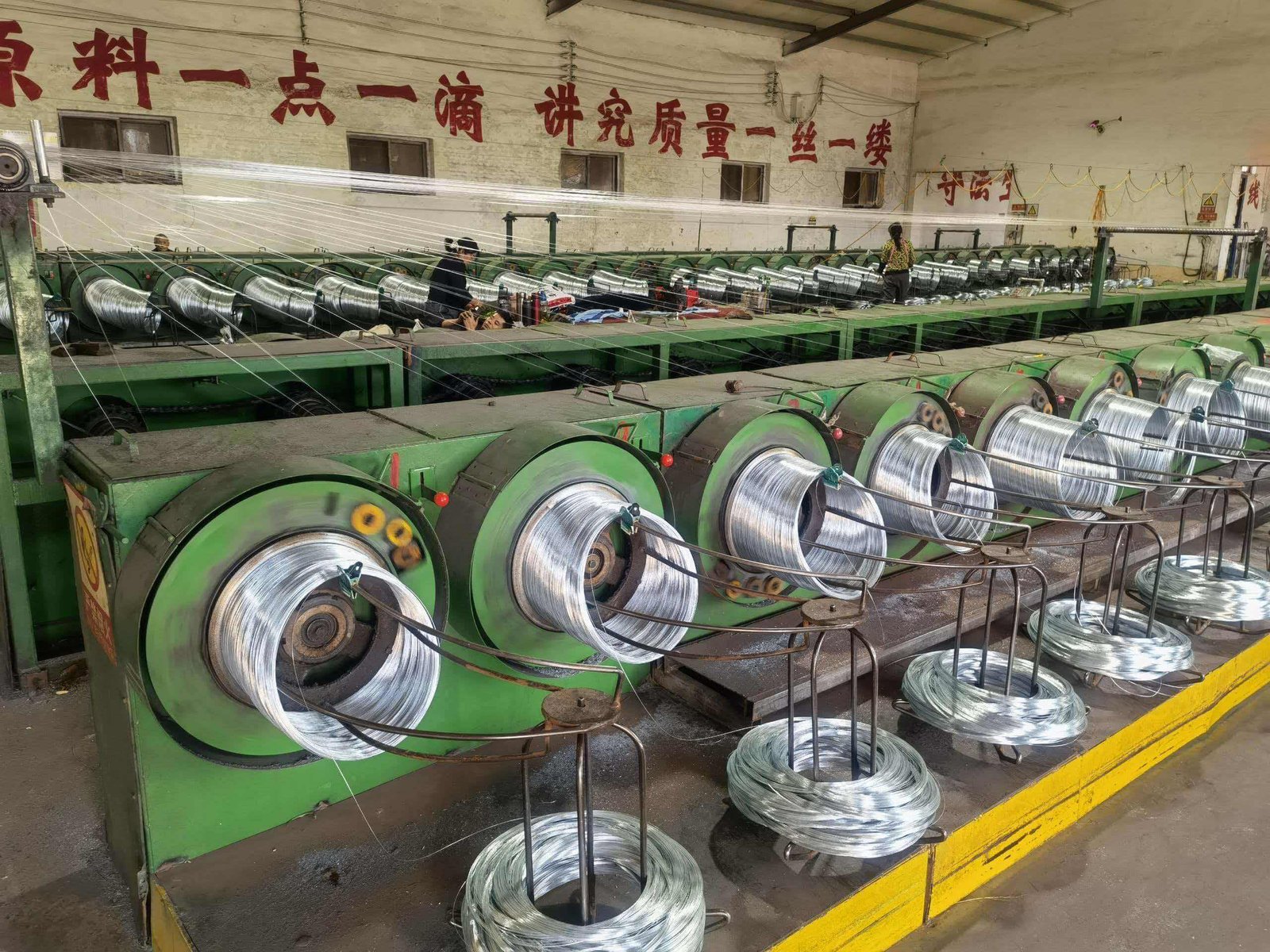
Jean and I worked out a container loading plan that met both his inventory needs and his supplier's minimums. For a standard 25-ton shipment, Jean now orders 8 tons of galvanized 2.0mm wire, 7 tons of galvanized 1.5mm wire, 6 tons of black annealed BWG 16 wire, and 4 tons of black annealed BWG 18 wire. This combination gives him the 60-40 split he needs while staying above minimum order quantities.
The container planning taught Jean another lesson. He used to order whatever his supplier recommended. Now he plans each container based on his own sales data. This change alone improved his inventory turnover by 35%. His warehouse space is better utilized and his cash flow improved significantly.
How Do You Know When Your Mix Is Wrong?
Jean asked me how to recognize when his inventory ratio needed adjustment. I told him to watch three specific indicators. These signals tell you when your product mix is out of balance with market demand.
Your inventory mix needs adjustment when you experience any of these three situations regularly: selling out of one wire type before other types move, receiving specific customer requests for unstocked items more than twice weekly, or having wire that sits unsold for more than 90 days.
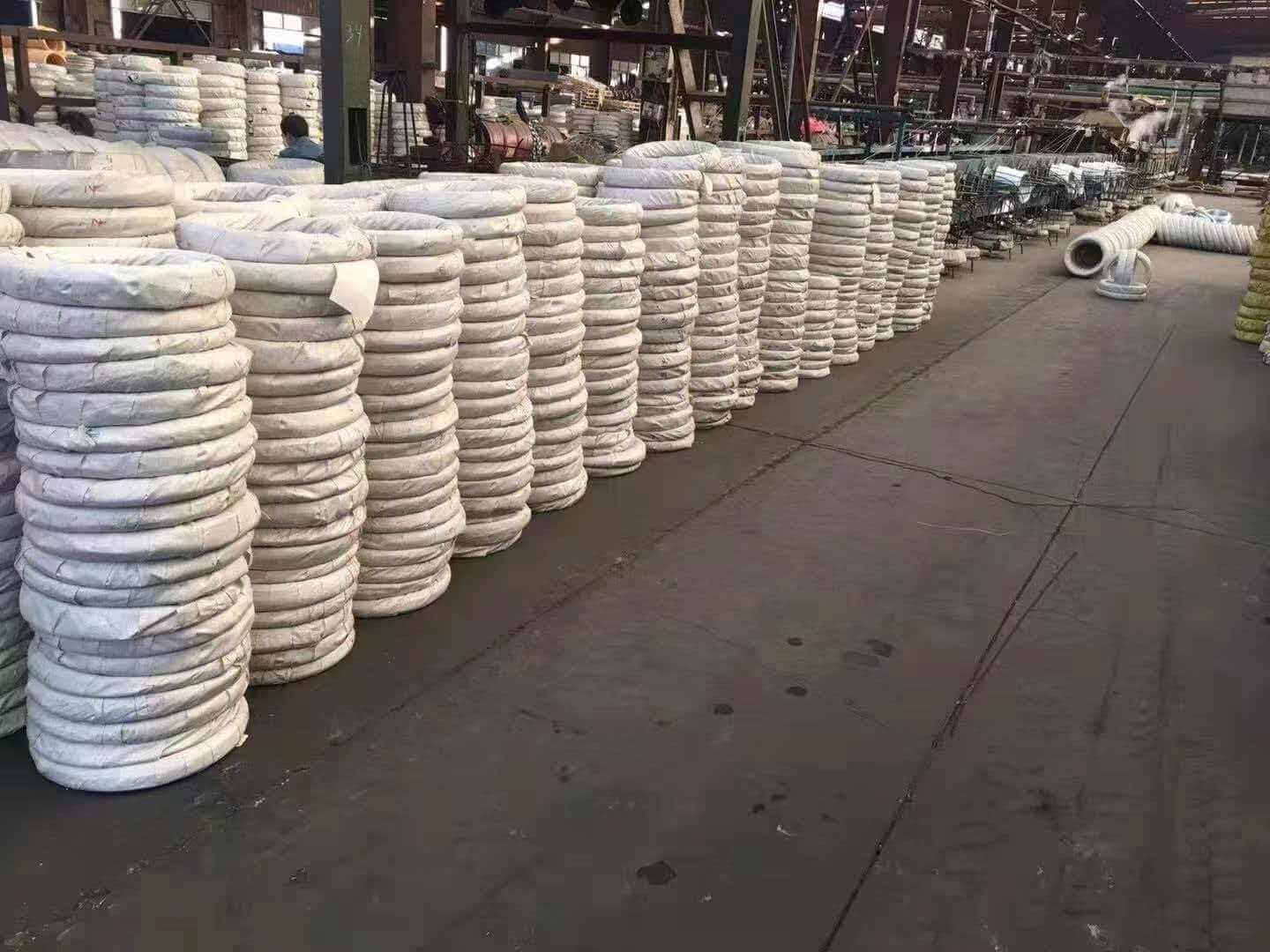
Jean now tracks these metrics monthly. He maintains a simple spreadsheet that shows days of inventory remaining for each wire type, stockout frequency, special order requests, and aging inventory. When Jean sees galvanized 2.0mm wire running low while black annealed BWG 18 wire accumulates, he knows his next order should shift more toward galvanized wire. When customers ask for a specific size more than three times in one month, he considers adding it to his regular stock mix.
The tracking system helped Jean spot a trend he missed before. During Kigali's major building boom in mid-2023, demand for heavier gauge galvanized wire jumped. Jean noticed special order requests increasing. He added 2.5mm galvanized wire to his next container order. That size now accounts for 12% of his galvanized sales. He would have missed this opportunity without systematic tracking.
Jean learned that some inventory imbalance is actually strategic. He now maintains deeper stock of his absolute bestsellers even if it skews his overall ratio temporarily. This buffer stock prevents costly stockouts during peak demand periods. The buffer strategy costs Jean about 8% more in inventory carrying costs, but it saves him much more in lost sales and customer dissatisfaction. Construction contractors value reliability and will pay slightly higher prices to wholesalers who always have stock available.
Conclusion
Jean's inventory mix strategy turned his struggling warehouse into a profitable operation. The key was matching product variety to customer segments while respecting local storage conditions. His 60-40 split between galvanized and black annealed wire, adjusted seasonally for humidity, eliminated both oxidation complaints and missed sales opportunities. Smart wholesalers in East Africa should track their own sales data and climate patterns to find their optimal mix.
We provide full MTC (Mill Test Certificate) and Certificate of Origin with every shipment.
We provide a full range of construction binding wire for African projects. Galvanized Iron Wire: https://mfgwiremesh.com/metal-wire/galvanized-iron-wire/ Black Annealed Iron Wire: https://mfgwiremesh.com/metal-wire/black-annealed-iron-wire/ 201 Stainless Steel Wire: https://mfgwiremesh.com/metal-wire/201-stainless-steel-wire/ Mix container loading supported.
If you are sourcing construction binding wire for Rwanda or any African market, we are happy to provide a specification-based quotation. Contact us via WhatsApp: +86 15383180672.
FAQ:
Q1: Setting up a mixed inventory of galvanized and black annealed wire for East African markets.
A1: Maintain a 60-40 split between galvanized and black annealed binding wire, keeping only two months of galvanized stock to prevent zinc coating oxidation during humid rainy seasons. Focus on 2.0mm and 1.5mm galvanized wire for structural work, and BWG 16 and BWG 18 black annealed wire for interior applications. Adjust the ratio seasonally—increase galvanized to 65% during dry months and raise black annealed to 45-50% before rainy seasons when interior work dominates.
Q2: Storing binding wire properly to prevent oxidation in humid warehouse conditions.
A2: Store galvanized wire on raised pallets with plastic sheeting underneath, positioned away from warehouse walls where condensation forms. Keep black annealed wire in the driest section with enhanced ventilation, as it has no protective coating. Use FIFO (First-In, First-Out) rotation and inspect coils every two weeks for rust or packaging damage. Jean reduced average storage time to 45 days and eliminated customer complaints about coating quality.
Q3: Planning container orders to meet supplier MOQs while maintaining inventory variety.
A3: For a standard 25-ton container, a practical loading plan is 8 tons galvanized 2.0mm, 7 tons galvanized 1.5mm, 6 tons black annealed BWG 16, and 4 tons black annealed BWG 18. This meets typical MOQ (Minimum Order Quantity) requirements of 5-10 tons per specification while achieving the 60-40 inventory split. Order no more than 4-5 different SKUs (Stock Keeping Units) per container to avoid tying up capital in slow-moving sizes.