


Malawi wholesalers who stock only one type of binding wire face two problems: storage losses from zinc oxidation and lost sales from customers who need the other type. Understanding how to mix galvanized and black annealed wire inventory helps protect margins and keep customers coming back, even during the rainy season.
Chimwemwe adjusted his inventory after losing orders and watching his galvanized stock darken in storage. Buyers like him, who need reliable supply of both construction binding wire types for Malawi's humid climate, can find detailed specifications on our product page: https://mfgwiremesh.com/metal-wire/galvanized-iron-wire/
I used to think stocking just galvanized wire was enough. Then I met a Lilongwe wholesaler who taught me why mixing both types actually protects your margins and keeps customers coming back even during rainy season.
Malawi wholesalers typically maintain 60% galvanized and 40% black annealed wire inventory, adjusting this ratio seasonally based on humidity levels and customer demand. This mixed approach prevents zinc oxidation losses during storage and captures orders from contractors who need softer wire for indoor applications.
Last year I visited Chimwemwe's warehouse in Lilongwe during the rainy season. The zinc coating on his older galvanized coils looked dull and darkened. He could still sell them, but customers were not happy. That visit changed how I think about wire inventory in high-humidity markets.
Why Do Galvanized Wire Coils Darken in Storage?
Galvanized wire seemed like the perfect product to stock. It resists rust and lasts longer. I thought I could buy large quantities and store them for months without problems.
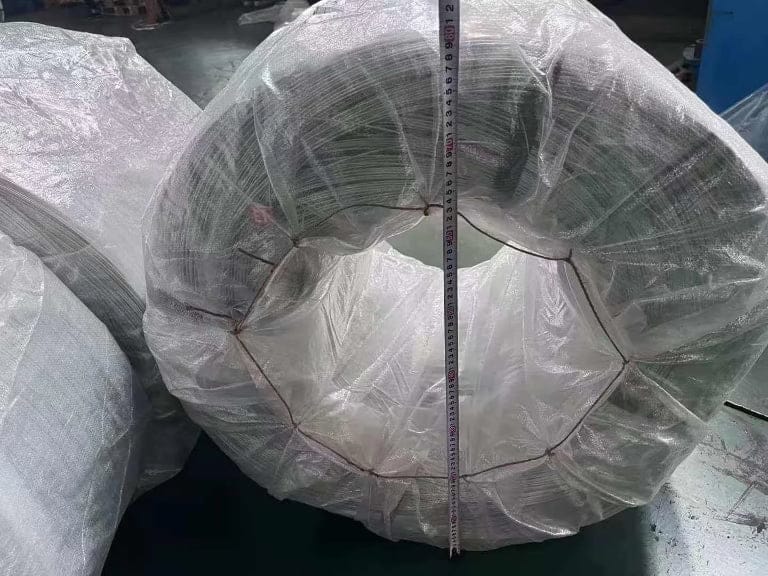
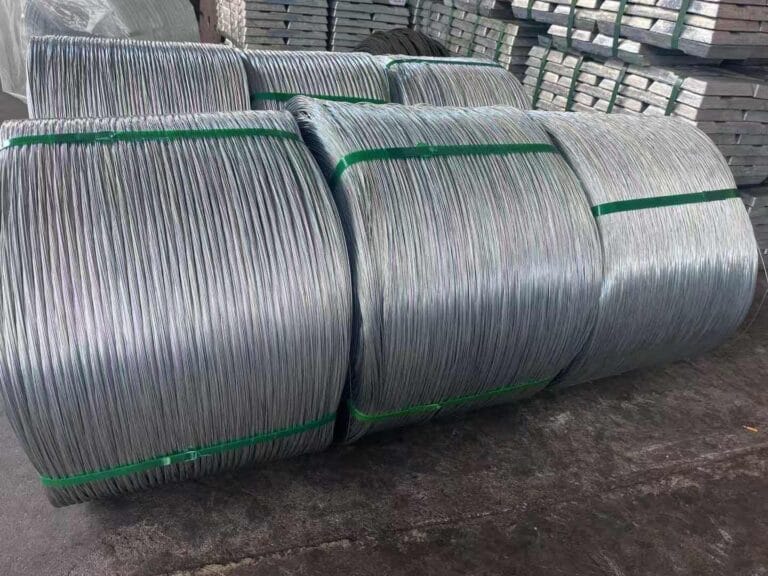
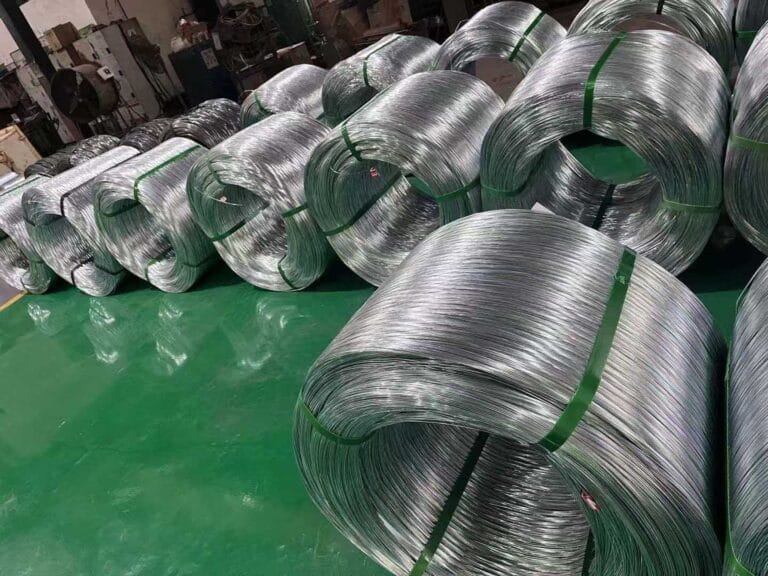
Zinc coating oxidizes when exposed to moisture and air over time. In Malawi's rainy climate, this oxidation accelerates on outer coils in storage. The zinc layer turns grey or develops white rust, making the wire look old even when it is structurally sound.
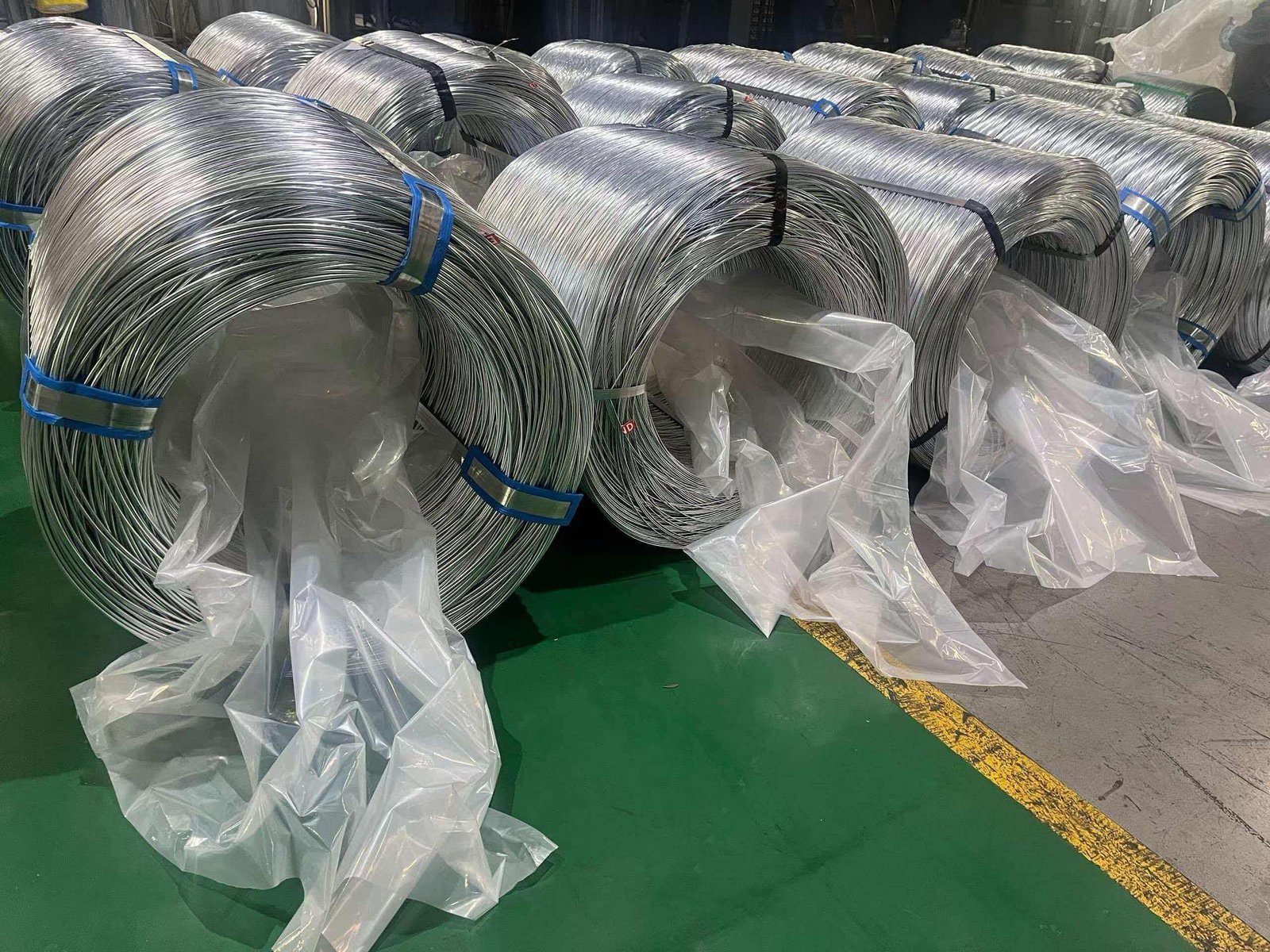
Chimwemwe explained what was happening in his warehouse. Malawi's rainy season runs from November to April. Humidity stays high even during dry months. His warehouse had basic ventilation but no climate control.
Here is what causes the darkening:
| Factor | Impact on Zinc Coating |
|---|---|
| High humidity (70%+) | Accelerates oxidation of outer zinc layer |
| Temperature fluctuations | Creates condensation on metal surfaces |
| Air circulation | Poor ventilation traps moisture around coils |
| Stacking method | Outer coils expose more surface to air |
| Storage duration | Oxidation becomes visible after 60-90 days |
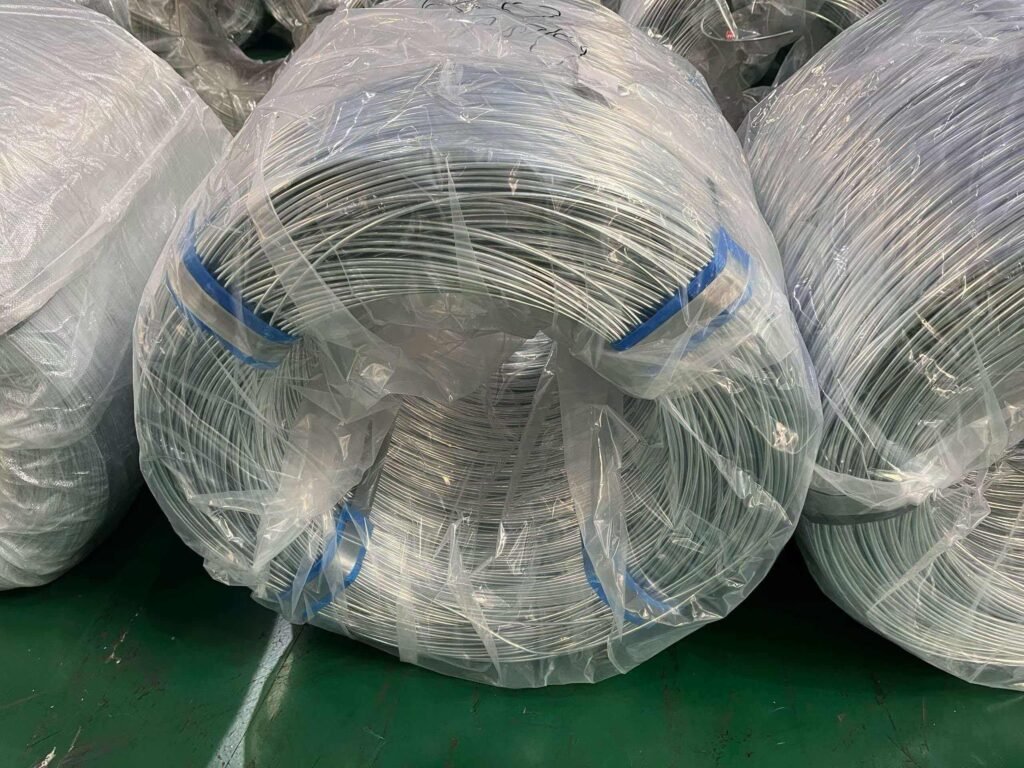
The outer coils always darkened first. Chimwemwe tried wrapping them tighter in plastic, but moisture still got through. He realized the solution was not better packaging. It was faster turnover. He now limits galvanized wire storage to two months maximum.
I asked him about losses. He said the darkened wire still met strength specifications. But customers judged quality by appearance. They assumed darkened wire was defective or stored improperly. Some refused to pay full price. Others switched to competitors who had fresh-looking stock.
The financial impact was real. Every coil that sat too long cost him either a discount or a lost customer relationship. He needed a different approach.
What Makes Black Annealed Wire More Storage-Friendly?
I never paid much attention to black annealed wire before. Chimwemwe said it solved half his storage problems. I was skeptical at first.
Black annealed wire has no zinc coating to oxidize. The dark surface naturally hides minor rust spots that form during storage. This makes it more forgiving in humid warehouse conditions and extends viable storage time to 3-4 months without visible degradation.
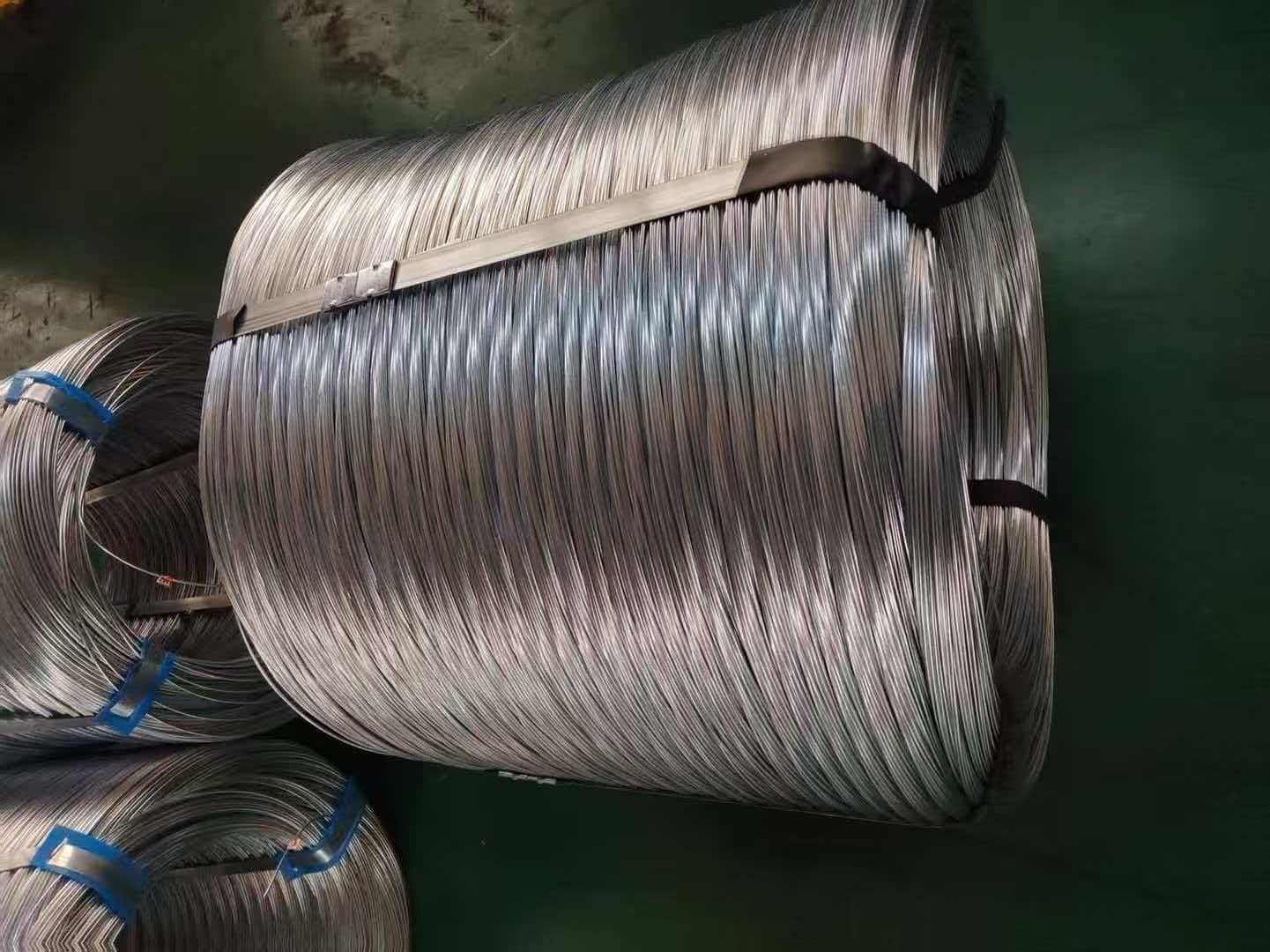
The difference comes down to surface treatment. Galvanized wire relies on a thin zinc layer for protection. Any damage to this layer shows immediately. Black annealed wire goes through a heat treatment that softens the steel and creates a dark oxide layer. This surface is already dark, so minor oxidation blends in.
Chimwemwe stores black annealed wire differently than galvanized:
| Storage Factor | Galvanized Wire | Black Annealed Wire |
|---|---|---|
| Maximum storage time | 60 days | 90-120 days |
| Stacking height | 3 coils maximum | 5 coils possible |
| Plastic wrapping | Essential | Helpful but not critical |
| Ventilation needs | High | Moderate |
| Visual quality decline | Rapid after 2 months | Gradual over 4 months |
I noticed another advantage in his warehouse. Black annealed wire coils took less space because he could stack them higher. The weight distributed better and the wire was less likely to deform under pressure.
But storage was only part of the story. Chimwemwe told me about customer segments I had completely missed. Some contractors specifically wanted black annealed wire. They were not looking for rust resistance. They needed soft wire that bent easily without breaking.
These customers did interior work. They tied rebar for columns and beams inside buildings. They secured electrical conduits and plumbing pipes. For these applications, the wire needed flexibility more than weather resistance. Black annealed wire was softer and easier to twist by hand.
I asked why he did not stock only black annealed if it stored better and had dedicated customers. He said most construction sites still preferred galvanized for outdoor work. The mixed inventory let him serve both segments without losing sales.
How Should You Split Your Wire Inventory?
Chimwemwe showed me his inventory spreadsheet. He tracked every coil by purchase date, wire type, and diameter. His current mix was 60% galvanized and 40% black annealed.
The optimal inventory mix depends on your local climate, customer base, and warehouse conditions. Start with 60% galvanized for general construction demand and 40% black annealed for indoor applications and longer storage flexibility. Adjust this ratio based on seasonal humidity and customer ordering patterns.
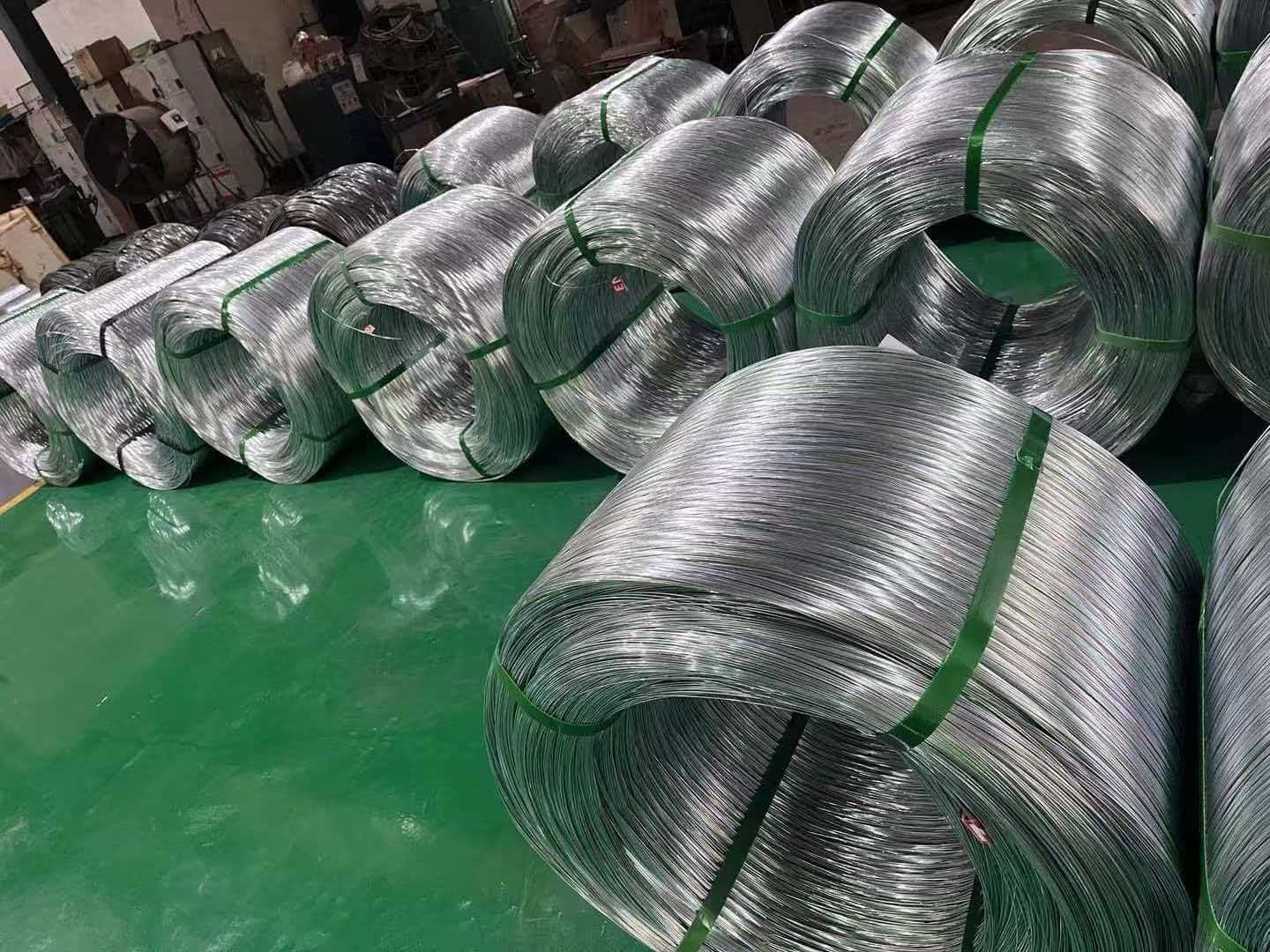
Here is how Chimwemwe breaks down his inventory by specifications:
| Wire Type | Diameter | Percentage of Total | Primary Use Case |
|---|---|---|---|
| Galvanized | 2.0mm | 25% | Heavy rebar tying, foundation work |
| Galvanized | 1.5mm | 20% | General construction, fence posts |
| Galvanized | 1.2mm | 15% | Light rebar work, small projects |
| Black Annealed | BWG 16 (1.63mm) | 20% | Indoor rebar, conduit fixing |
| Black Annealed | BWG 18 (1.22mm) | 15% | Electrical work, fine bundling |
| Stainless steel | Various | 5% | Special orders, marine applications |
He adjusts these percentages twice a year. Before the rainy season starts in October, he increases black annealed stock to 45-50%. Galvanized drops to 50-55%. This reduces his risk of zinc oxidation during high-humidity months.
In May when the dry season begins, he shifts back. Galvanized inventory goes up to 65-70%. Black annealed drops to 30-35%. Construction activity picks up during dry months and most outdoor projects want galvanized wire.
I asked about his reorder points. He told me he reorders galvanized wire when stock drops to 30% of normal levels. This gives him a 2-3 week buffer before new shipments arrive. For black annealed, he reorders at 40% remaining stock. The longer storage life means he can wait a bit longer without risking stockouts.
The results surprised me. Chimwemwe said he has not lost a customer to inventory issues in eight months. His wire looks fresh when customers visit the warehouse. He can quote prices confidently without worrying about storage-damaged stock eating into margins.
His advice to other Malawi wholesalers was simple. Do not stock only one type. Mix your inventory based on local conditions and customer needs. Monitor your turnover rates closely. Adjust your ratios when seasons change.
I watched him check coil dates during our visit. Any galvanized wire over 45 days old got moved to the front of the warehouse for priority sales. Black annealed could sit longer without concern. This rotation system kept his inventory fresh and his customers satisfied.
We provide full MTC (Mill Test Certificate) and Certificate of Origin with every shipment.
We provide a full range of construction binding wire for African projects. Galvanized Iron Wire: https://mfgwiremesh.com/metal-wire/galvanized-iron-wire/ Black Annealed Iron Wire: https://mfgwiremesh.com/metal-wire/black-annealed-iron-wire/ 201 Stainless Steel Wire: https://mfgwiremesh.com/metal-wire/201-stainless-steel-wire/ Mix container loading supported.
If you are sourcing construction binding wire for Malawi or any African market, we are happy to provide a specification-based quotation. Contact us via WhatsApp: +86 15383180672.
FAQ:
Q1: Managing galvanized wire storage in Malawi's humid climate.
A1: Galvanized wire zinc coating oxidizes after 60-90 days in high humidity, causing visible darkening that affects customer perception even though strength remains intact. Limit galvanized wire inventory to two months maximum, store coils on raised pallets with good ventilation, and rotate stock using FIFO (First-In, First-Out) method. Move older coils to priority sales positions before oxidation becomes visible.
Q2: Advantages of stocking black annealed wire alongside galvanized wire.
A2: Black annealed wire stores 90-120 days without visible degradation because the dark oxide surface hides minor rust spots. It serves indoor construction customers who need softer wire that bends easily for rebar tying, electrical conduit fixing, and plumbing pipe support. Stocking both types captures orders from both outdoor structural contractors and indoor finishing crews.
Q3: Adjusting inventory ratios for Malawi's seasonal humidity changes.
A3: Maintain 60% galvanized and 40% black annealed as your base inventory split. Before the rainy season starts in October, increase black annealed to 45-50% and reduce galvanized to 50-55% to minimize oxidation risk. When the dry season begins in May, shift back to 65-70% galvanized and 30-35% black annealed to meet peak construction demand. Reorder galvanized wire at 30% remaining stock and black annealed at 40% remaining stock.