


Rwanda's strict construction standards create specific requirements for binding wire that contractors in other East African countries rarely encounter. Understanding the right specifications for different applications and weather conditions helps projects pass inspection and avoid costly rework. Here is what one Kigali contractor learned about meeting Rwanda's building codes.
Jean worked on a government office building where the inspector checked every material specification. Buyers like him, who need clear guidance on construction binding wire for Rwanda's demanding standards, can find detailed specifications on our product page: https://mfgwiremesh.com/metal-wire/galvanized-iron-wire/
I bought the wrong binding wire last year. The wire broke when my workers tried to tie rebar on site. We wasted two hours that morning, and I had to send someone to buy new wire. That day taught me that choosing binding wire is not just about price. I need to know what I am actually buying.
You should match the wire type to Rwanda's climate and your project needs. Galvanized wire works well for outdoor structures in both dry and rainy seasons, while black annealed wire is better for indoor work or temporary binding. The wire diameter must match your rebar size, and proper packaging matters more in humid areas like Kigali.
Most contractors I know in Kigali face the same question when they start a new project. The supplier shows them different types of wire, and they pick based on what they used last time. But Rwanda's climate is tricky. We have two rainy seasons, and humidity stays high most of the year. The wire that worked in Nairobi might not work the same way here.
What Are the Main Types of Binding Wire Used in Rwanda?
Kigali suppliers stock mainly two types of binding wire. I see galvanized wire and black annealed wire on every building site I visit. Some contractors think they are the same thing with different colors. They are not.
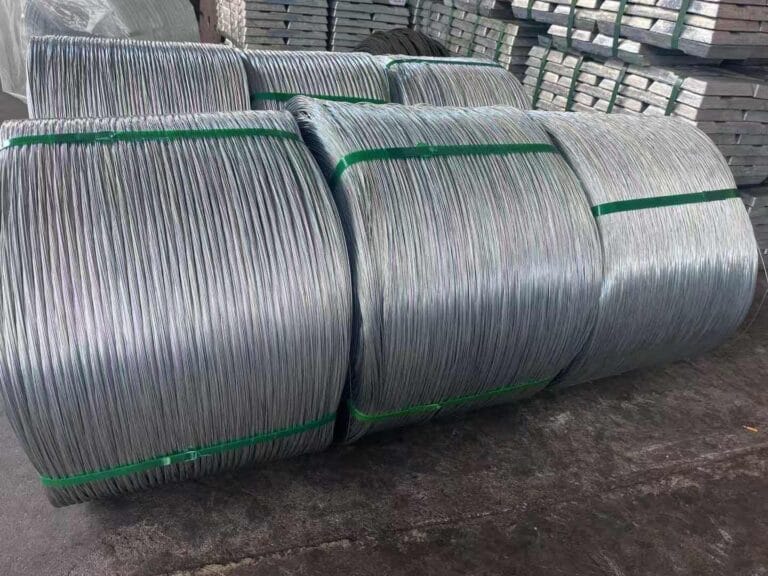
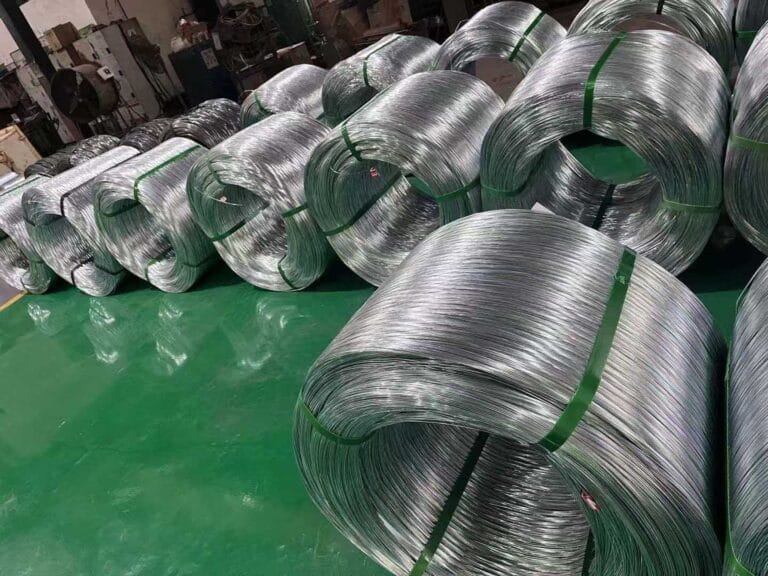
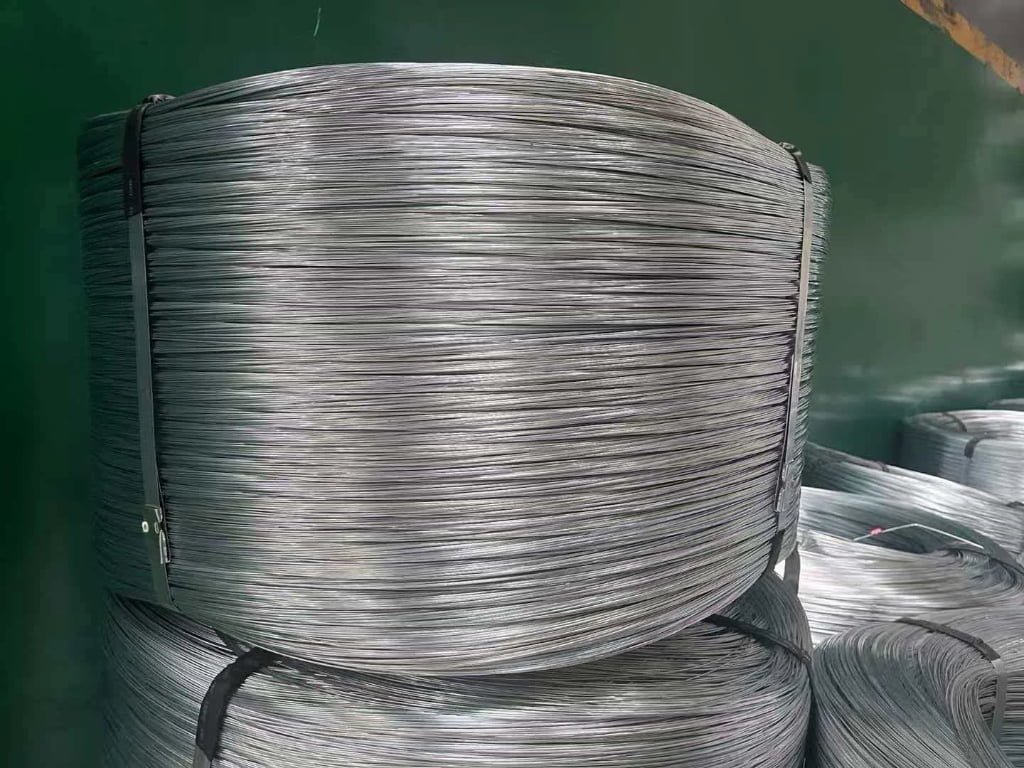
Galvanized binding wire has a zinc coating that protects against rust. Black annealed wire is heat-treated for flexibility but has no rust protection. Galvanized wire costs 10-15% more but lasts longer in humid conditions. Black annealed wire is softer and easier to twist by hand.
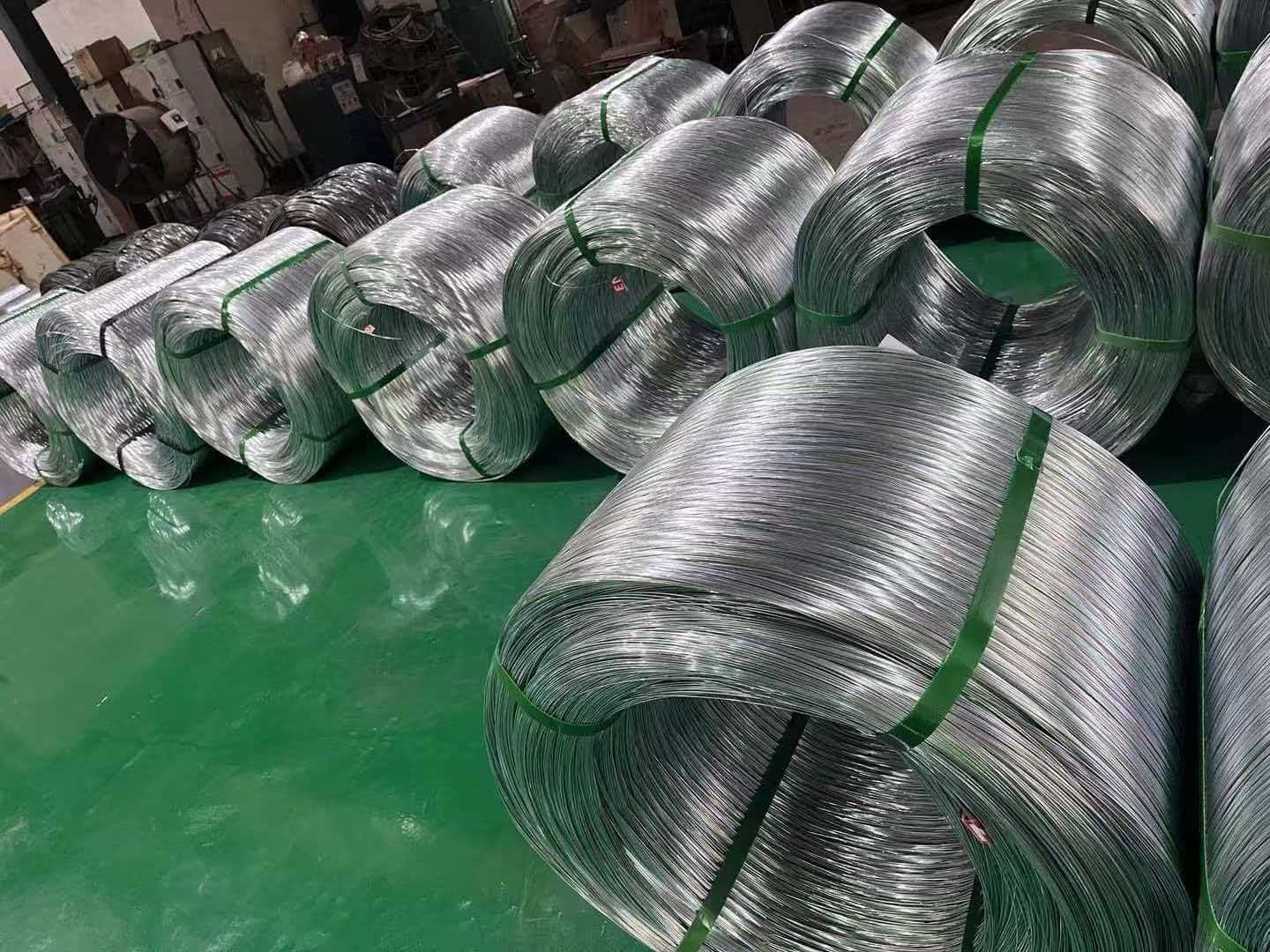
I learned about wire types from Jean, a building materials dealer in Kigali. He adjusted his inventory last year after losing several orders. Jean told me he used to stock only galvanized wire. Customers asked for what they needed, and he gave them what he had. Then he noticed two problems. The galvanized wire sitting in his warehouse turned dull after a few months. The zinc layer darkened. The wire still worked, but customers complained. Some customers specifically asked for black annealed wire, and Jean had none in stock. He lost those orders.
Jean changed his approach. Rwanda has two rainy seasons, and the humidity stays high all year. If you don't protect galvanized wire properly during storage, the outer coils oxidize. Jean now keeps only two months of galvanized wire inventory. He stocks mainly 2.0mm and 1.5mm sizes. He started stocking black annealed wire too. BWG (Birmingham Wire Gauge) 16 and BWG 18 gauges sell well to customers doing interior partitions and pipe fixing work.
His current inventory is 60% galvanized and 40% black annealed. This ratio changes with seasons. He increases galvanized wire before dry seasons and stocks more black annealed wire before rainy seasons. Jean said he hasn't lost an order since making this change.
Key Differences Between Wire Types
| Wire Type | Coating | Flexibility | Rust Resistance | Best Use | Price Range (per kg) |
|---|---|---|---|---|---|
| Galvanized | Zinc layer | Medium | High | Outdoor rebar binding, permanent structures | $0.75-0.85 |
| Black Annealed | None | High | Low | Indoor work, temporary binding, soft materials | $0.65-0.75 |
| Stainless Steel | Chromium-nickel | Low | Very High | Coastal areas, chemical exposure | $3.50-4.50 |
I rarely see stainless steel binding wire in Kigali. The price is too high for most construction projects. Some contractors use it near Lake Kivu where moisture levels are even higher. For typical building work in central Rwanda, the choice comes down to galvanized or black annealed.
The flexibility difference matters more than most people think. Black annealed wire bends easily. Workers can twist it by hand without tools. This speeds up work on interior projects where you tie many small connections. Galvanized wire needs pliers for tight binding. The zinc coating makes it stiffer. But this stiffness helps when you bind heavy rebar. The connection stays tight under load.
I made a mistake on a school project two years ago. I bought black annealed wire because it was cheaper. We used it to bind the foundation rebar. Three weeks later, rust spots appeared on every connection. The client made me replace all the wire. I spent more money fixing that problem than I would have spent buying galvanized wire from the start. Now I use galvanized wire for any concrete work that goes underground or gets exposed to rain.
How Do I Choose the Right Wire Diameter for My Project?
Wire diameter confused me when I started contracting. Suppliers in Rwanda use different measurement systems. Some quote in millimeters, others use BWG numbers. A client asks me to buy 16 gauge wire, and I need to figure out what that means in millimeters.
Match your wire diameter to your rebar size. For rebar up to 12mm diameter, use 1.2-1.5mm wire (BWG 16-18). For rebar from 16-25mm, use 1.8-2.0mm wire (BWG 14-15). Thicker rebar above 25mm needs 2.5mm wire or above (BWG 12-13). Too thin wire will break during binding, and too thick wire wastes money.
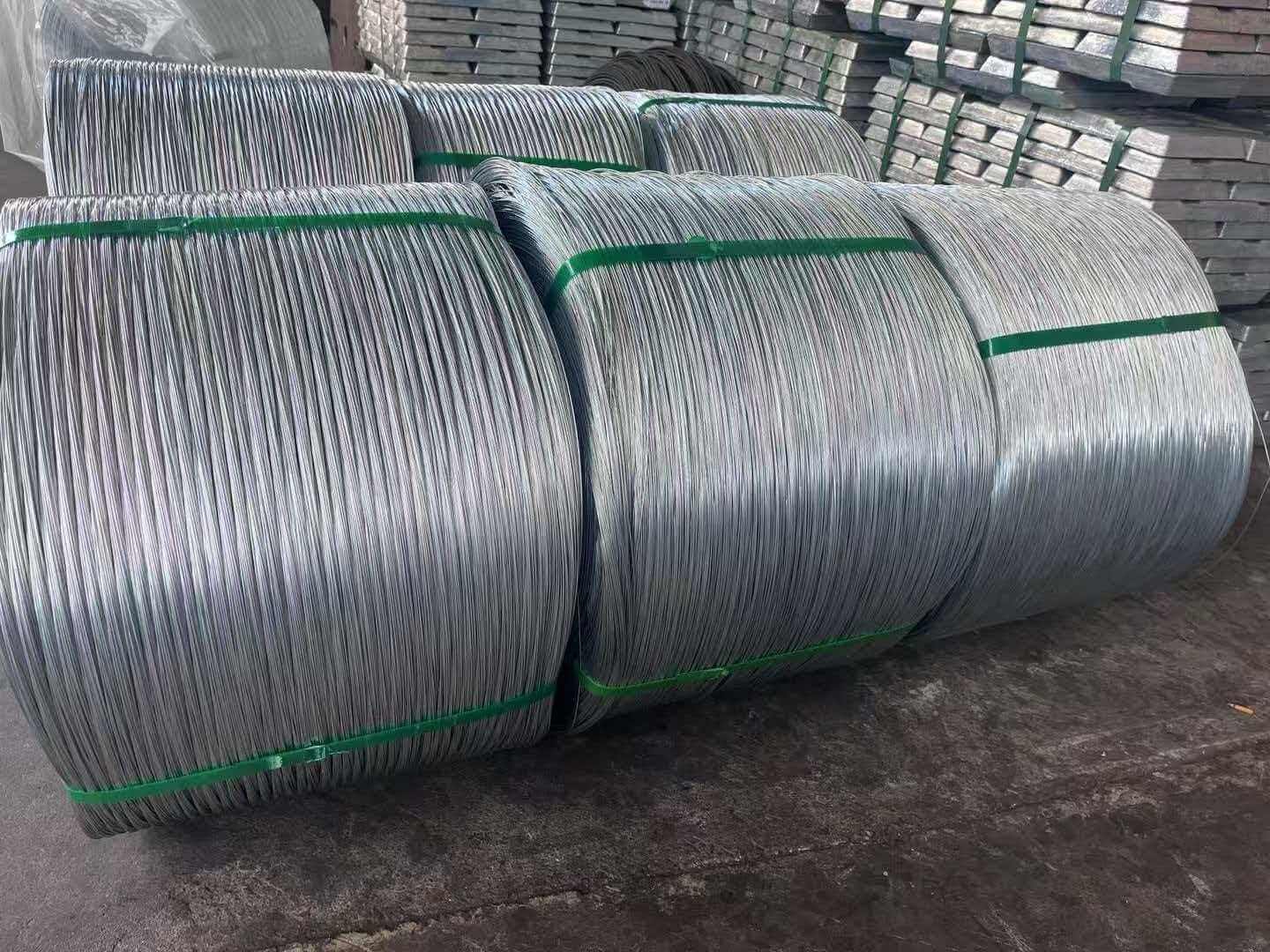
I keep a conversion chart in my phone. BWG stands for Birmingham Wire Gauge. It is an old British system that Rwanda inherited from colonial times. The numbers work backward. A higher BWG number means thinner wire. BWG 16 is thinner than BWG 14. This confuses new workers on my crew.
Most building projects in Kigali use 12mm and 16mm rebar for foundations and columns. I stock 1.6mm galvanized wire for these projects. This size works for both diameters. Some contractors buy 1.2mm wire because it costs less per kilogram. They complain when the wire breaks during binding. The workers pull too hard, and the thin wire snaps. You waste time cutting new pieces and redoing the binding.
I tested different wire diameters on a residential project last year. We had 20mm rebar for the ground floor columns. I bought both 1.6mm and 2.0mm galvanized wire. The 1.6mm wire worked, but workers needed pliers to twist it tight enough. The connection felt loose. With 2.0mm wire, the binding was quick and solid. The thicker wire didn't bend back after twisting. I now use 2.0mm wire as my standard for any rebar over 16mm diameter.
Wire Diameter Quick Reference
| Rebar Diameter | Minimum Wire Diameter | BWG Equivalent | Application |
|---|---|---|---|
| 6-10mm | 1.0-1.2mm | BWG 18-19 | Light mesh, temporary structures |
| 10-12mm | 1.2-1.5mm | BWG 16-18 | Residential slabs, small beams |
| 16-20mm | 1.6-2.0mm | BWG 14-16 | Columns, foundation, main beams |
| 25mm+ | 2.0-2.5mm | BWG 12-14 | Heavy structural work, bridges |
The wire length per kilogram also matters for project planning. Thinner wire gives you more length per kilogram. One kilogram of 1.2mm wire is about 90 meters. The same weight of 2.0mm wire is only 32 meters. I calculate how many binding points I have on the project and work backward to estimate total wire needed. This stops me from running out of wire mid-project or ordering too much.
Some suppliers sell wire in fixed lengths cut to 1 meter or 1.5 meters. Pre-cut wire saves time on site. Workers don't need to measure and cut each piece. But pre-cut wire costs about 5% more per kilogram. I buy coiled wire for large projects and pre-cut wire for small quick jobs.
What Should I Check in the Wire Quality Before Buying?
I got burned by poor quality wire three years ago. The supplier showed me samples that looked good. When the shipment arrived, the wire quality was different. Some coils had thin spots where the zinc coating was missing. Other coils had wire that varied in thickness.
Check the zinc coating thickness on galvanized wire by doing a simple scratch test. Good wire shows bright steel under a light scratch. Check diameter consistency by measuring wire at three different points on the same coil. Quality wire has less than 0.05mm variation. Ask for an MTC (Mill Test Certificate) that shows tensile strength above 350 MPa (Megapascals).
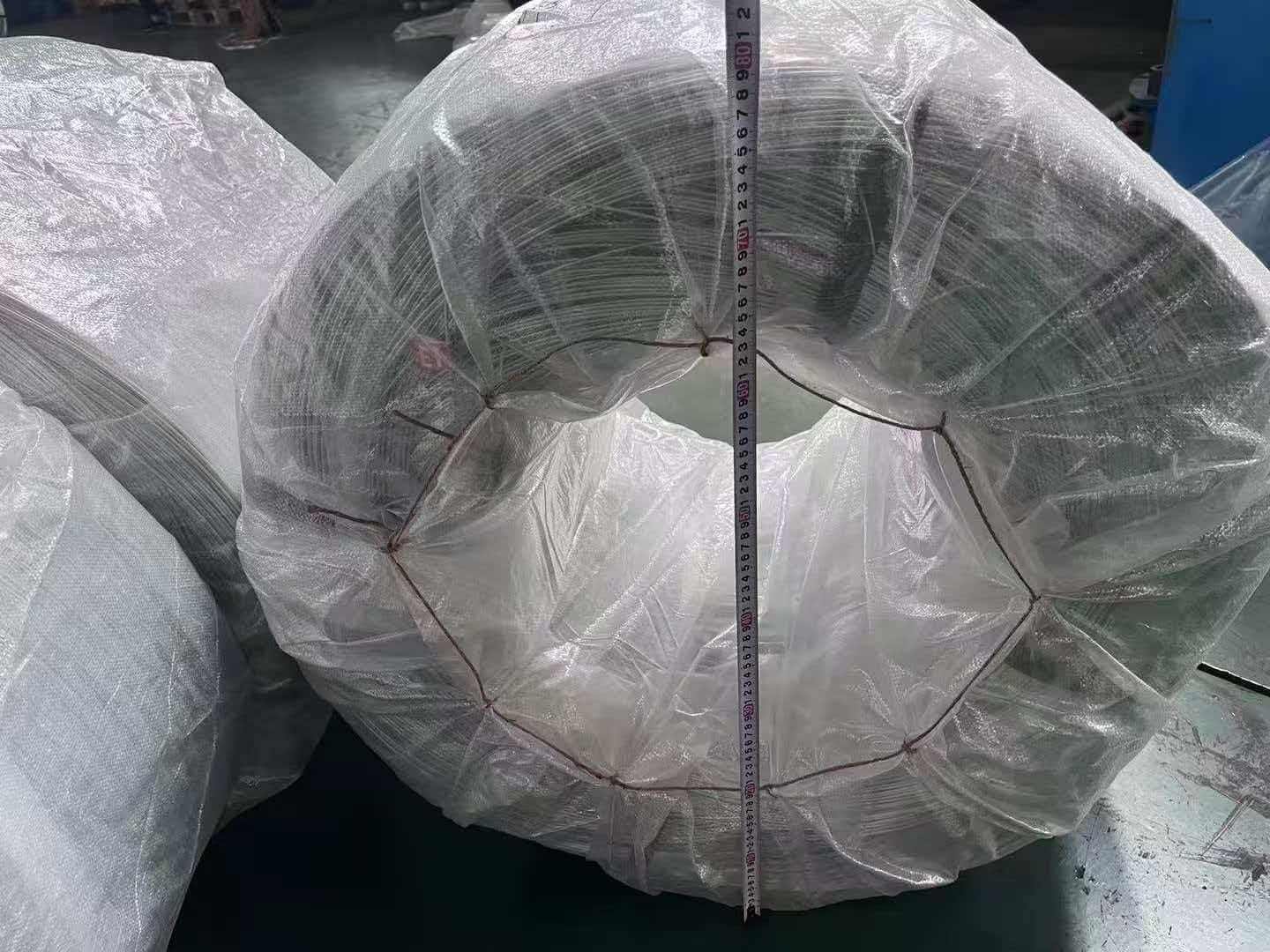
I developed a simple inspection routine after that bad experience. When the supplier delivers wire, I open three random coils from the shipment. I pull out about two meters of wire from each coil and do four quick checks.
First, I look at the wire surface. Galvanized wire should have an even, smooth coating with no bare patches. The zinc layer should look consistent from end to end. I run my hand along the wire. Good wire feels uniformly textured. Poor wire has rough spots or areas where you feel the bare steel underneath.
Second, I do a bend test. I fold the wire sharply by hand and look at the bend point. Quality wire bends without cracking. If the zinc coating flakes off at the bend, the coating is too thick or poorly bonded. If the wire breaks with a sharp bend, it was not annealed properly. Black annealed wire should bend back and forth several times before breaking.
Third, I measure the diameter with calipers at three points. I measure near the start of the coil, in the middle, and near the end. The readings should be within 0.03-0.05mm of each other. One supplier gave me wire that measured 1.6mm at one end and 1.4mm at the other. That wire broke randomly during binding because the thin sections could not handle the tension.
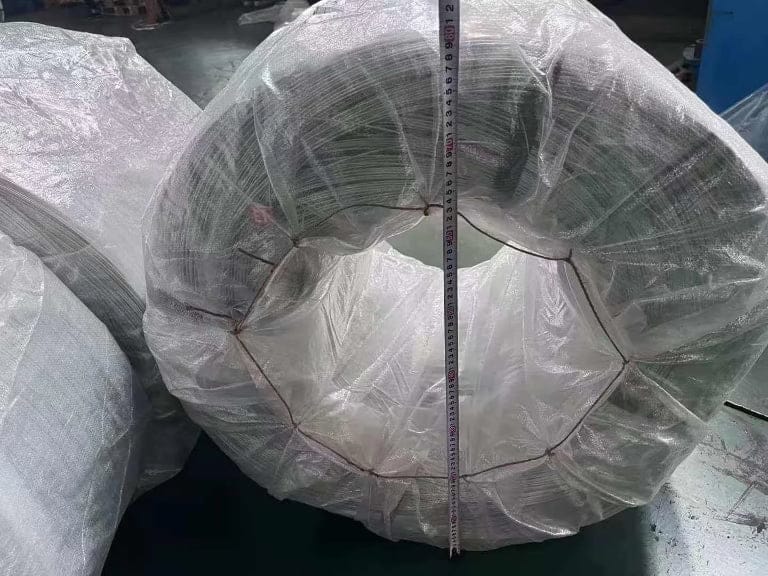
Fourth, I check the packaging. Each coil should be wrapped in plastic or waxed paper. Moisture is the enemy of steel wire in Rwanda's climate. Coils without proper wrapping rust in storage. I open the packaging and look at the inner layers of the coil. If I see rust spots on the inner wire, the packaging failed during shipping or storage.
Quality Issues I Have Seen
| Problem | How to Spot It | Impact on Site | Solution |
|---|---|---|---|
| Thin zinc coating | Bare steel visible, rough texture | Rust appears in 2-3 weeks | Reject shipment, test sample first |
| Uneven diameter | Micrometer shows >0.05mm variation | Random breakage during work | Buy from suppliers with mill certification |
| Poor packaging | Rust on inner coils, wet wrapping | Wire degrades before use | Check storage conditions, demand proper wrapping |
| Wrong temper | Wire too stiff or too soft | Hard to work with, weak binding | Test sample coil on site before bulk order |
The MTC matters more than I thought when I started. A proper certificate shows the chemical composition of the steel, the zinc coating weight in grams per square meter, and the tensile strength in megapascals. I look for tensile strength above 350 MPa for general construction work. Wire below 300 MPa breaks too easily when workers twist it tight.
Some local suppliers in Kigali cannot provide mill certificates. They buy from traders who import mixed shipments from different factories. You get what they have, and quality varies from batch to batch. I now work with suppliers who import directly from manufacturers. They charge a bit more, but I get consistent quality. The manufacturer's name and batch number are printed on the packaging. If I have a problem, I can trace it back.
I also learned to test a sample coil before placing a large order. I buy one coil, take it to my current project, and have my workers use it for a day. If they report no problems, I order the full quantity. This costs me one extra day but saves trouble later.
How Should I Store Binding Wire in Kigali's Climate?
I lost money on storage before I learned this lesson. I bought five tons of galvanized wire for a large project. The wire arrived during the dry season. I stored it in my yard under a tarp. The project got delayed by two months. By the time we started work, the rainy season had begun. When I opened the coils, white rust covered the wire. The zinc had oxidized. The wire still worked, but it looked terrible. The client complained.
Store binding wire in a dry, covered location off the ground. Stack coils on wooden pallets to allow air circulation. Keep plastic wrapping intact until you need the wire. In humid periods, add silica gel packets or charcoal in storage containers. Rotate stock using FIFO (First-In, First-Out) method. Galvanized wire stays good for 3-4 months in proper storage, black annealed wire for 1-2 months.
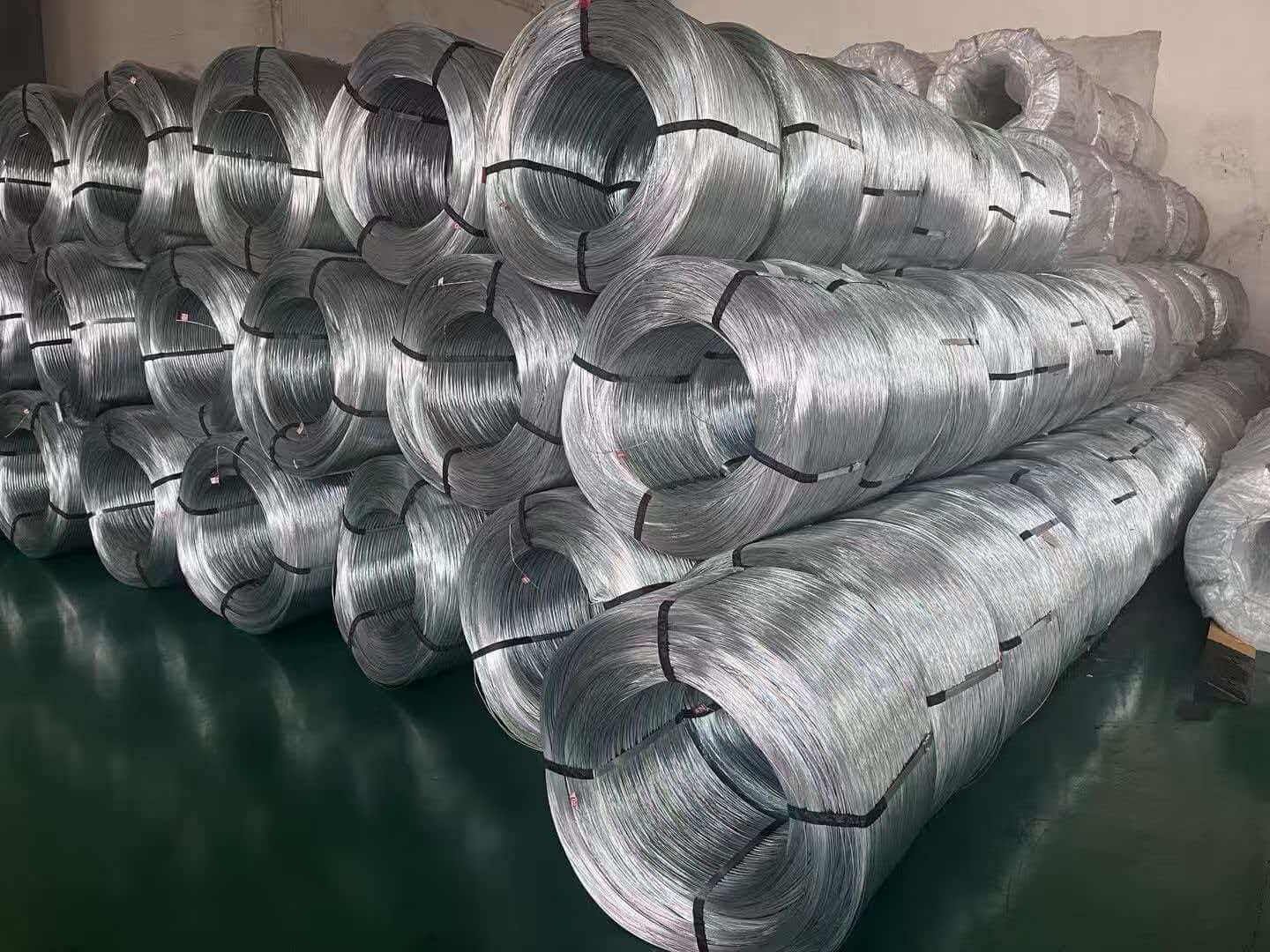
Jean's inventory system in Kigali taught me about stock rotation. He told me that galvanized wire looks stable but actually reacts to humidity over time. The zinc coating oxidizes slowly when exposed to moisture. In Rwanda's climate, this happens faster than in dry regions. Jean keeps galvanized wire for a maximum of two months now. He orders smaller quantities more frequently.
I set up a storage system in my material yard after that rust problem. I built a wooden shed with a metal roof. The shed has open sides for air circulation but keeps rain out. I line the floor with wooden pallets. Each coil sits on a pallet, and I leave space between coils. Air moves around each coil and prevents moisture buildup.
Each coil arrives wrapped in plastic. I keep this wrapping on until a worker takes the coil to the construction site. Some workers want to unwrap everything at once for easy access. I don't allow this. The plastic wrapping is the first defense against moisture. Once you remove it, the wire starts reacting to the environment.
I mark each coil with the arrival date using a permanent marker. I write the date directly on the plastic wrapping. My yard manager knows to issue older coils first. This FIFO system prevents wire from sitting too long. If a coil has been in storage for three months, I check it carefully before sending it to a job site. If I see any rust spots or dull patches, I use that wire for temporary work where appearance doesn't matter.
During heavy rain periods, I add extra protection. I place large silica gel packets between coil layers. The packets absorb moisture from the air. You can buy these packets at industrial supply stores in Kigali. Each packet works for about two weeks before you need to dry it in the sun or replace it.
Storage Best Practices Comparison
| Storage Method | Cost | Effectiveness | Best For |
|---|---|---|---|
| Open yard with tarp | Low (15,000 RWF setup) | Poor in rainy season | Short-term storage only (under 2 weeks) |
| Covered shed, ground storage | Medium (100,000 RWF build) | Fair if dry | General storage in dry season |
| Raised pallets in covered shed | Medium-high (150,000 RWF) | Good year-round | Standard storage for most contractors |
| Climate-controlled container | High (500,000 RWF plus electricity) | Excellent | Large dealers, long-term inventory |
I also learned about black annealed wire storage the hard way. Black annealed wire rusts faster than galvanized wire because it has no zinc protection. I now order black annealed wire only when I have an immediate project that needs it. I don't keep black annealed wire in inventory. If I must store it, I spray a light coat of oil on the wire. The oil film slows down oxidation. But this makes the wire slippery to handle, so workers complain.
One contractor I know uses a different approach. He buys galvanized wire in bulk and stores it long-term. He buys black annealed wire in small quantities every two weeks. His storage costs stay low because most of his inventory is galvanized wire, which stores better. The black annealed wire turns over quickly, so he doesn't face rust problems.
What Is the Real Cost Difference Between Wire Types in Rwanda?
Everyone wants to save money on materials. I hear contractors say they buy cheaper wire to increase profit margins. But I calculate total project cost, not just material cost. Cheap wire that breaks or rusts costs more than expensive wire that works reliably.
Galvanized wire costs 10-15% more than black annealed wire per kilogram in Kigali. But galvanized wire saves money on outdoor projects by eliminating rust issues and reducing rework. For a typical 4-story building using 500kg of binding wire, spending an extra 75,000 RWF on galvanized wire prevents potential rework costs of 300,000-500,000 RWF. Calculate total cost including labor time and potential rework.
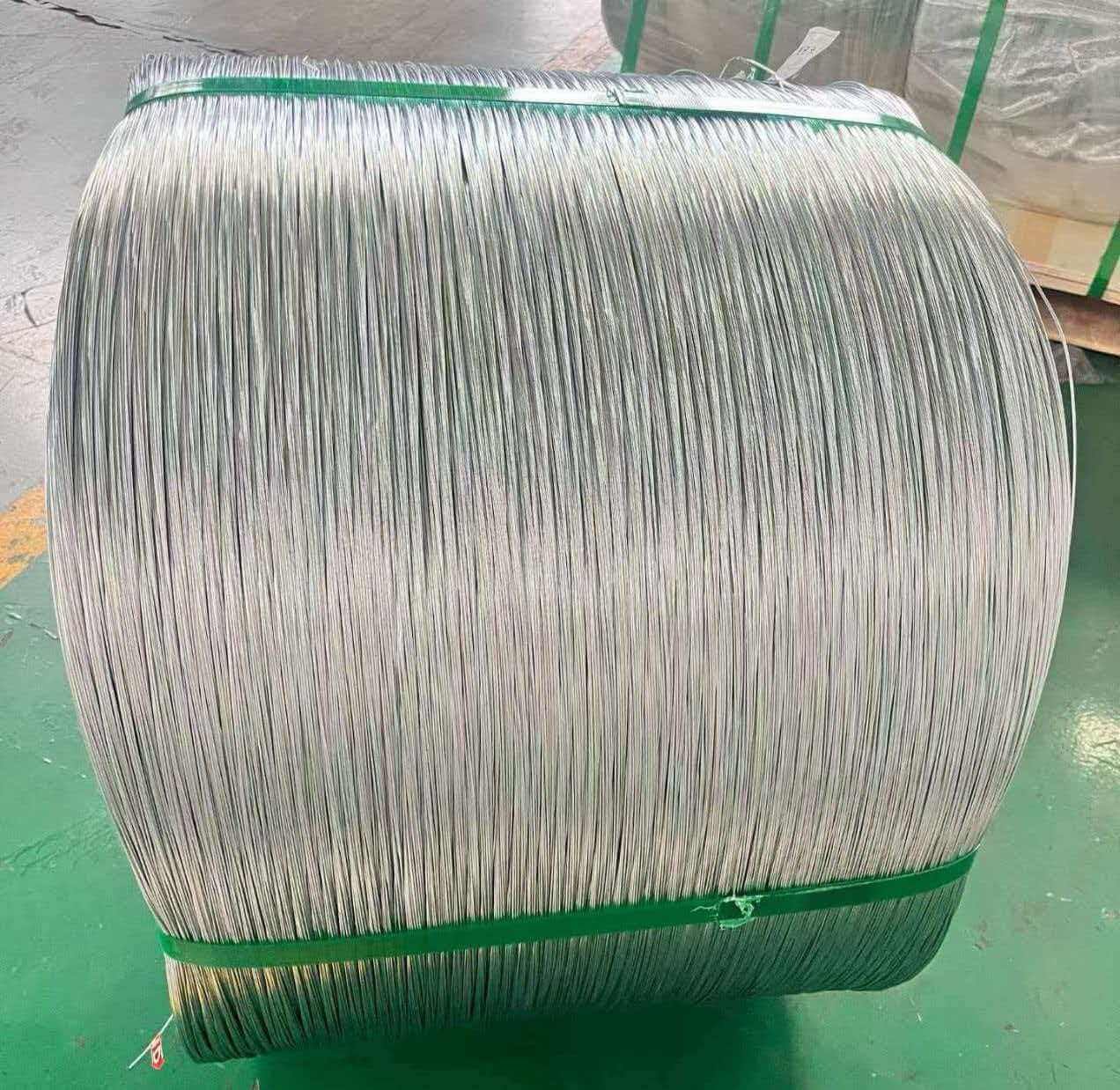
I keep a simple cost record for every project. Material cost is just one line item. I also track how many hours workers spend on binding work, how much wire gets wasted from broken ties, and how often we need to redo sections due to rust or weak binding. These hidden costs add up fast.
On a recent apartment project in Kigali, I calculated the full cost of using black annealed wire for exterior columns. The material cost was $380 for the wire. But workers spent an extra 12 hours because the wire was harder to twist tight for structural work. We wasted about 8% of the wire from broken ties. Then the client complained about surface rust on exposed binding points before plastering. We spent $150 on rust treatment chemicals and two days of labor fixing the problem. The total cost ended up higher than if I had bought galvanized wire from the start.
Total Cost Breakdown for a Typical Project (500kg Wire)
| Cost Category | All Galvanized Wire | All Black Annealed Wire | Mixed Approach |
|---|---|---|---|
| Material cost | $375 | $325 | $350 |
| Waste from breakage | $15 (4%) | $40 (12%) | $20 (6%) |
| Rust treatment | $0 | $150 | $30 |
| Extra labor | $0 | $80 | $20 |
| Total | $390 | $595 | $420 |
The mixed approach costs slightly more than using all galvanized wire, but I still prefer it. Using black annealed wire for interior work saves money where rust is not a concern. The savings on interior work offset the higher cost of galvanized wire for exterior work.
I now budget wire costs differently for different parts of the building. For foundations, columns, beams, and any exterior walls, I always use galvanized wire. For interior partitions, ceiling work, and pipe fixings, I use black annealed wire. This approach adds a bit of complexity to procurement because I need to order two types of wire. But the overall project cost stays under control, and I avoid the expensive rust problems that used to eat into my profit margins.
Conclusion
Choose binding wire based on where you will use it, not just on price. Galvanized wire protects against rust for outdoor and underground work. Black annealed wire saves money for indoor applications. Match wire diameter to your rebar size, check quality before accepting delivery, and store wire properly to prevent moisture damage. These simple rules prevent the expensive mistakes that many Rwanda contractors face.
We provide full MTC (Mill Test Certificate) and Certificate of Origin with every shipment.
We provide a full range of construction binding wire for African projects. Galvanized Iron Wire: https://mfgwiremesh.com/metal-wire/galvanized-iron-wire/ Black Annealed Iron Wire: https://mfgwiremesh.com/metal-wire/black-annealed-iron-wire/ 201 Stainless Steel Wire: https://mfgwiremesh.com/metal-wire/201-stainless-steel-wire/ Mix container loading supported.
If you are sourcing construction binding wire for Rwanda or any African market, we are happy to provide a specification-based quotation. Contact us via WhatsApp: +86 15383180672.
FAQ:
Q1: Choosing the right binding wire type for Rwanda's climate.
A1: Galvanized binding wire with minimum 40g/m² zinc coating is the right choice for structural rebar tying and any application exposed to weather before concrete pouring. Rwanda's two rainy seasons create prolonged moisture exposure. Black annealed wire has no rust protection and should be used only for indoor applications like partition walls and pipe fixing. For foundations and exterior columns, always use galvanized wire to avoid rust-related rework costs.
Q2: Matching wire diameter to rebar size for Rwanda construction projects.
A2: Use 2.0mm wire for rebar over 16mm diameter, including columns and foundation work. Use 1.6mm wire for 12-16mm rebar in slabs and beams. Use 1.2-1.5mm wire for light mesh and temporary structures. Thinner wire costs less but breaks easily during binding and under concrete vibration. Measure wire diameter with calipers at multiple points on each coil to check consistency.
Q3: Inspecting binding wire quality and storing it properly in humid conditions.
A3: Check zinc coating uniformity by visual inspection and scratch test. Measure diameter with calipers at three points per coil. Do a bend test to check flexibility. Store wire on raised pallets in covered areas, keep plastic wrapping intact, and use FIFO (First-In, First-Out) rotation. Galvanized wire stores for 3-4 months in proper conditions. Black annealed wire should be used within 1-2 months due to faster rust risk.