


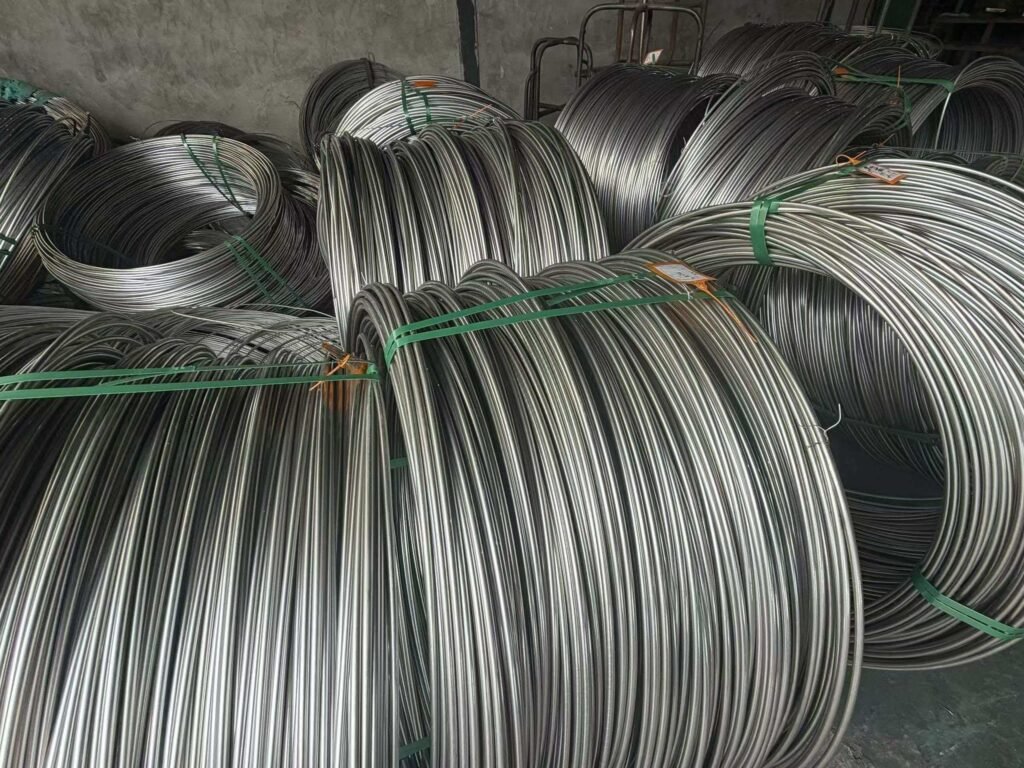
Zambia's mining sector presents a unique specification challenge for stainless steel wire buyers. The processing environment involves chemical exposure that standard construction sites never face, but upgrading entirely to 304 grade can unnecessarily double costs. Here is a practical decision framework based on a Copperbelt supplier's experience with a copper concentrator project.
Banda has been supplying building materials to Zambia's mining industry for years. Buyers like him, who need clear technical guidance on when 201 is sufficient and when 304 is genuinely required, can find detailed specifications on our product page: https://mfgwiremesh.com/metal-wire/201-stainless-steel-wire/.
Struggling to choose between 201 and 304 stainless steel wire? The wrong decision in Zambia's mining sector can be costly. This guide gives you the confidence to choose wisely.
For Zambian mining projects, use a hybrid approach. Choose cost-effective 201 stainless steel wire for general construction like rebar tying. Reserve the more expensive, corrosion-resistant 304 wire for high-risk areas with chemical exposure, such as chemical storage and tailings dam fencing.
Last month, I got a call from Banda, a building materials supplier in Kitwe. He was in a tricky situation. A copper concentrator plant project in the Copperbelt needed a large amount of tying and fencing wire. The contractor was stuck. The procurement team wanted to save money with 201 wire. The engineering team insisted on 304 wire because of the chemicals used on site. They couldn't agree, so Banda called me for advice. I told him this problem is very common in the Zambian mining industry. To solve it, you need to look beyond just the price tag or the spec sheet. You need a practical strategy.
Why Not Just Use Cheaper 201 Stainless Steel Wire Everywhere?
Your procurement team is pushing for 201 wire to save money. But the engineers are worried it won't last. Is the lower price of 201 wire worth the risk?
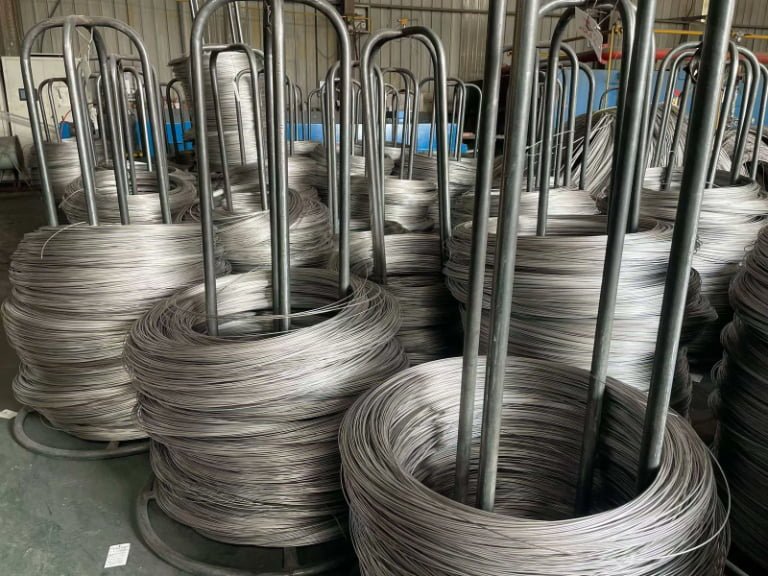
201 stainless steel wire is perfect for general construction in low-risk areas of a mine site. Its high tensile strength is great for tying rebar, and it handles Zambia's rainy season well. It's a smart way to control costs on large-volume applications.
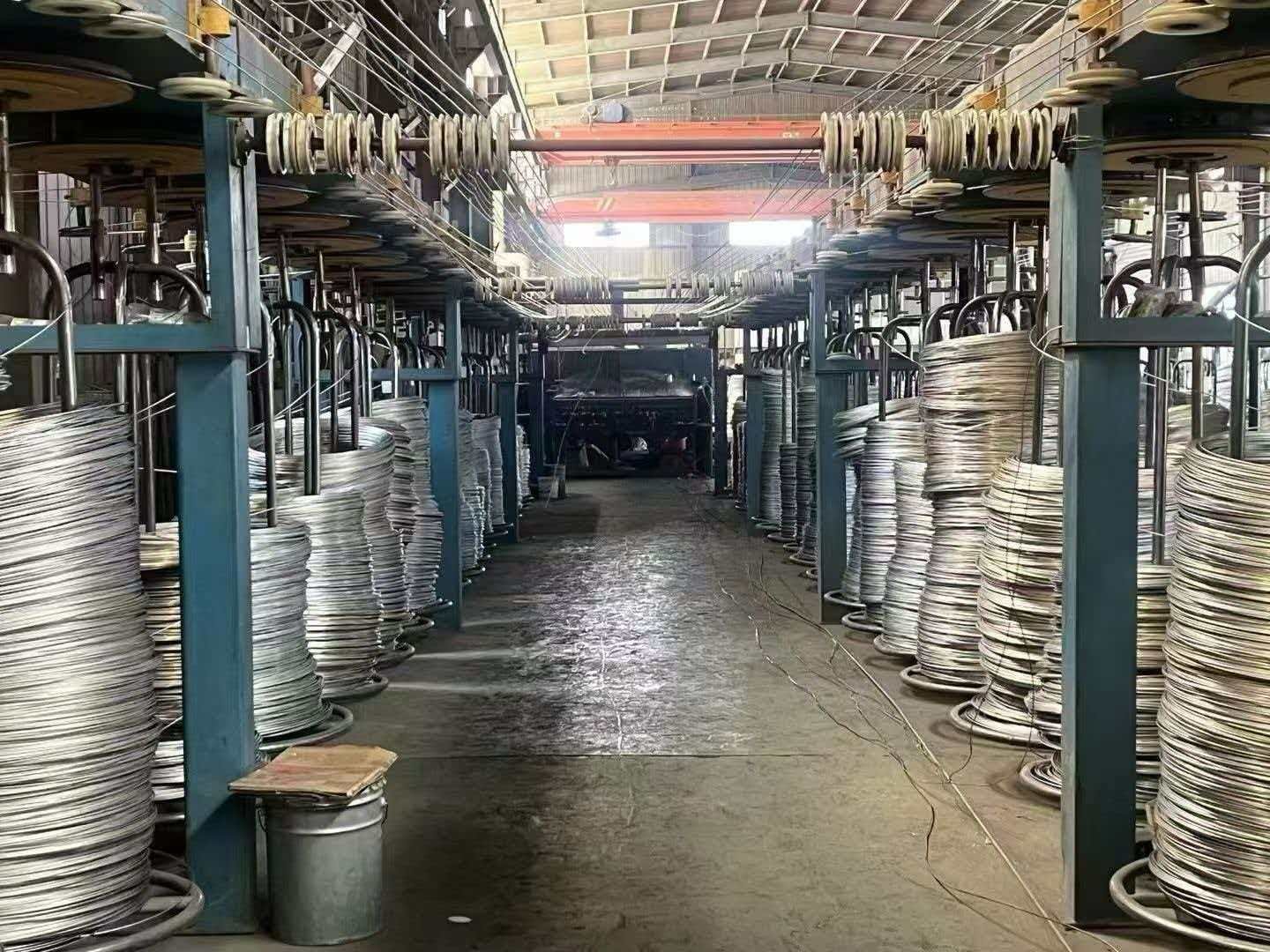
I explained to Banda that Zambia is Africa's second-largest copper producer. The mines in the Copperbelt and Northwestern Provinces are unique environments. They are not like typical construction sites. The air can contain small amounts of acidic gases from processes that use sulfuric acid and flotation agents. So, you can't just pick the cheapest material, but you also don't need the most expensive one for everything.
I told Banda to break the project down by application. For the main structures like the plant frame, warehouses, and worker dormitories, 2.0mm 201 stainless steel wire is more than enough for tying rebar. Here's why:
- Strength: 201 stainless steel wire has a tensile strength between 650 and 750 MPa. This means it is very strong and will not break when used for structural tying.
- Basic Rust Resistance: It can easily handle the corrosion from Zambia's rainy season.
- Cost: This is the biggest advantage. Using 201 wire for these large-volume applications can cut your material cost by almost half compared to using 304 wire.
It’s a waste of money to use 304 wire for tying rebar on a warehouse roof. The 201 wire does the job perfectly well and saves a significant amount on the budget.
| Feature | 201 Stainless Steel Wire | 304 Stainless Steel Wire |
|---|---|---|
| Cost | Lower | Higher |
| Corrosion | Good (for atmosphere) | Excellent (for chemicals) |
| Tensile Strength | High (650-750 MPa) | High (min. 450 MPa) |
| Best For | General construction | Chemical environments |
When Is 304 Stainless Steel Wire Absolutely Necessary?
Engineers are right to be cautious. A material failure in a critical area can be dangerous and expensive. So when does the extra cost of 304 wire become a smart investment?
304 stainless steel wire is essential in areas with direct or potential chemical exposure. Its higher nickel content provides critical resistance to acidic corrosion from chemicals common in copper processing, ensuring safety and durability where 201 wire would quickly fail.
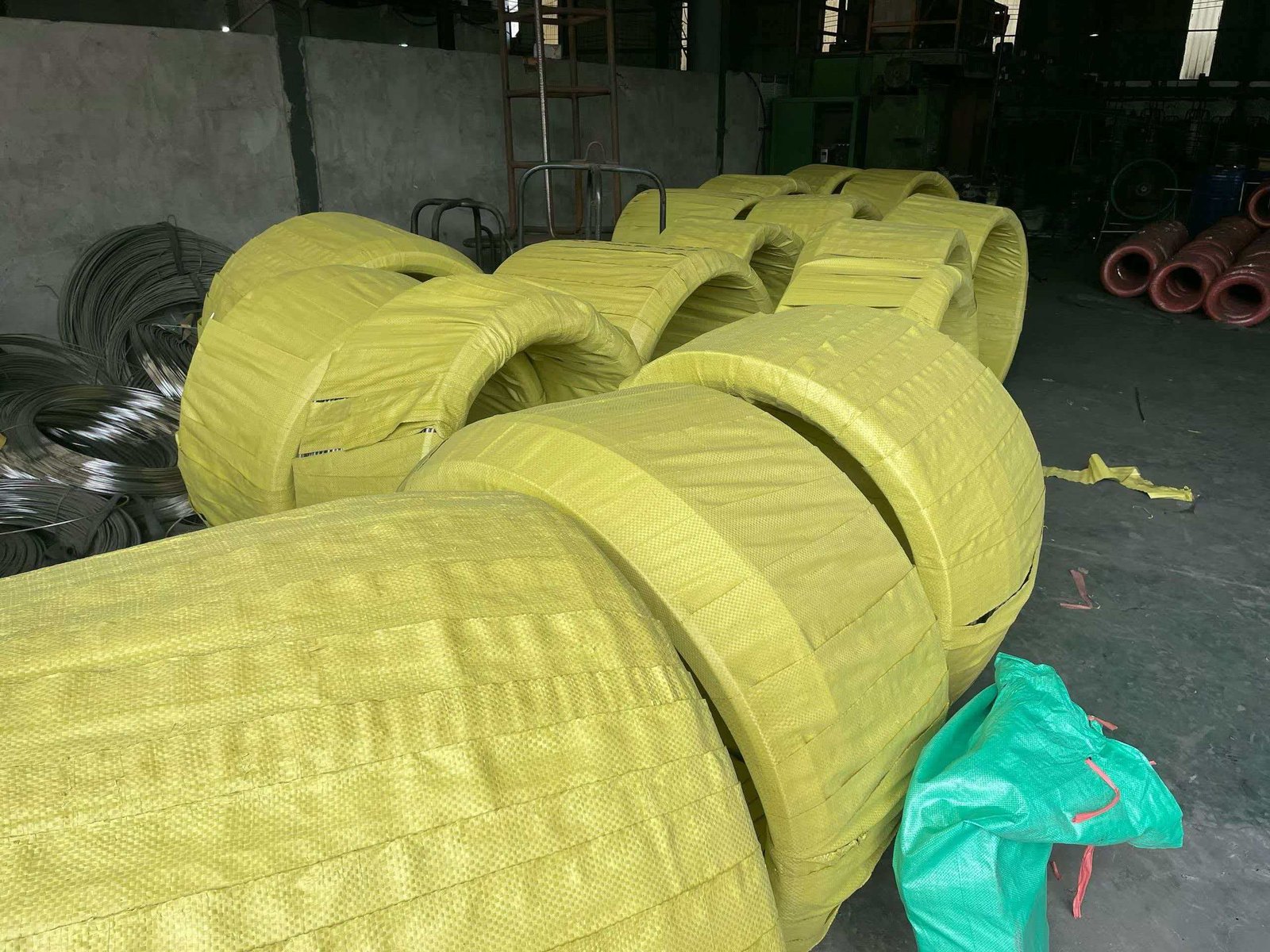
After we identified where to save money with 201 wire, I told Banda about the two critical areas where he must insist on 304 wire. In these zones, the risk of chemical exposure is high, and the superior corrosion resistance of 304 is not a luxury—it's a necessity. The main difference is the material composition. 304 stainless steel has more nickel, which makes it much better at resisting acid.
Here are the specific zones that need 304 stainless steel wire:
-
The Chemical Storage Area: The concentrator plant uses chemicals like sulfuric acid. The fencing and support fixtures around the storage tanks for these chemicals are high-risk. Spills and splashes can happen. 201 wire would corrode and fail quickly in this environment. Using 304 wire for the fences and fixtures here ensures they remain strong and secure, protecting workers and the environment.
-
The Tailings Dam Perimeter: Tailings are the leftover materials after the valuable copper is extracted. The water in the tailings pond often contains trace amounts of the chemicals used in processing. The fences around this area are constantly exposed to this environment. Using 304 wire for the perimeter fence guarantees a long service life and prevents breaches, which is a much safer and more reliable choice for the long term.
How Do I Create a Cost-Effective, Mixed-Material Procurement Plan?
You know you need both 201 and 304 wire. But how do you plan the order? How do you explain it to your team and get the best value for your project?
Start by mapping your project site. Identify low-risk general construction areas for 201 wire and high-risk chemical exposure zones for 304 wire. Calculate the quantities for each, which often results in an 80/20 split, optimizing both safety and budget.
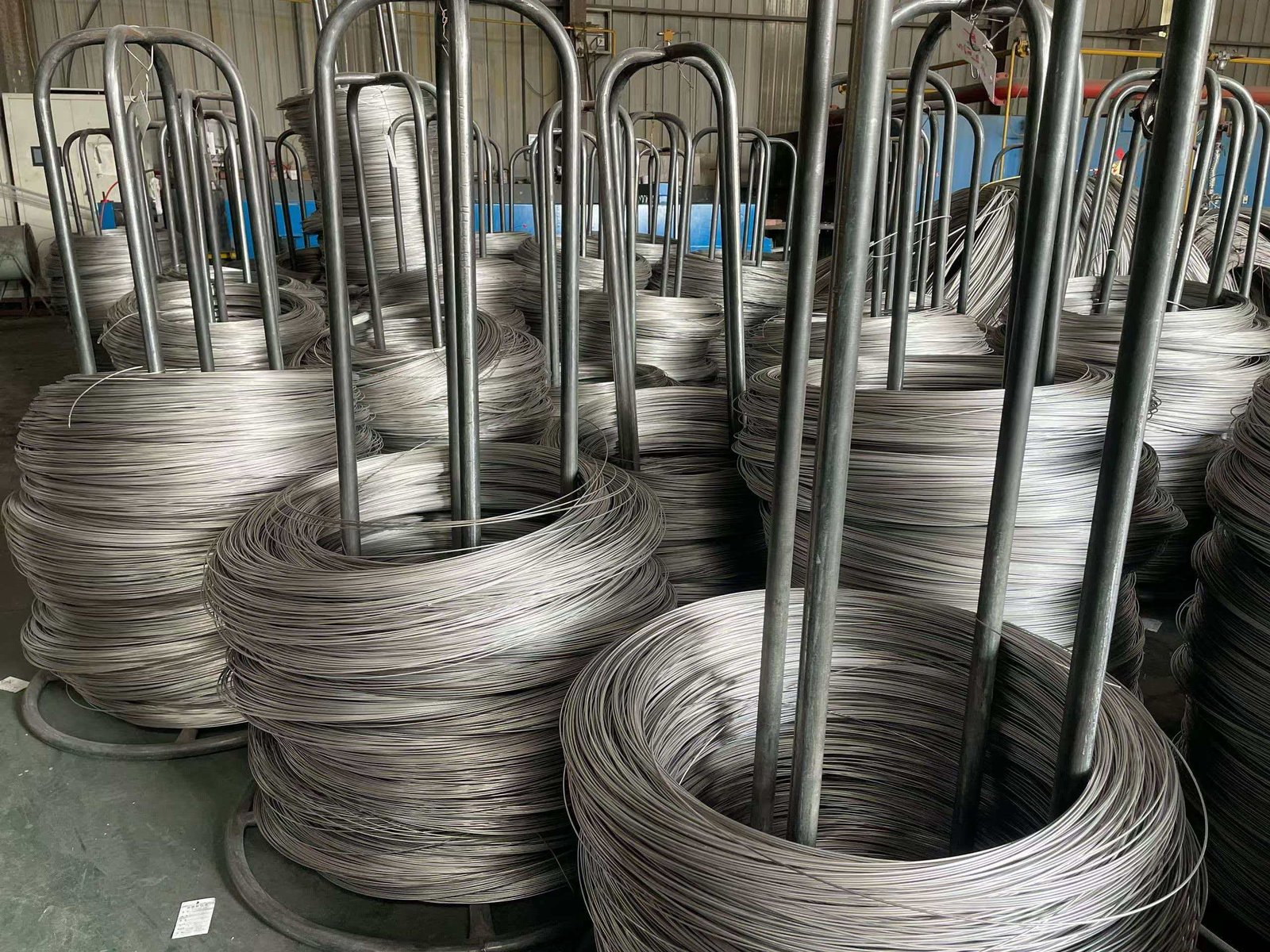
Based on my advice, Banda created a smart plan for his customer. It wasn't just about quoting prices for two different products. He provided a solution. This approach showed he understood the client's real-world problems.
This is the step-by-step process I shared with him, which you can use for your own projects:
- Audit the Site: Get a map of the entire project. Mark every location where you need tying wire or fencing. This includes buildings, storage areas, processing zones, and perimeter fences.
- Assess the Risk Level: Go through each marked location and label it as "Low Risk" or "High Risk."
- Low Risk: Areas with no direct chemical exposure. Examples: worker dormitories, warehouses, office buildings, general site fencing away from processing.
- High Risk: Areas where chemicals are stored, used, or present in the environment. Examples: chemical tank farms, flotation agent storage, the concentrator plant floor, and the tailings dam.
- Allocate Materials: Assign 201 stainless steel wire to all Low-Risk areas. Assign 304 stainless steel wire to all High-Risk areas.
- Calculate Your Order: Add up the total amount of wire needed for each category. For Banda's project, the total order was about 25 tons. The split was roughly 80% 201 wire (20 tons) and 20% 304 wire (5 tons).
The contractor loved this proposal. It showed a deep understanding of their needs. It saved them a lot of money without compromising safety in critical areas. Banda won the order, and more importantly, he won the client's trust. He told me that before, he would just say, "It depends on your budget." Now, he can explain the technical logic. That is what makes a supplier a true partner.
Conclusion
For Zambian mining projects, a smart, hybrid approach using both 201 and 304 wire is best. This balances cost, safety, and performance, making you a more valuable partner.
Banda won the contract by giving his client a clear technical rationale instead of just talking about budget. Read more Zambia market insights on our blog https://mfgwiremesh.com/blog/ or reach out via https://mfgwiremesh.com/contact/.
If you are sourcing stainless steel wire for mining projects, understanding when to specify 304 over 201 can make or break both your bid and your client's long-term satisfaction. Connect with us on LinkedIn for more technical selection resources.
If you are sourcing 201 stainless steel wire for Zambia's mining or construction sectors, we are happy to provide a specification-based quotation. Contact us via WhatsApp: +86 15383180672.
FAQ:
Q1: In Zambia's mining environments, when is 201 stainless steel wire sufficient? A1: 201 stainless steel wire is sufficient for all general structural applications in mining projects, including rebar tying for concentrator buildings, warehouse frames, and worker housing. These areas face the same conditions as standard construction sites, and 201 wire with 650 to 750 MPa tensile strength handles heavy rebar tying without rust issues. Banda's project used 201 wire for roughly 80 percent of the total volume, covering all general construction areas of the copper concentrator.
Q2: When does a Zambia mining project genuinely need 304 stainless steel wire? A2: 304 stainless steel wire should be specified for areas with direct chemical exposure risk, such as fencing and fixtures around sulfuric acid storage zones and flotation reagent areas in processing plants, as well as perimeter fencing around tailings dams where water contains trace chemicals. The higher nickel content in 304 provides enhanced acid corrosion resistance. In Banda's project, these critical zones accounted for approximately 20 percent of the total wire volume.
Q3: What is the cost difference between 201 and 304 stainless steel wire for mining projects? A3: 304 stainless steel wire costs approximately 40 to 50 percent more than 201 due to its higher nickel content. By using 201 for general construction areas and reserving 304 only for chemical exposure zones, Banda's client avoided nearly doubling the project's wire budget. The total order of about 25 tons was split roughly 80 percent 201 and 20 percent 304, achieving the right balance of safety and cost control.