


Malawi's agriculture sector, from tobacco drying racks to tea plantation fencing, is a significant consumer of metal wire. The country's long rainy season creates harsh conditions that galvanized wire simply cannot survive. Switching to 201 stainless steel wire is changing how farmers manage crop quality and perimeter security. Here are two key applications based on a Blantyre supplier's experience.
Chimwemwe has been supplying agricultural materials in Malawi for years. Buyers like him, who need agricultural-grade wire that withstands months of rain without rusting, can find detailed specifications on our product page: https://mfgwiremesh.com/metal-wire/201-stainless-steel-wire/.
Malawian farmers face crop damage and profit loss from rusting wire. This seasonal problem seems endless. But what if a simple material switch could solve this for good?
201 stainless steel wire is the ideal solution for agriculture in humid climates. It resists rust in Malawi's long rainy season, making it perfect for tobacco drying racks and tea plantation fencing. Its durability protects crop quality and prevents wildlife damage, proving more cost-effective than galvanized wire over time.
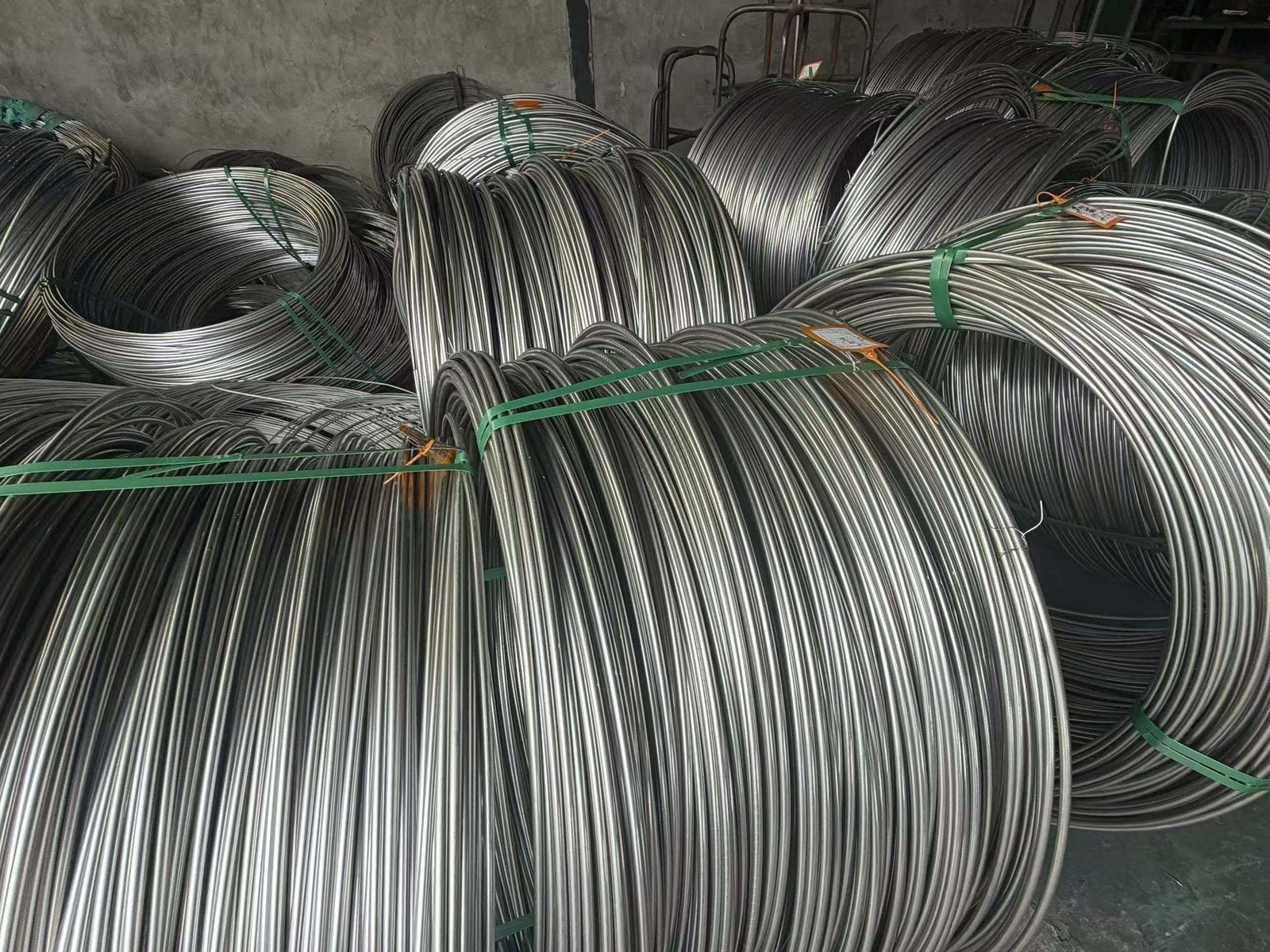
A few weeks ago, I got an email that really highlighted this issue. It was from Chimwemwe, an agricultural supplier in Blantyre, Malawi. He had two major clients with the same frustrating problem: rust. Both were using galvanized iron wire, and it just wasn't holding up in the local climate. This story shows how a small change in material can make a huge difference. Let's look at how we helped him solve his clients' problems.
Can 201 Stainless Steel Wire Protect the Value of Malawian Tobacco?
Tobacco farmers work all year for a good harvest. But rust stains from drying racks can downgrade their crop, slashing profits. There has to be a better way.
Yes, 201 stainless steel wire directly protects the value of tobacco. Its corrosion resistance prevents rust from forming and staining the leaves during the crucial drying process. This ensures the tobacco maintains its high grade and fetches a better price at auction, safeguarding the farmer's annual income.
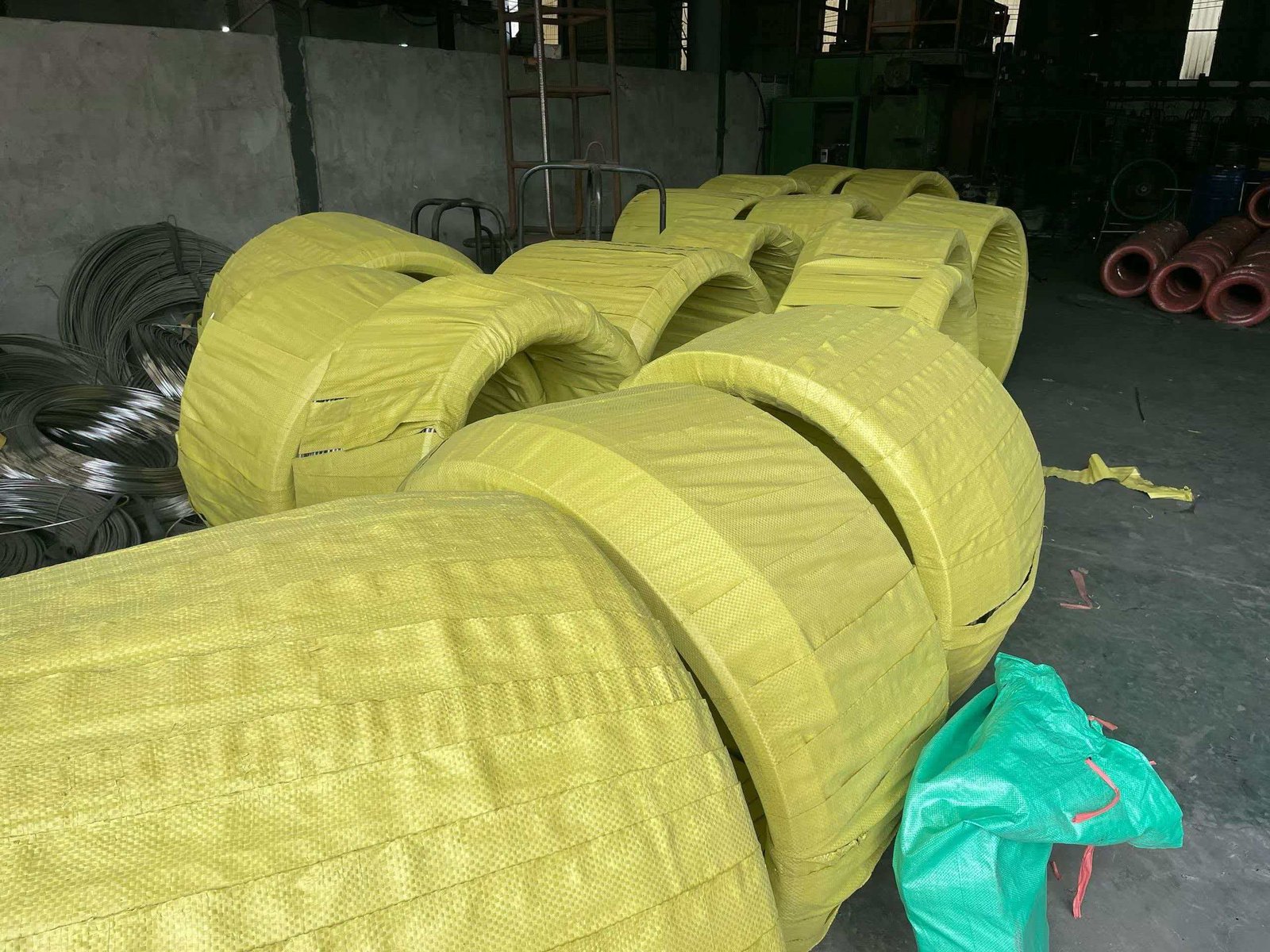
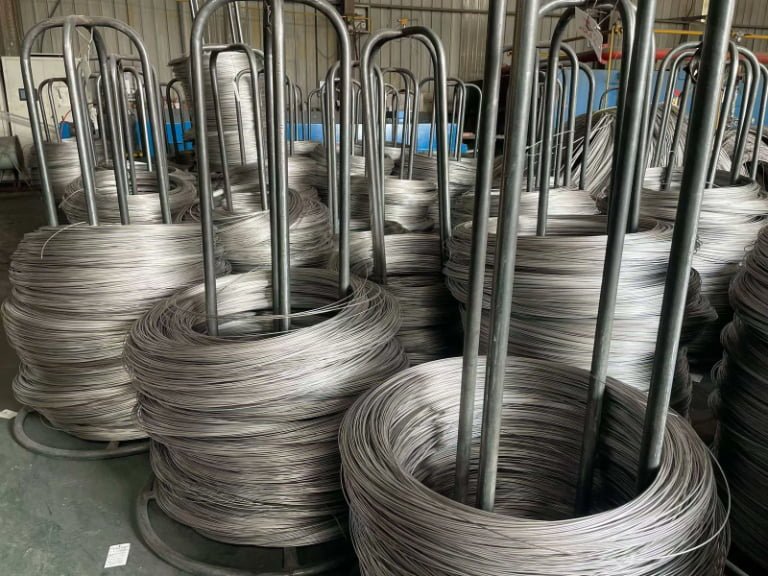
Malawi is one of Africa's biggest tobacco exporters, so the crop is vital to its economy. After harvesting, tobacco leaves are hung on racks to air dry. The wire on these racks must be strong enough to hold the weight of the leaves and clean enough not to stain them. Chimwemwe’s client, a tobacco grower, was using standard galvanized wire. The problem is that Malawi has a long rainy season, from November to April. The high humidity caused the galvanized wire to rust within a single season. When rust touches the tobacco leaves, it leaves a stain. At the auction house, these stained leaves are immediately downgraded, meaning the farmer gets a much lower price. It's a heartbreaking way to lose a year's income. The farmer had to replace the wire every year. We recommended our 1.6mm 201 stainless steel wire. After the first season, the farmer checked the wires. They were still bright and shiny, with no rust at all. His tobacco grade was preserved. He was so happy that he told Chimwemwe he plans to replace all his drying racks with our 201 stainless steel wire next year.
| Feature | Galvanized Iron Wire | 201 Stainless Steel Wire |
|---|---|---|
| Lifespan | 1 season | Multiple seasons |
| Rust Risk | High, especially in humidity | Very Low |
| Impact on Tobacco | Can stain leaves, lowering grade | No stains, preserves quality |
| Long-term Cost | High (frequent replacement) | Low (one-time investment) |
How Does 201 Stainless Steel Wire Secure Tea Plantations from Wildlife?
Your tea plantation is your livelihood. But when rusty fences fail, wild animals can invade and destroy years of growth overnight. Protecting your investment is critical.
201 stainless steel wire creates a strong, long-lasting barrier against wildlife. It does not rust or weaken in high-humidity areas like southern Malawi. This reliable fencing keeps animals out, protects tea bushes, and eliminates the annual cost of repairing rusted fences.
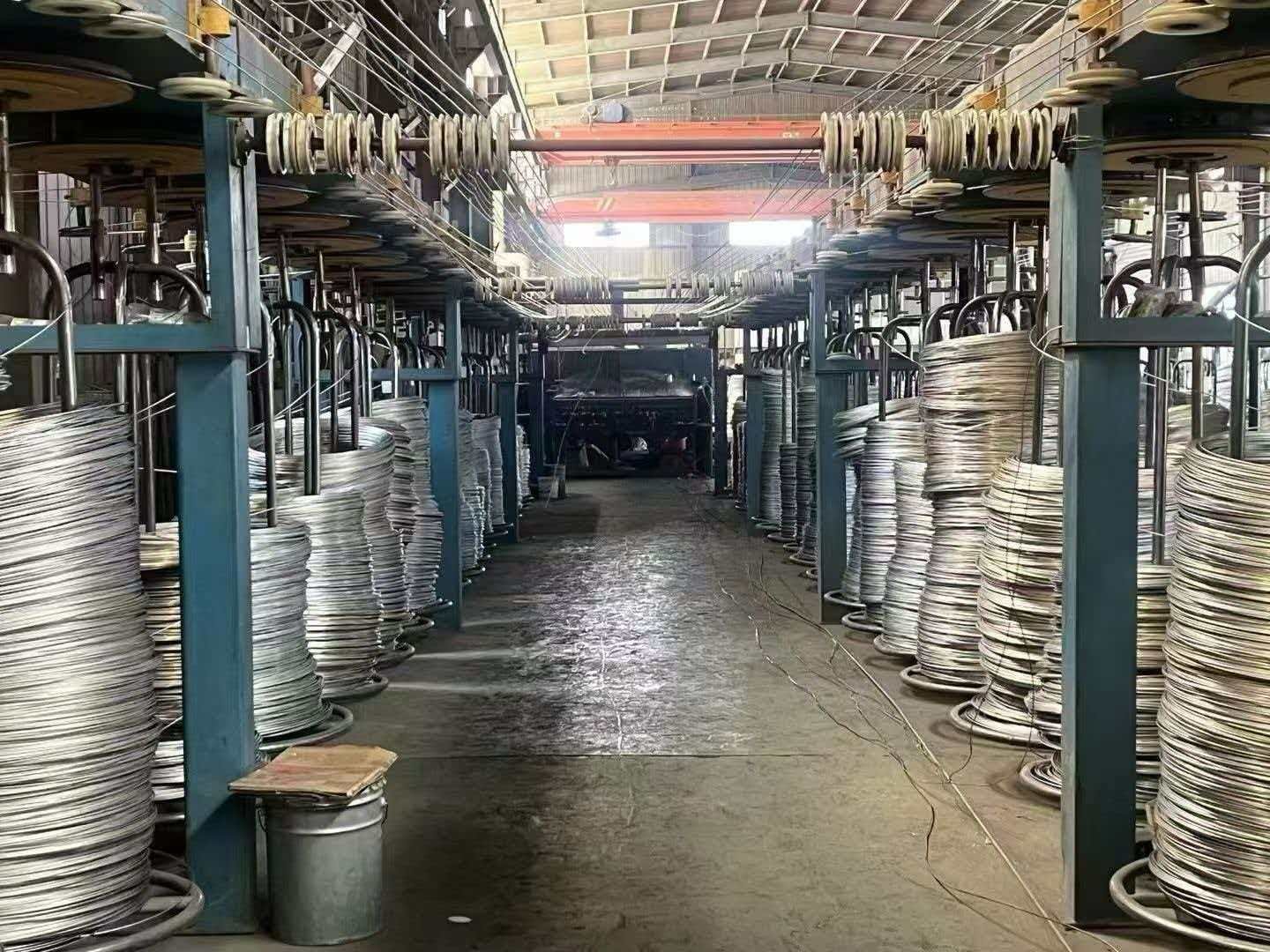
Chimwemwe's other client managed a tea plantation. Malawi's best tea grows in the southern highlands, an area known for heavy rainfall and high humidity. These conditions are great for tea but terrible for iron fences. Wildlife is also a constant threat. The client's galvanized wire fence was supposed to keep animals out, but it would rust through in just a couple of years. Wild boars would then push through the weak spots and trample rows of tea bushes. This meant lost crops and extra labor to fix the damage. It was a constant battle. Chimwemwe provided this client with our 1.5mm 201 stainless steel wire to build a new fence. Two full rainy seasons have passed since then. The tea garden manager reported that the fence is still in perfect condition. There are no holes and no rust. Best of all, no wild boars have gotten in. He told Chimwemwe that the money he used to budget for annual fence repairs was completely saved this year.
| Aspect | Galvanized Wire Fence | 201 Stainless Steel Wire Fence |
|---|---|---|
| Durability | Rusts through in 2-3 years | Lasts for many years |
| Security | Becomes weak and easily breached | Maintains strength and integrity |
| Maintenance | Requires annual repairs/replacement | Minimal to no maintenance |
| Protection | Unreliable against wildlife | Provides consistent protection |
Conclusion
For Malawi's farms, 201 stainless steel wire is not a cost, but an investment. It protects profits by outlasting rust and proving cheaper than galvanized wire in the long run.
Chimwemwe plans to make 201 stainless steel wire his primary recommendation for agricultural clients next year. Read more African agriculture supply stories on our blog https://mfgwiremesh.com/blog/ or reach out via https://mfgwiremesh.com/contact/.
If you are sourcing 201 stainless steel wire for agricultural or construction use in Malawi or any Southern African market, we are happy to provide a specification-based quotation. Contact us via WhatsApp: +86 15383180672.
FAQ:
Q1: What specification of 201 stainless steel wire is best for tobacco drying racks? A1: 1.6 millimeter diameter is the recommended specification for tobacco drying racks in Malawi. It provides the tensile strength needed to support the weight of hanging tobacco bunches while maintaining a clean, rust-free surface throughout the drying process. Chimwemwe's client tested this specification for one full growing season. The wire showed zero rust after removal, and the tobacco leaf quality was preserved, avoiding the auction price downgrades previously caused by rust stains from galvanized wire.
Q2: How does 201 stainless steel wire perform as tea plantation fencing in high-rainfall areas? A2: Malawi's tea-growing regions in the southern highlands experience heavy rainfall and constant humidity. Galvanized fencing typically rusts through within two to three years in these conditions, allowing wild animals to breach the perimeter. Chimwemwe's tea plantation client switched to 1.5 millimeter 201 stainless steel wire fencing, and after two full rainy seasons, the wire surface remained intact with no holes or weak points. The plantation manager reported that the annual fence repair budget was completely eliminated.
Q3: Is 201 stainless steel wire cost-effective for Malawian farmers compared to galvanized wire? A3: The initial purchase price of 201 stainless steel wire is higher than galvanized wire, but the full-cycle cost comparison favors 201 for two reasons. First, galvanized wire requires replacement every season for tobacco racks and every two to three years for fencing, while 201 wire lasts multiple seasons. Second, rust damage to crop quality causes direct revenue loss—tobacco leaf downgrades at auction can cost farmers far more than the price difference in wire. Chimwemwe now positions 201 wire as the cost-effective long-term choice for his agricultural clients.