


Tanzania's construction market is undergoing a quiet but decisive shift in material standards. The contractor who once asked for the cheapest galvanized wire now asks for 201 stainless steel by name. Three factors have converged to make this change permanent. Here is what a Dar es Salaam wholesaler with ten years of import experience is seeing.
Juma has watched his customer base switch from price-first to quality-first over the past several years. Buyers like him, who need consistent 201 stainless steel wire supply to match Tanzania's evolving market demands, can find detailed specifications and ready stock information on our product page: https://mfgwiremesh.com/metal-wire/201-stainless-steel-wire/.
I met Juma at his warehouse in Dar es Salaam last month. He runs a building materials import business. He told me something changed in his order books. Seven out of ten contractors now ask for 201 stainless steel wire directly. They don't even ask about prices. This wasn't the case before. I wanted to understand why this shift happened and what it means for contractors in Tanzania's construction market.
In Tanzania's construction market, 201 stainless steel wire has become the preferred choice over galvanized wire because large infrastructure projects demand better materials, the rainy season exposes galvanized wire's rust problems, and contractors now understand that 201 wire's 30% price premium delivers five times longer service life and eliminates costly material failures.
Juma has been importing wire products for ten years. He knows Tanzania's market rhythm. When he explained the three factors behind this change, I realized we're watching a fundamental shift in how contractors think about materials.
What Made Large Infrastructure Projects Force Material Standards Higher?
I asked Juma about the big projects he mentioned. He pulled out several tender documents from his desk. These documents tell a clear story.
The standard gauge railway from Dar es Salaam to Morogoro requires "stainless steel binding wire" in the specifications. The new government complex in Dodoma has the same requirement. The coastal port expansion project uses identical language. I noticed something important in these documents. They don't list galvanized wire as an option at all.
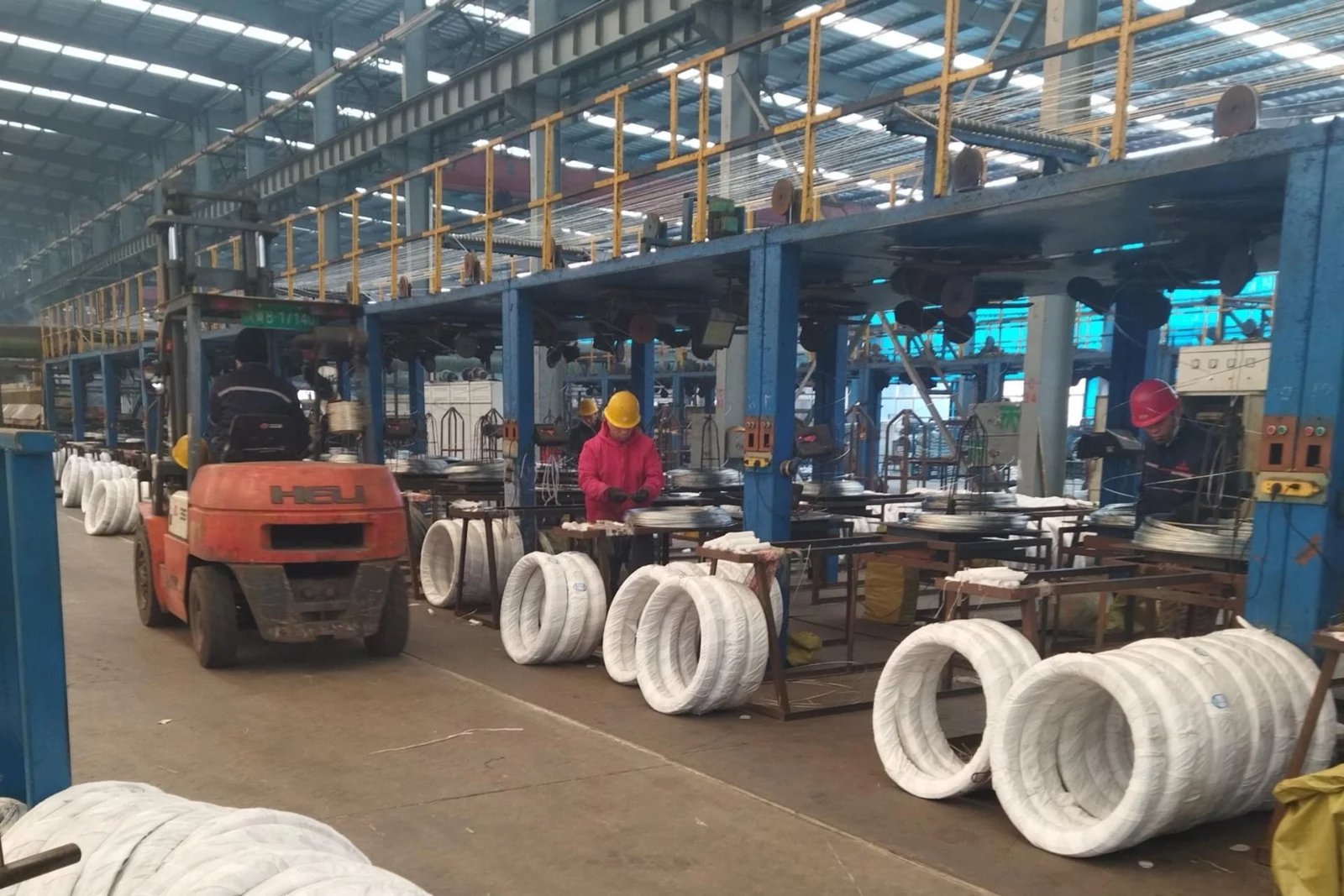
Juma told me he now submits quotations with 201 stainless steel wire for these projects. He doesn't need to explain why galvanized wire isn't suitable. The specifications already decided that question. This represents a major change from five years ago when galvanized wire dominated the market.
I dug deeper into why these projects set such standards. The answer connects to three factors. First, these projects expect fifty-year service lives. Second, international funding sources apply strict quality standards. Third, maintenance costs over decades must stay low. Galvanized wire fails on all three counts.
The impact spreads beyond large projects. I talked to three medium-sized contractors in Dar es Salaam. They all told me the same thing. Once they used 201 wire on government projects, they started using it on private commercial buildings too. The performance difference changed their thinking about what "standard quality" means.
Here's what the material cost comparison looks like across different wire types:
| Wire Type | Price per Ton (USD) | Rust Resistance (Months) | Tensile Strength (MPa) | Typical Use Case |
|---|---|---|---|---|
| Galvanized Wire | 800-900 | 6-12 | 350-450 | Temporary construction |
| 201 Stainless Steel | 1,100-1,300 | 36-60 | 520-680 | Standard binding work |
| 304 Stainless Steel | 2,400-2,800 | 120+ | 520-750 | Coastal/chemical environment |
The data shows why contractors made the switch. For an extra 300 USD per ton, they get three times longer service life and forty percent higher strength. The math works even better when you factor in labor costs for replacing failed wire.
Why Does Tanzania's Rainy Season Expose Galvanized Wire's Fatal Weakness?
Juma walked me through his old warehouse records. He showed me return logs from three years ago. The pattern jumped out immediately. During rainy seasons, galvanized wire return rates hit forty percent. The problem wasn't defects. The problem was rust.
Tanzania has two main rainy seasons. The long rains run from March to May. The short rains come from October to December. In Dar es Salaam, humidity stays above seventy percent during these months. Near Lake Mwanza, moisture levels climb even higher. I saw what this does to galvanized wire myself.
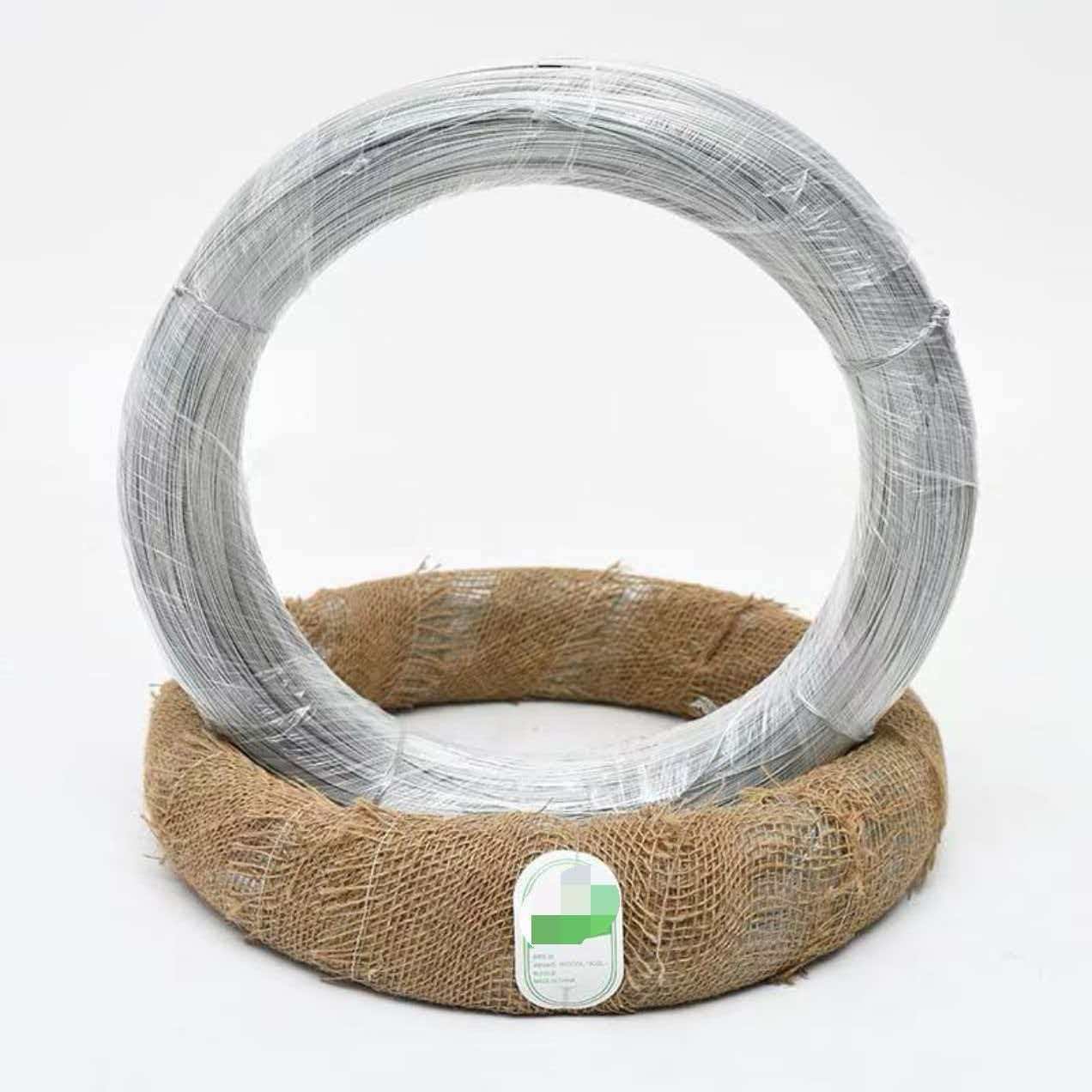
Juma opened a sample box of old galvanized wire that sat through one rainy season. White rust covered the entire surface. The zinc coating had reacted with moisture. Once that coating fails, the iron core rusts fast. Contractors who bought this wire before the rains couldn't use it after. They had to return it or take a total loss.
I asked Juma about storage solutions. He tried everything. He wrapped wire coils in plastic. He used desiccant packs. He rented climate-controlled space. Nothing worked well enough. The costs of proper storage exceeded the price difference between galvanized and stainless steel wire. That's when he made his decision to stop stocking galvanized wire entirely.
The field performance tells an even clearer story. I visited a construction site near the coast. The site manager showed me binding wire on concrete reinforcement bars. The galvanized wire had been in place for six months. It showed visible rust spots. The 201 stainless steel wire installed at the same time looked unchanged. He told me he learned this lesson the expensive way on a previous project where galvanized wire failed before concrete pouring was complete.
This isn't just about appearance. Rusted binding wire loses tensile strength. If wire breaks during concrete pouring, the rebar cage can shift. This creates structural weakness in the finished concrete. Repair costs and schedule delays add up fast. Smart contractors realized they were saving money in the wrong place.
How Did Contractors' Price Perception of 201 Stainless Steel Wire Change?
I remember when I first started working with wire mesh products. Stainless steel felt like premium material that most projects couldn't afford. The perception in Tanzania's market was similar until recently. Juma explained how this mindset shifted.
The key breakthrough came from understanding the three-tier pricing structure. At the top sits 304 stainless steel wire, priced around 2,400-2,800 USD per ton. This grade remains too expensive for most standard construction work. At the bottom sits galvanized wire at 800-900 USD per ton. It looks affordable until you account for its problems.
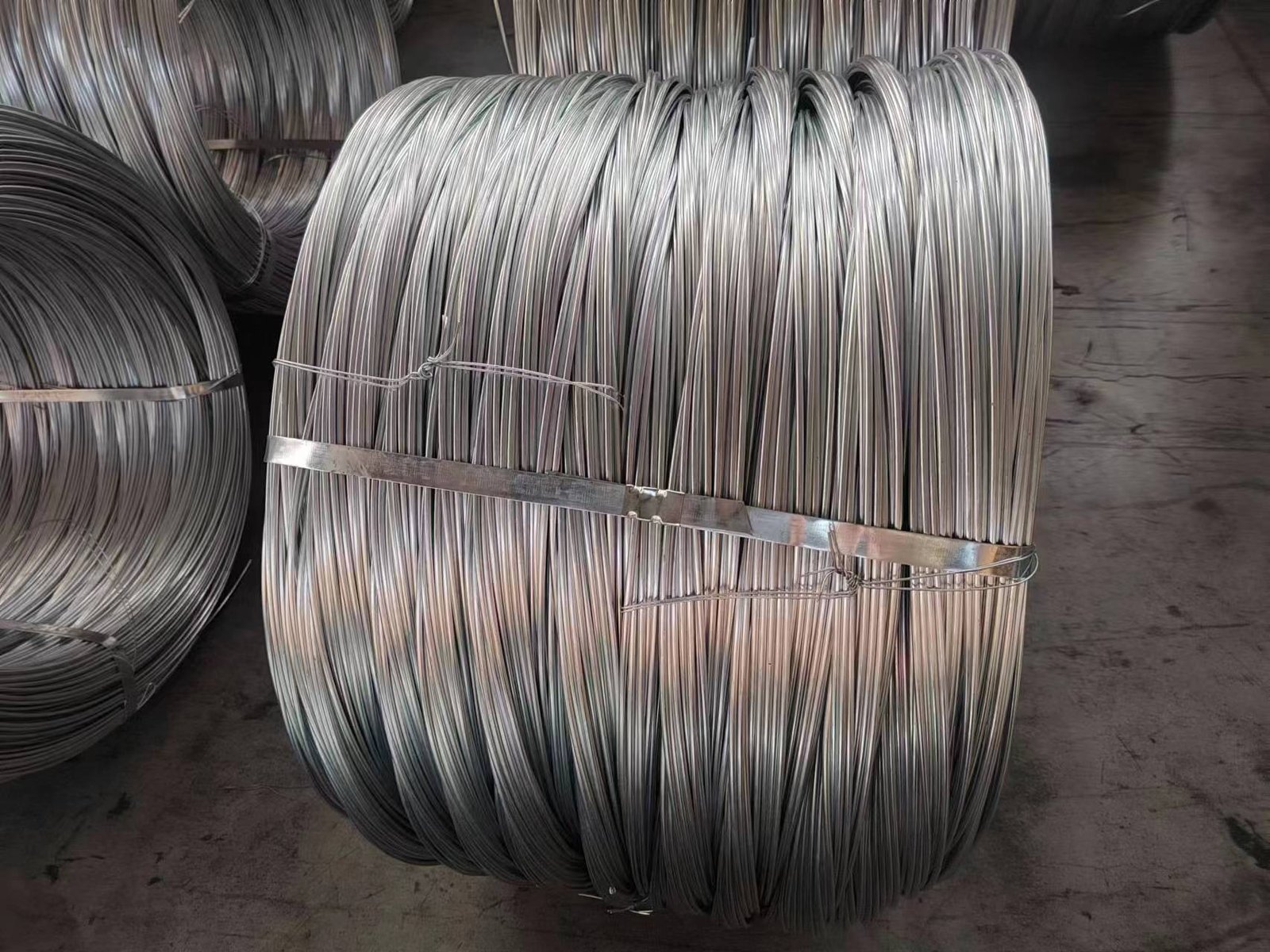
Then 201 stainless steel wire entered the picture at 1,100-1,300 USD per ton. This pricing changes everything. The premium over galvanized wire is only about thirty percent. That sounds manageable when you compare service lives. Galvanized wire might last six to twelve months in Tanzania's climate. The same 201 wire lasts thirty-six to sixty months. We're talking about five times longer performance for a thirty percent price increase.
I worked through the total cost calculation with three contractors. Here's what the numbers showed for a typical medium-sized building project:
Galvanized Wire Scenario:
- Initial purchase: 3 tons at 850 USD = 2,550 USD
- Replacement after 12 months: 3 tons at 850 USD = 2,550 USD
- Labor for replacement: 800 USD
- Total cost over 24 months: 5,900 USD
201 Stainless Steel Wire Scenario:
- Initial purchase: 3 tons at 1,200 USD = 3,600 USD
- No replacement needed
- Total cost over 24 months: 3,600 USD
The cost savings reach 2,300 USD over just two years. This assumes only one replacement cycle for galvanized wire. In reality, coastal projects might need two or three replacements in the same period.
Market education played a big role in changing perceptions. Juma and other importers started providing these cost comparisons to contractors. They showed real project data. They connected contractors with peers who had made the switch. Word spread through professional networks. Once a few major contractors publicly endorsed 201 wire, the tipping point arrived.
I also noticed that the improved reliability reduced stress for project managers. One contractor told me he used to worry constantly about wire quality during rainy seasons. He kept emergency stock. He built buffer time into schedules for potential wire replacement. With 201 stainless steel wire, these concerns disappeared. The mental relief and simplified planning have value beyond the direct cost savings.
What Does Juma's Current Inventory Strategy Tell Us About Market Direction?
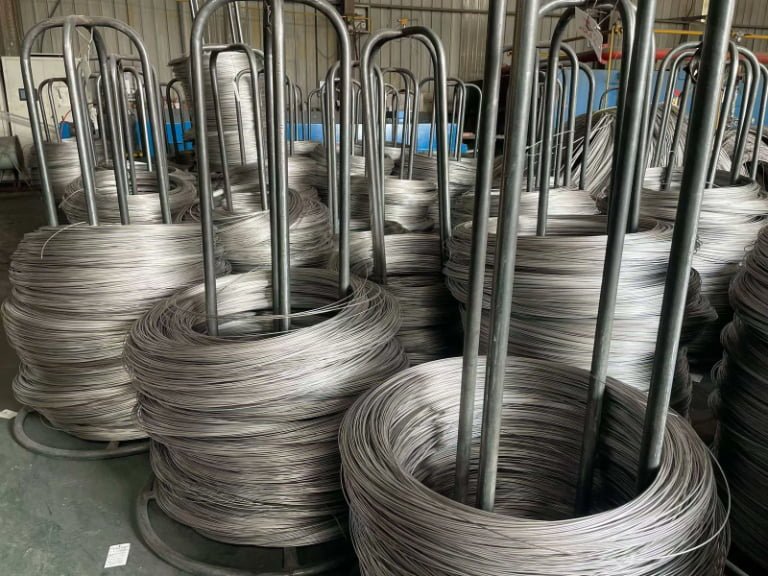
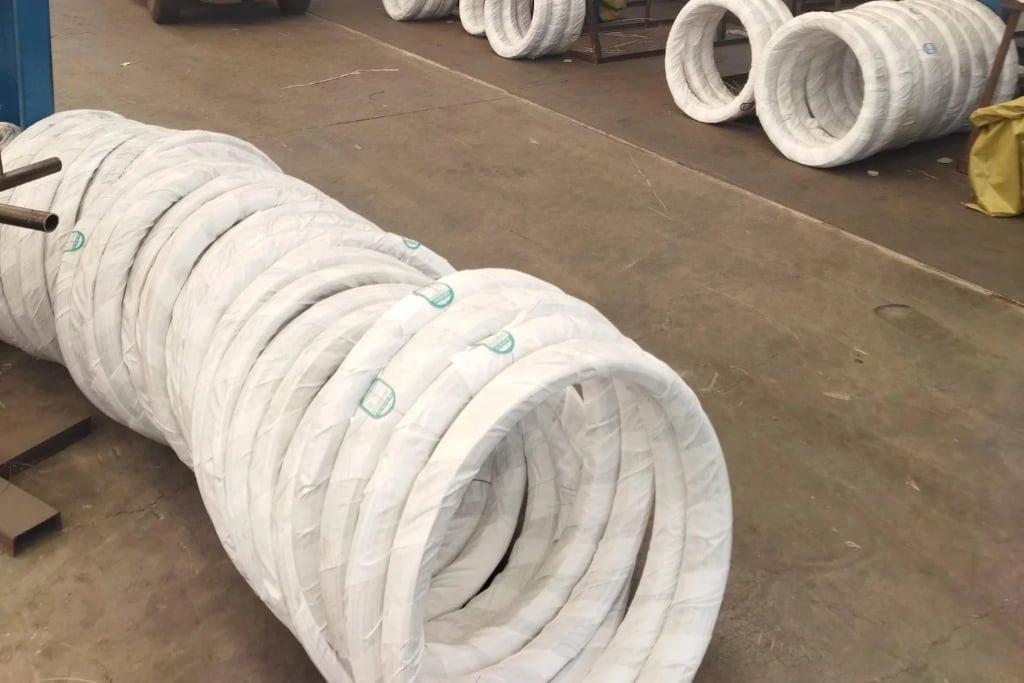
Juma now ships two containers of 201 stainless steel wire every quarter. Each container holds about fifteen tons. Half of each shipment consists of 2.0mm diameter wire. The other half is 1.5mm wire. These two sizes cover ninety percent of his contractors' needs.
I asked about galvanized wire. He keeps almost none in stock. If an old customer insists on cheaper material for temporary work, Juma buys small quantities from local agents. He refuses to commit warehouse space to a declining product. This inventory decision reveals his confidence about market direction.
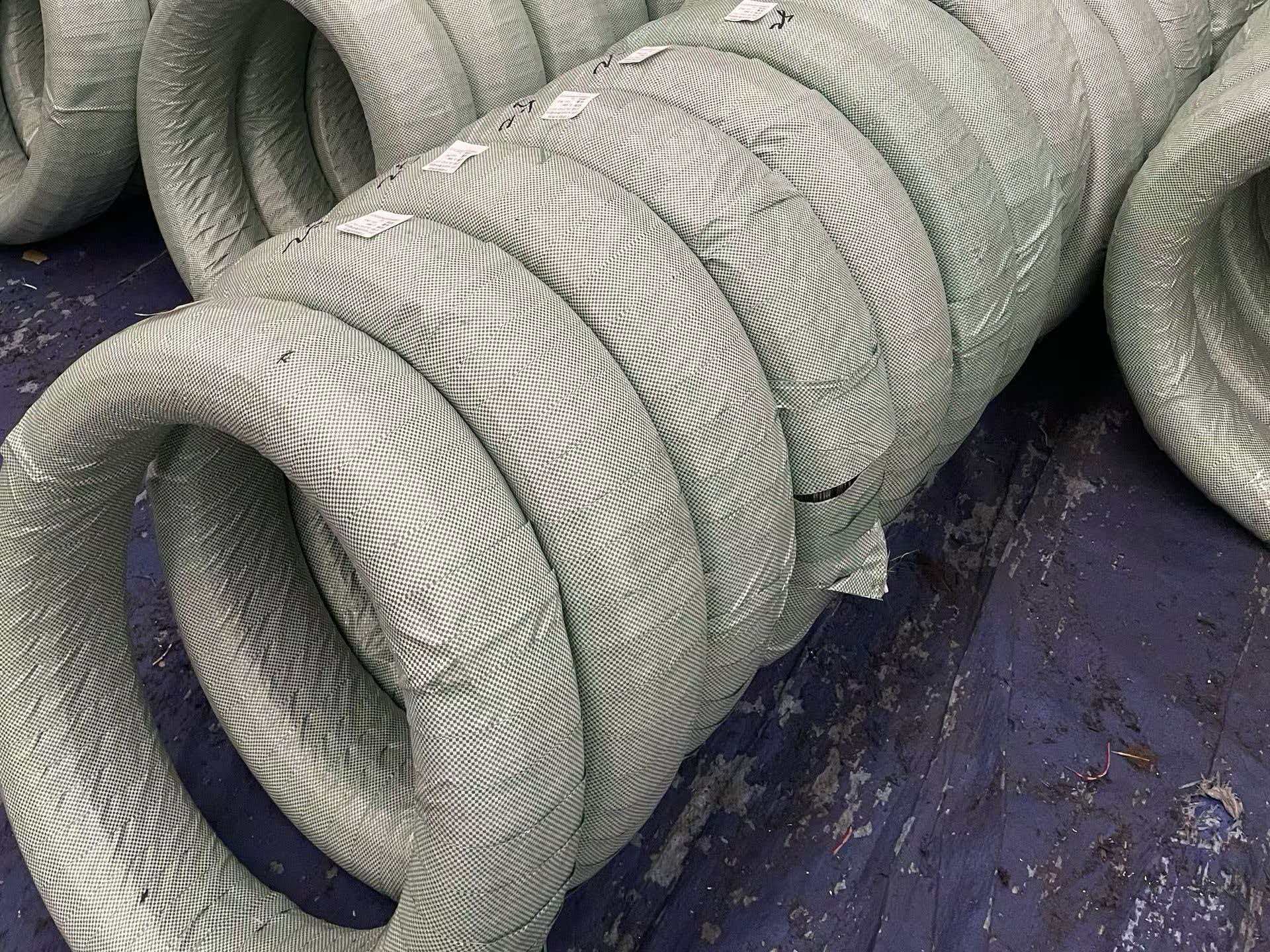
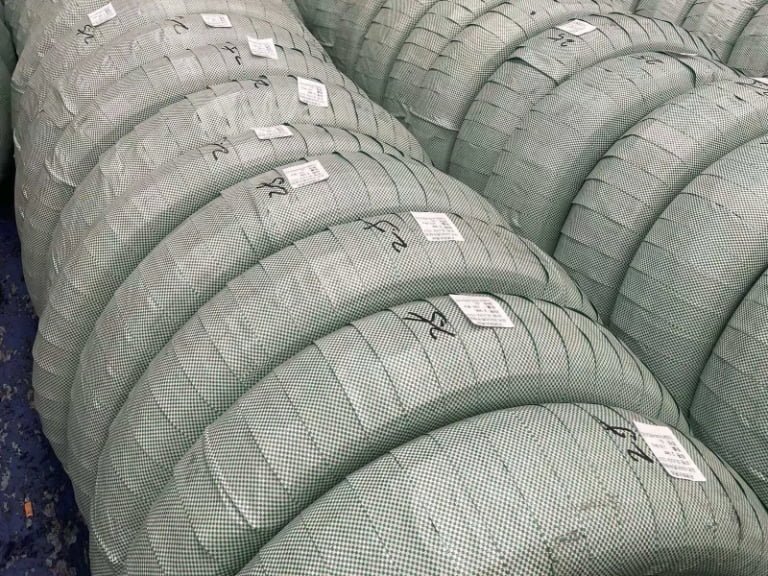
The risk calculation makes sense when you examine it. Stainless steel wire doesn't rust in storage. A coil can sit in the warehouse for two years without quality degradation. Galvanized wire starts deteriorating within months, especially during rainy seasons. From a pure inventory management perspective, stainless steel wire delivers predictable value. Galvanized wire represents uncertain risk.
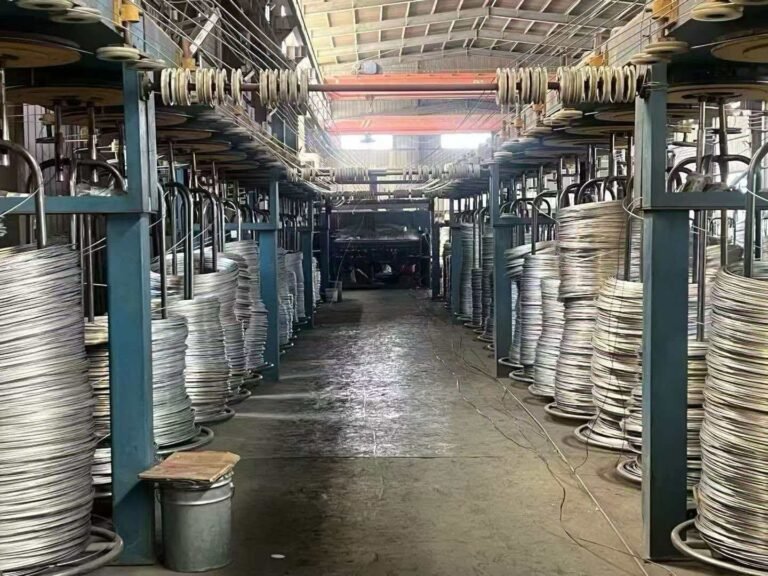
Juma's suppliers at our factory adapted to this pattern. We now prepare quarterly shipments to match his order cycle. The consistency helps both sides. Juma maintains predictable cash flow. We plan production efficiently. The reliability creates a foundation for long-term partnership.
I reviewed Juma's sales records from the past three years. The trend shows steady growth in 201 wire volume and corresponding decline in galvanized wire. The crossover point happened about eighteen months ago. Since then, 201 stainless steel wire represents seventy-five percent of his wire business. He expects that ratio to reach ninety percent within another year.
The implications extend beyond one importer's inventory choices. Juma's strategy reflects broader market confidence. He's betting that Tanzania's construction standards won't regress. He believes contractors who experienced 201 wire's reliability won't return to galvanized wire. I think his bet looks solid based on everything I've observed in the market.
Conclusion
Tanzania's construction market moved from "good enough" to "do it right the first time." The 201 stainless steel wire's dominance comes from real performance advantages that contractors can measure in cost savings and reliability. This shift won't reverse.
Juma now orders two containers of 201 stainless steel wire every quarter and has largely stopped stocking galvanized wire. Read more Tanzania market analysis on our blog https://mfgwiremesh.com/blog/ or reach out via https://mfgwiremesh.com/contact/.
If you are sourcing 201 stainless steel wire for Tanzania or any East African market, we are happy to provide a specification-based quotation. Contact us via WhatsApp: +86 15383180672.
FAQ:
Q1: What is driving Tanzanian contractors to switch from galvanized to 201 stainless steel wire? A1: Three factors are driving the shift. First, large infrastructure projects like the standard gauge railway and Dodoma government buildings specify stainless steel binding wire in tender documents, excluding galvanized wire entirely. Second, repeated rainy season experiences have taught contractors that galvanized wire rusts in storage before reaching the job site. Third, market education around pricing has shown that 201 stainless steel costs only about 30 percent more than galvanized while offering far longer service life and zero rust issues.
Q2: How has Juma's inventory composition changed as a result of this market shift? A2: Juma now orders two 20-foot containers of 201 stainless steel wire per quarter, split between 2.0 millimeter and 1.5 millimeter specifications. He has largely stopped stocking galvanized wire, only sourcing small quantities from local agents if a long-standing client specifically requests it for temporary use. His return rate on galvanized wire during rainy seasons was previously a significant operational cost that he has now eliminated.
Q3: Is the shift to 201 stainless steel wire in Tanzania reversible or temporary? A3: Juma views this shift as permanent. The combination of project specification requirements, accumulated rainy season experience, and growing awareness of 201 wire's price-to-performance ratio has created an irreversible market direction. He describes Tanzania's construction market as moving from "good enough" to "do it right the first time," with 201 stainless steel wire as the new baseline standard.