


Rwanda's two rainy seasons test every construction material. For contractors in Kigali and beyond, choosing between galvanized and 201 stainless steel wire comes down to a simple equation: is the purchase price savings worth the rework costs later? A year-long comparison test gave one contractor a clear answer.
Jean ran a side-by-side comparison on his own project and changed his procurement strategy because of it. Buyers like him, who need verified performance data before making the switch, can find detailed specifications on our product page: https://mfgwiremesh.com/metal-wire/201-stainless-steel-wire/.
Last year, I watched a contractor in Kigali lose thousands of dollars trying to save hundreds. His story changed how I think about wire selection in African climates. What seems cheap upfront often costs more in the end.
In Rwanda's rainy seasons, 201 stainless steel wire maintains rust-free performance for over 12 months while galvanized wire shows visible corrosion within the same period, making stainless steel more cost-effective despite a 30% higher initial price due to eliminated rework and penalty costs.
I have worked with contractors across East Africa for years. Rwanda presents unique challenges. The high altitude creates constant moisture. Two rainy seasons amplify corrosion risks. What works elsewhere often fails here.
Why Does Galvanized Wire Fail Faster in Rwanda's Climate?
Jean, a building contractor in Kigali, showed me rust stains on his foundation last March. He looked frustrated. The zinc coating had lasted less than one year. His project faced rejection from inspectors.
Galvanized wire fails in Rwanda because the zinc coating degrades rapidly under combined high humidity (65%+) and temperature fluctuations, exposing the base metal to oxygen and moisture, which triggers accelerated rust formation on steel reinforcement nodes.
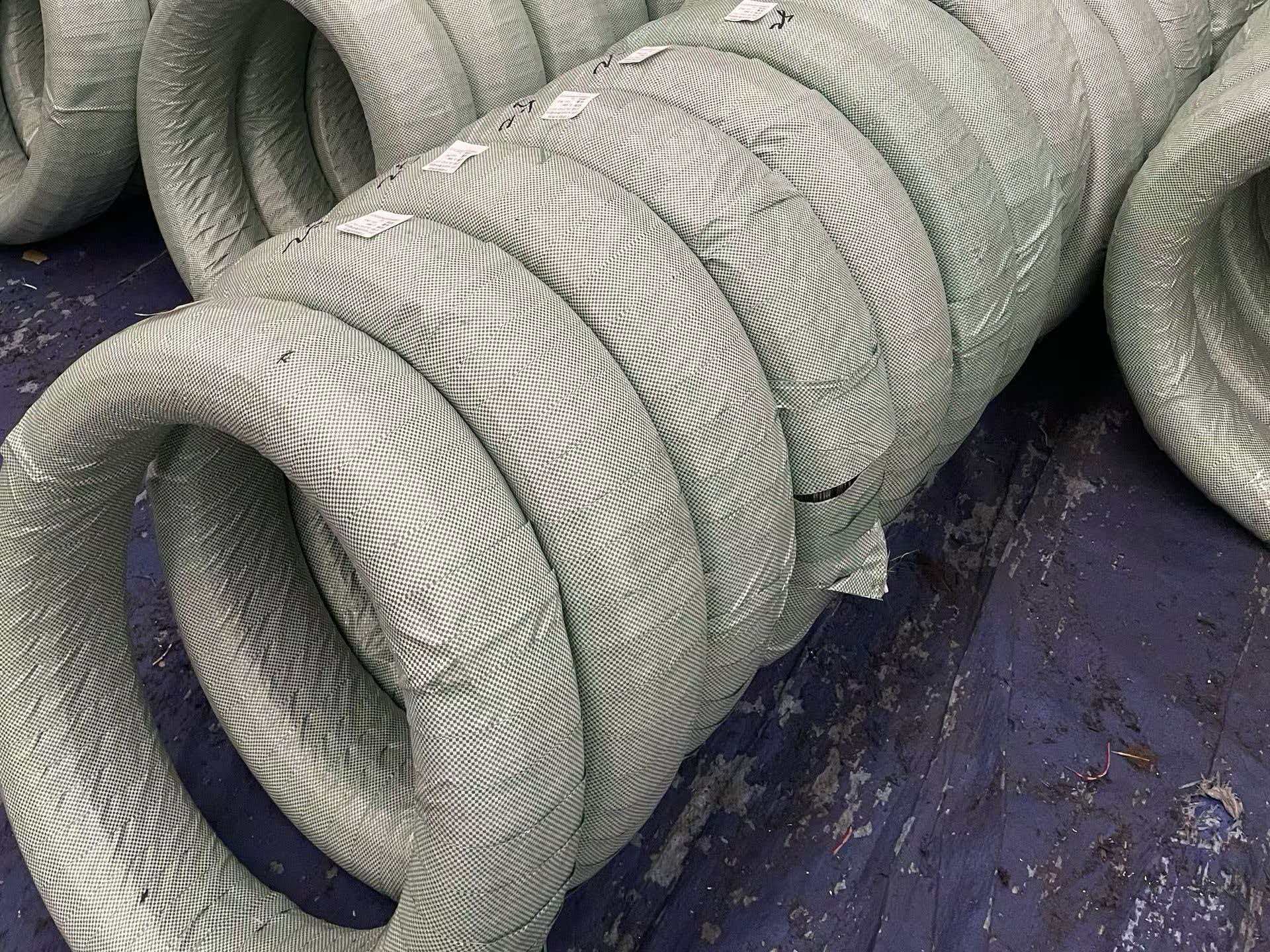
Rwanda sits near the equator but at 1500 meters elevation. This creates a specific problem. Daytime temperatures reach 28°C. Nights drop to 15°C. The temperature swing causes condensation on metal surfaces. Humidity stays above 65% year-round. The two rainy seasons bring additional moisture exposure.
Galvanized wire has a zinc coating that protects the steel core. This coating works well in dry climates. In Rwanda's conditions, it breaks down differently. The zinc reacts with moisture and oxygen. It forms zinc oxide. This white powdery substance gradually wears away. Once the zinc layer thins below a critical point, the steel underneath starts oxidizing.
I have seen this pattern repeatedly. The binding points where wires twist together corrode first. These areas have mechanical stress. The zinc coating cracks. Water penetrates these micro-cracks. Rust starts from inside. By the time you see orange stains on the concrete surface, the wire has already lost significant strength.
The table below shows how different factors accelerate galvanized wire degradation in Rwandan conditions:
| Factor | Impact on Galvanized Wire | Degradation Speed |
|---|---|---|
| Humidity (65%+) | Creates constant surface moisture | High |
| Temperature Swing (13°C daily) | Causes condensation cycles | Medium-High |
| Two Rainy Seasons | Extends wet exposure periods | High |
| High Altitude UV | Weakens zinc oxide layer | Medium |
| Binding Point Stress | Creates coating micro-cracks | Very High |
Jean's project used 0.9mm galvanized wire for foundation reinforcement binding. After twelve months, rust had penetrated through the concrete cover. The inspector documented it with photographs. Jean faced two choices: apply expensive rust treatment or replace the corroded sections. Both options cost more than the initial wire purchase.
What Makes 201 Stainless Steel Wire Perform Better?
I visited Jean's second building on the same site. The reinforcement looked clean. No rust stains appeared anywhere. He had used 201 stainless steel wire here. The difference was obvious.
201 stainless steel wire resists corrosion through its chromium content (16-18%) which forms a passive oxide layer that self-repairs when scratched, providing continuous protection against moisture and oxygen in humid environments without coating degradation.
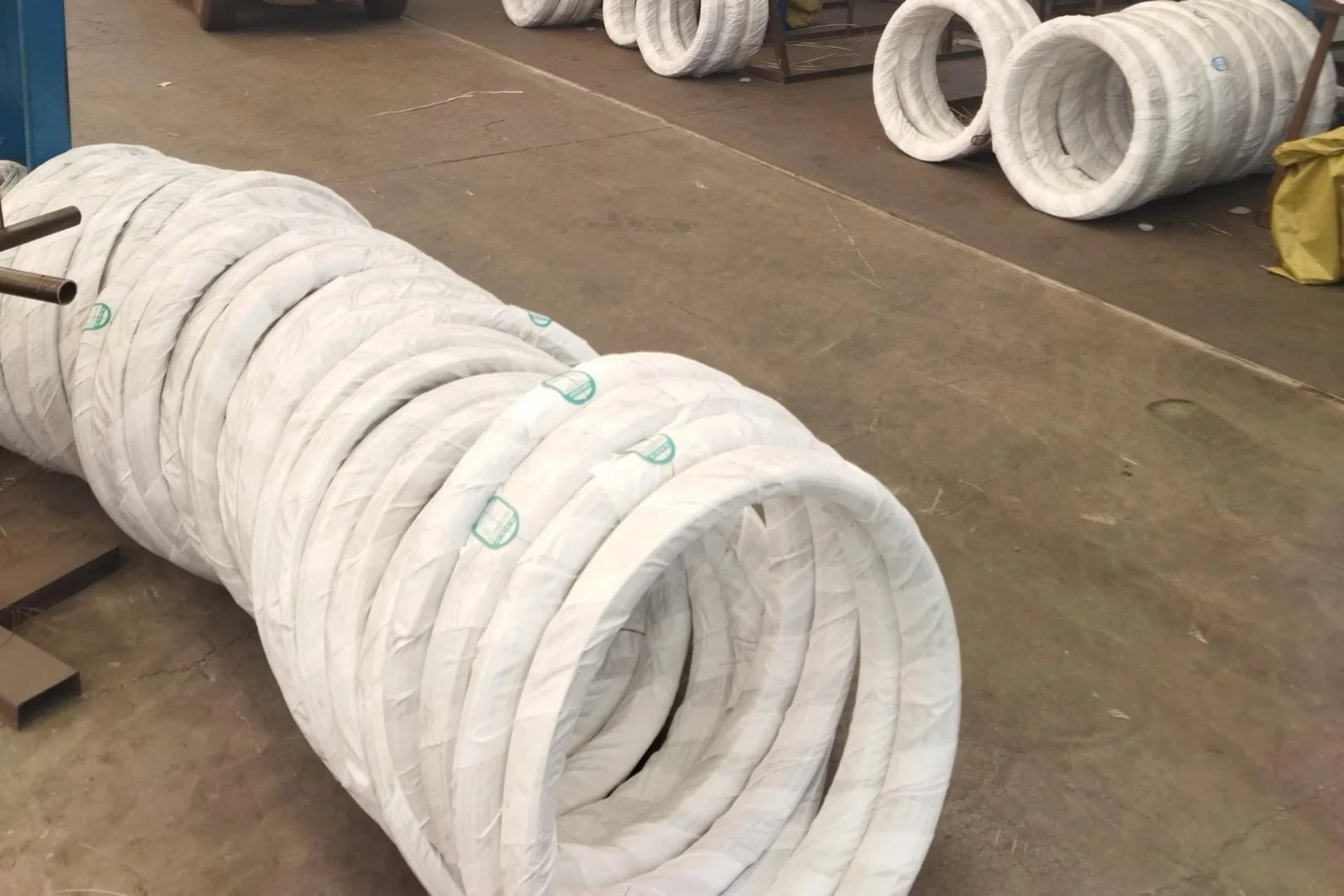
Stainless steel wire differs fundamentally from galvanized wire. It does not rely on an external coating. The corrosion resistance comes from its internal composition. 201 grade contains chromium, manganese, and nickel. These elements create a thin oxide film on the surface. This film is invisible but extremely effective.
When you scratch stainless steel, the oxide layer repairs itself. It reacts with oxygen in the air. This happens automatically. Galvanized wire cannot do this. Once the zinc coating wears through, it exposes bare steel. The protection is gone permanently.
I have used 201 grade in multiple East African projects. It handles moisture better than any coated wire. The passive layer remains stable across temperature changes. Condensation does not damage it. Rain does not wash it away. The wire maintains its structural integrity throughout the building's service life.
Rwanda's two rainy seasons test materials severely. March to May brings heavy rains. October to December adds more moisture. Construction schedules cannot always avoid these periods. Materials must perform regardless of weather conditions. 201 stainless steel wire meets this requirement consistently.
The chemical composition makes the difference. Here is how 201 grade compares to galvanized wire:
| Property | 201 Stainless Steel | Galvanized Wire |
|---|---|---|
| Corrosion Resistance Mechanism | Internal chromium oxide layer | External zinc coating |
| Self-Healing Capability | Yes (passive layer reforms) | No (coating depletes) |
| Humidity Tolerance | Excellent (65%+ sustained) | Poor (coating degrades) |
| Temperature Cycle Resistance | Very Good (no coating stress) | Fair (coating cracks) |
| Wet/Dry Cycle Performance | Stable (oxide layer intact) | Declining (zinc dissolves) |
| Long-term Cost Efficiency | High (no rework needed) | Low (requires treatment) |
Jean told me his inspector approved the 201-wire building immediately. No rust treatment was needed. No delays occurred. No penalties were applied. The project moved to the next phase on schedule. This smooth process justified the higher material cost.
How Much Does the Cost Difference Really Matter?
Jean showed me his procurement records. The numbers told a clear story. Initial prices looked different. Final costs revealed the truth.
The 30% higher purchase price of 201 stainless steel wire ($1,100/ton vs $800/ton for galvanized) becomes cost-effective when factoring in rust treatment ($200-300/ton), rework labor ($150-250/ton), inspection delays ($100-200/ton), and potential penalties that galvanized wire triggers in humid climates.
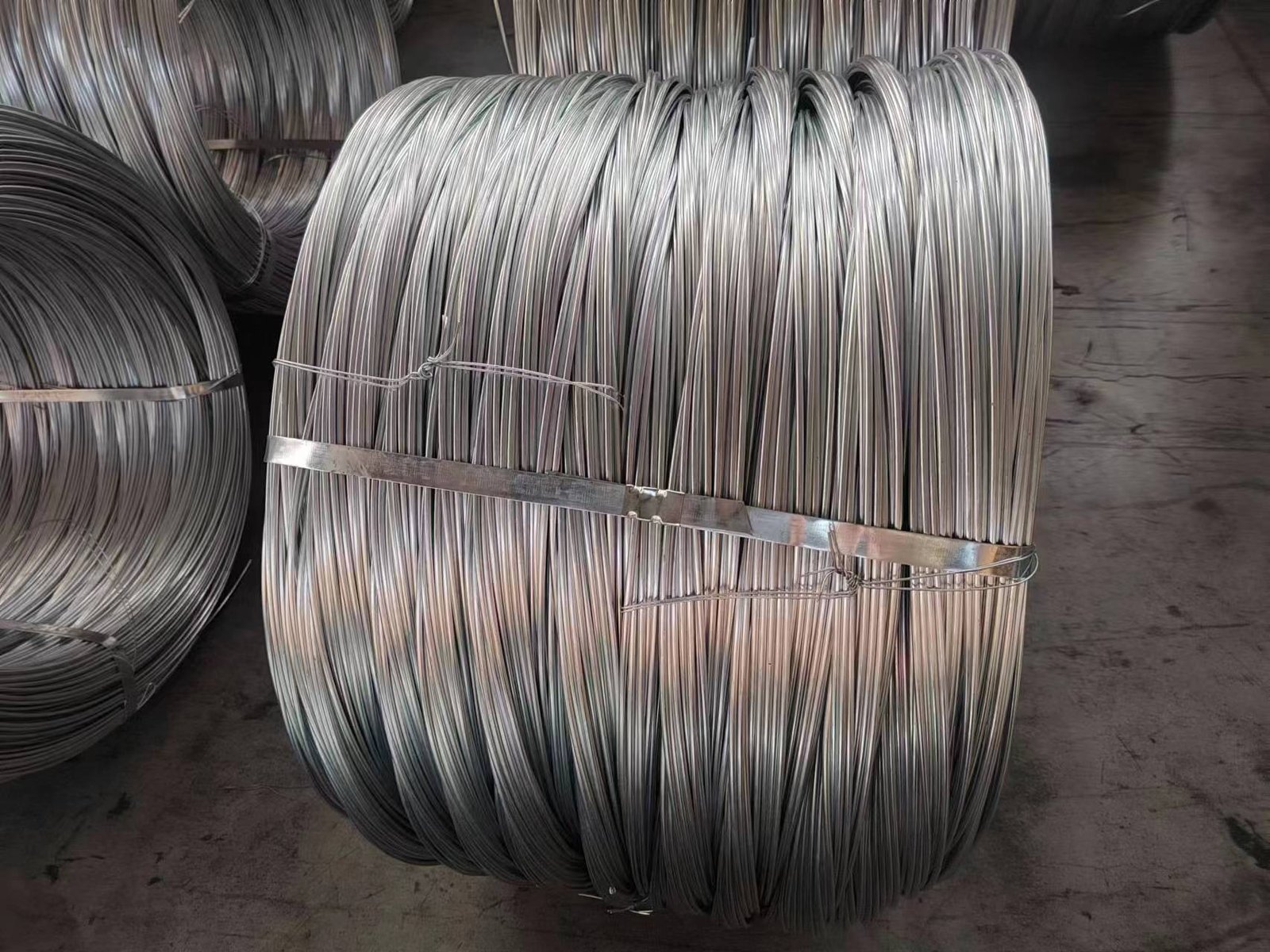
I have helped contractors calculate true wire costs for years. Most people make the same mistake. They compare purchase prices only. The spreadsheet shows galvanized wire as cheaper. The decision seems obvious. Then problems start appearing on site.
Jean's galvanized wire cost $800 per ton delivered to Kigali. His 201 stainless steel wire cost $1,100 per ton from the same supplier. The difference was $300 per ton. For his foundation project, he needed approximately 2.5 tons. Choosing galvanized wire saved him $750 initially.
The rust problems changed everything. The inspector required rust treatment for all corroded binding points. The contractor Jean hired charged $2,500 for rust removal and protective coating application. This covered labor, chemicals, and equipment. Additional inspection fees added $400. The project timeline extended by two weeks, triggering a $1,200 penalty clause in his contract.
Total additional costs for the galvanized wire building: $4,100. His initial saving of $750 turned into a $3,350 loss. The 201 stainless steel wire building had zero additional costs. It passed inspection on the first attempt.
I created this breakdown to show the real numbers:
| Cost Category | Galvanized Wire Building | 201 Stainless Wire Building |
|---|---|---|
| Wire Purchase (2.5 tons) | $2,000 | $2,750 |
| Rust Treatment | $2,500 | $0 |
| Additional Inspection | $400 | $0 |
| Delay Penalties | $1,200 | $0 |
| Rework Labor | $800 | $0 |
| Total Project Cost | $6,900 | $2,750 |
| Cost per Ton | $2,760 | $1,100 |
Jean now specifies 201 stainless steel wire for all his projects. He focuses on critical areas: foundation nodes, column ties, and beam reinforcement. These locations face the highest corrosion risk. He uses 2.0mm and 1.5mm diameters most frequently. These sizes handle standard reinforcement binding requirements.
Last week he sent me a new order. One twenty-foot container of 201 wire. He wants enough stock for the entire rainy season. He told me the peace of mind is worth more than any price difference. I understand his reasoning completely.
Which Wire Should You Choose for Your Rwanda Project?
I have shipped wire to Rwanda for fifteen years. My customers ask the same question repeatedly. The answer depends on your project timeline and quality requirements.
Choose 201 stainless steel wire for any structural application in Rwanda's climate, especially foundation work, column reinforcement, and permanent structures where rework is costly, while galvanized wire remains acceptable only for temporary applications under 6 months with no inspection requirements.
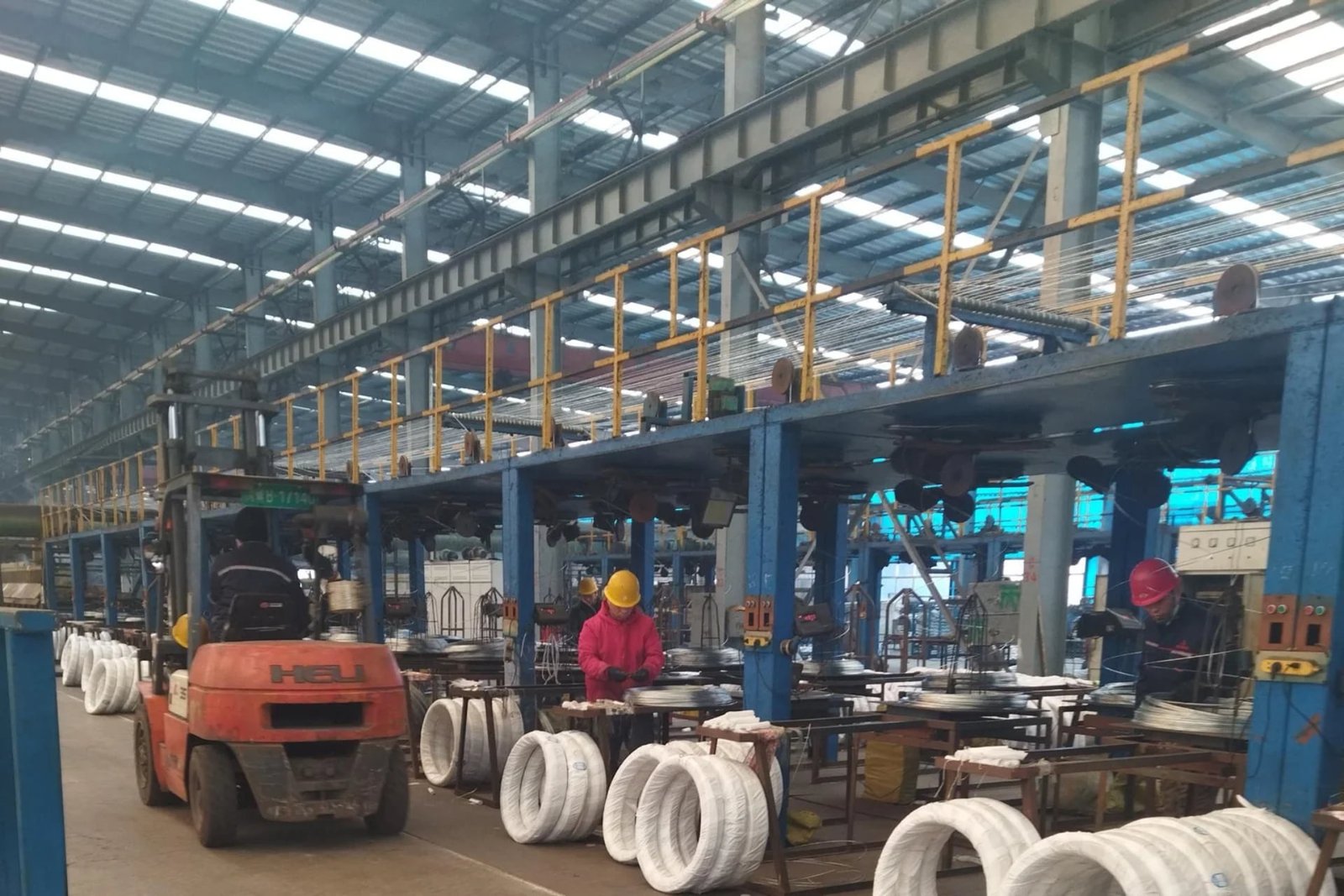
Project duration matters significantly. If you plan to complete construction and apply protective coatings within six months, galvanized wire might survive. Rwanda's rainy seasons span roughly four months total annually. A tight construction schedule could avoid the worst moisture exposure. But this requires precise planning. Weather delays are common. I rarely see projects finish exactly on schedule.
Structural importance affects wire choice. Foundation reinforcement remains buried in concrete permanently. You cannot inspect it easily later. You cannot replace it without major demolition. Using 201 stainless steel wire here eliminates future risks. The additional cost is small compared to potential structural problems.
Column and beam connections carry building loads. These nodes concentrate stress. Corrosion here weakens the entire structure. I recommend 201 wire for all load-bearing applications in Rwanda. The safety margin justifies the investment.
Temporary structures follow different logic. Formwork ties, construction fencing, and material bundling exist briefly. If you will remove these elements within months, galvanized wire works adequately. The zinc coating survives short exposures. Cost savings make sense for disposable applications.
Inspection requirements influence material selection. Rwanda's building codes have tightened recently. Inspectors check reinforcement binding quality carefully. They document rust problems with photographs. Failing inspection creates expensive delays. Using 201 wire from the start avoids these complications.
Here is my recommendation framework:
| Application Type | Recommended Wire | Reason |
|---|---|---|
| Foundation Binding | 201 Stainless Steel | Permanent, inaccessible, critical |
| Column Reinforcement | 201 Stainless Steel | Load-bearing, inspection-critical |
| Beam Ties | 201 Stainless Steel | Structural, long-term exposure |
| Slab Reinforcement | 201 Stainless Steel | Moisture exposure, quality standards |
| Temporary Formwork | Galvanized Wire | Short-term use, will be removed |
| Material Bundling | Galvanized Wire | Non-structural, disposable |
My factory ships both wire types from Tianjin Port. We stock 201 grade in diameters from 0.5mm to 3.0mm. Galvanized wire is available in the same range. Minimum order quantities are low. We support mixed containers. You can test both materials on a small scale before committing to larger volumes.
I suggest starting with 500kg of each wire type if you are unsure. Use galvanized wire on temporary applications. Use 201 stainless steel on critical bindings. Compare the performance after six months. The difference will be clear. Most contractors switch entirely to 201 after seeing the results.
Payment terms are flexible. We accept Western Union for small trial orders. T/T works for container shipments. I can arrange 30% advance payment, 70% balance before shipment. Documentation is in English. We provide specifications sheets and material certificates.
Jean's experience taught me an important lesson. What looks expensive upfront often saves money overall. What seems cheap initially can cost you much more later. Rwanda's climate does not forgive poor material choices. Your wire selection affects your reputation, your schedule, and your profit margin.
Conclusion
201 stainless steel wire outperforms galvanized wire in Rwanda's rainy seasons despite higher initial costs, eliminating rust-related rework and providing reliable long-term performance that justifies the 30% price premium.
Jean's comparison test lasted one year and produced a result he no longer debates. Read more Rwanda construction insights on our blog https://mfgwiremesh.com/blog/ or reach out via https://mfgwiremesh.com/contact/.
If you are sourcing 201 stainless steel wire for Rwanda or any East African market, we are happy to provide a specification-based quotation. Contact us via WhatsApp: +86 15383180672.
FAQ:
Q1: How does 201 stainless steel wire perform in Rwanda's rainy seasons compared to galvanized wire? A1: In Jean's year-long comparison test, the building tied with 201 stainless steel wire showed zero rust spots at rebar nodes after both rainy seasons, while the galvanized-tied building had visible rust penetration into the concrete surface. Kigali's elevation keeps humidity above 65 percent year-round with two distinct rainy seasons. These conditions rapidly degrade zinc coating on galvanized wire but have minimal effect on the chromium-based rust resistance of 201 stainless steel.
Q2: What is the cost difference between galvanized and 201 stainless steel wire? A2: Galvanized wire costs approximately 800 dollars per ton at purchase, while 201 stainless steel wire costs approximately 1,100 dollars per ton. The purchase price gap is about 30 percent. However, Jean's real-world experience showed that galvanized wire generated additional costs for rust treatment rework, project delay penalties, and rebar replacement. These hidden costs made the total expenditure on galvanized wire higher than the full-cycle cost of 201 wire.
Q3: After switching to 201 stainless steel wire, which specifications does Jean now standardize on? A3: Jean now uses 2.0 millimeter for rebar tying at beam-column joints and foundation work, and 1.5 millimeter for fencing applications. These two specifications cover all his project needs. His latest order was a 20-foot container of these two specifications, and he reports that the peace of mind from not worrying about rust during rainy season construction outweighs any price difference.