


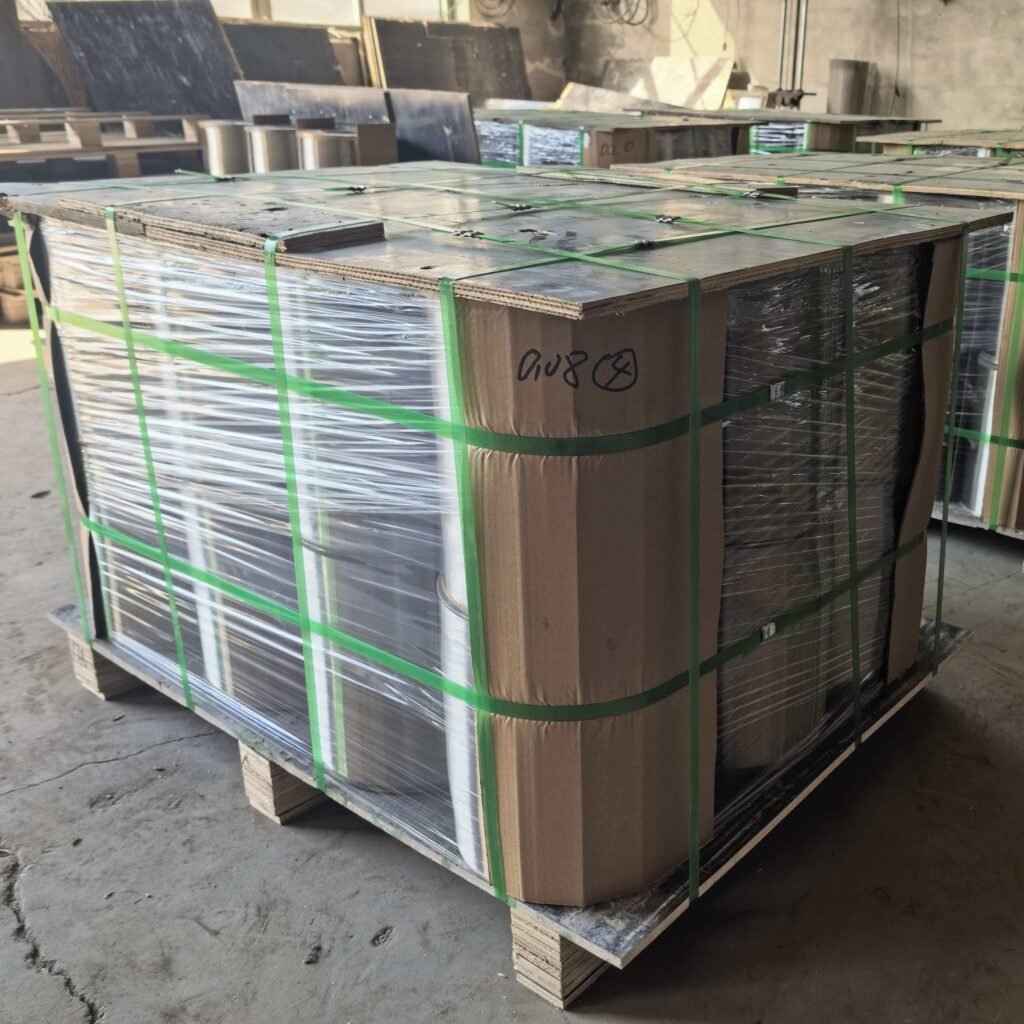
Struggling with materials that rust in humid climates? This failure costs you money and customers. 201 stainless steel wire offers the perfect balance of durability and affordability for your market.
201 stainless steel wire is the top choice for Southeast Asian wholesalers because it perfectly balances cost-effectiveness with strong corrosion resistance. Its unique composition makes it durable enough for tropical climates while remaining affordable, helping businesses stay competitive and avoid costly material failures like rust.
I remember a conversation I had last year with a new client from Malaysia. He told me a painful story about a construction project in Johor. To save on costs, they used a cheaper mild steel wire. But after just six months of monsoon season, the wire was covered in rust. The rework was a nightmare and cost them a fortune. After that experience, they switched to our 201 stainless steel wire. Not only did it solve the corrosion problem completely, but it also allowed them to bid 15% lower than competitors. Today, they are one of our biggest clients in the region, ordering five containers every month. This story isn't unique. From Jakarta to Manila, the feedback is the same. This is why it's so important to understand the factors that make a wire suitable for your specific market.
What key factors should you consider when choosing a wire?
Choosing the wrong wire can sink a project. A material that fails early creates huge losses and damages your reputation. You need to focus on the key factors for your market.
When choosing 201 stainless steel wire, focus on its corrosion resistance for humid climates, tensile strength for durability, and price-to-performance ratio. These factors ensure you get a reliable product that meets local demands for both quality and affordability, preventing costly failures.
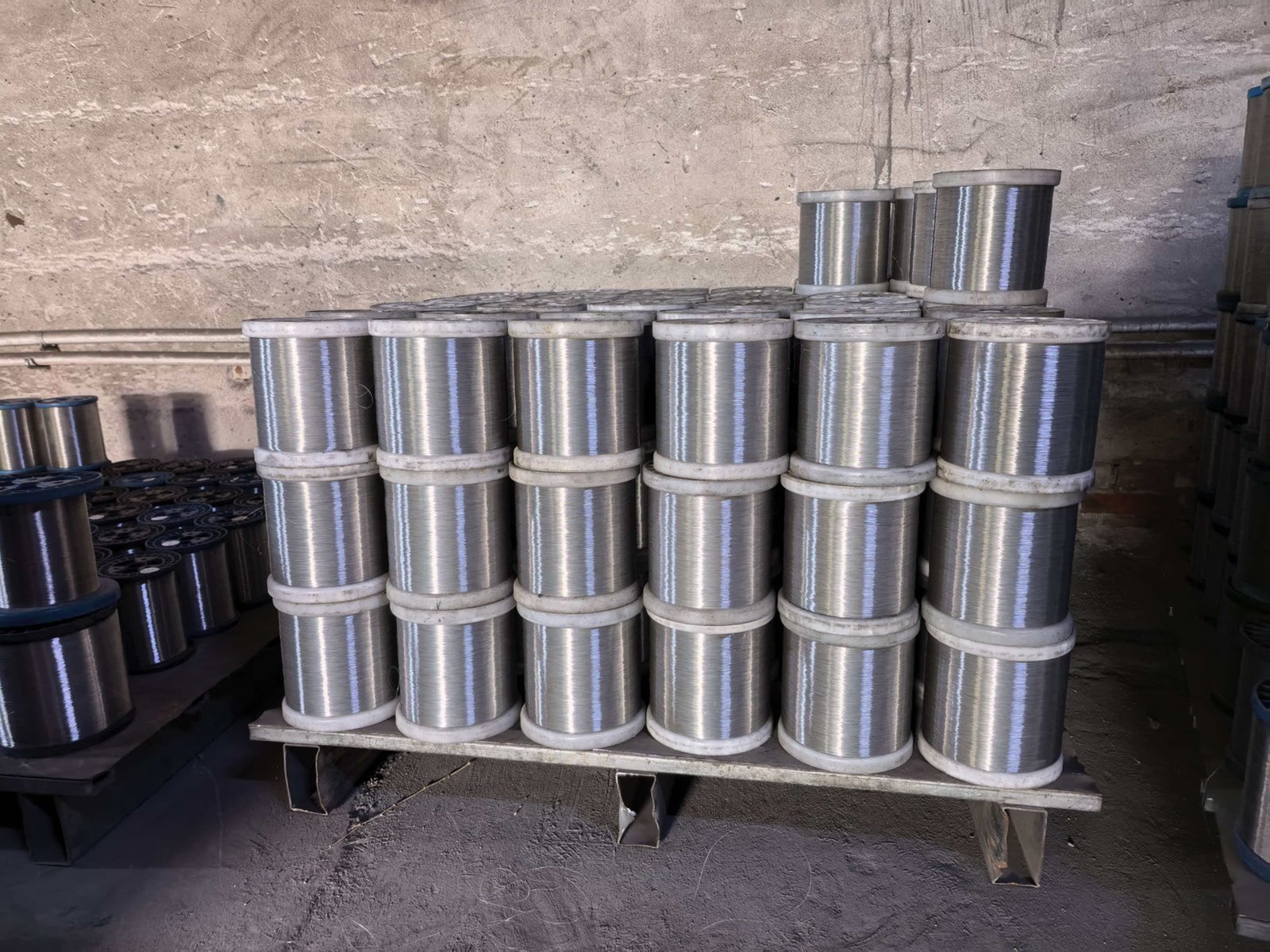
When I talk to hardware wholesalers across Southeast Asia, the conversation always comes back to three things: performance in a humid climate, strength for demanding jobs, and a price that makes sense. Getting this balance right is the secret to success. You can't just pick the cheapest option, as my Malaysian client learned the hard way. But you also don't need the most expensive material for every application. It’s about finding the sweet spot.
The Balance of Performance and Cost
201 stainless steel hits that sweet spot perfectly. It was designed to be a cost-effective alternative to the more expensive 300-series stainless steels (like 304). It does this by replacing some of the costly nickel with manganese and nitrogen. This clever change in its chemical makeup gives it good strength and moderate corrosion resistance, which is more than enough for most general hardware and construction applications in the region. It won't rust like mild steel but doesn't carry the high price tag of 304 stainless steel, which is often overkill for projects where extreme corrosion resistance isn't the primary need.
Why It Works for Southeast Asia
Let's break down how 201 stainless steel compares to other common options. This shows why it has become the go-to choice for so many of my clients.
| Material | Corrosion Resistance | Tensile Strength | Cost | Best Use Case in SEA |
|---|---|---|---|---|
| Mild Steel | Low | Moderate | Very Low | Indoor, dry applications only. Prone to rust. |
| 201 Stainless Steel | Moderate | High | Low-Moderate | General construction, mesh, fencing, hardware. |
| 304 Stainless Steel | High | High | High | Food processing, marine, chemical environments. |
As you can see, mild steel is a risky choice for any outdoor application in a place with heavy rainfall and humidity. It will fail. 304 stainless steel is an excellent material, but its high cost makes it difficult for wholesalers to stay competitive on large-volume bids. 201 stainless steel provides the necessary protection against atmospheric corrosion and has the high tensile strength needed for durable products, all at a price that works for the local economy. It’s the smart, practical choice.
How do you verify a manufacturer's quality?
A low price can be tempting, but it often hides poor quality. If you supply bad wire, it's your reputation on the line, not just the manufacturer's. You need a reliable way to check their quality.
Verify a manufacturer's quality by requesting detailed product specification sheets and performance test reports, like salt spray tests. Ask for samples to test yourself and check their production capabilities, such as diameter tolerance control (e.g., ±0.01mm), to ensure consistent, high-quality wire.
Over my 25 years in this business, I've seen it all. I've seen suppliers who promise the world and deliver tangled, inconsistent wire. That's why I always tell my customers that you can't just trust a price list. You have to dig deeper and verify the quality for yourself. A good manufacturer will be transparent and happy to prove their capabilities. They should be your partner in quality, not just a seller.
Look for Tight Tolerances
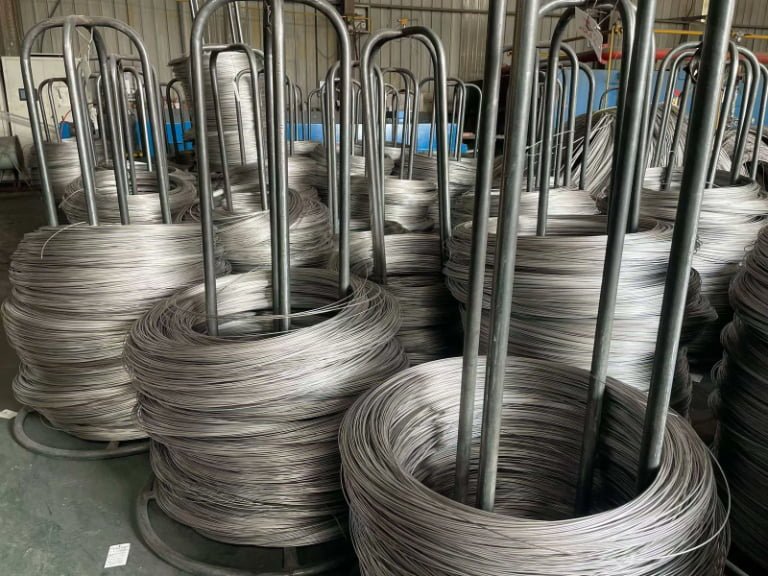
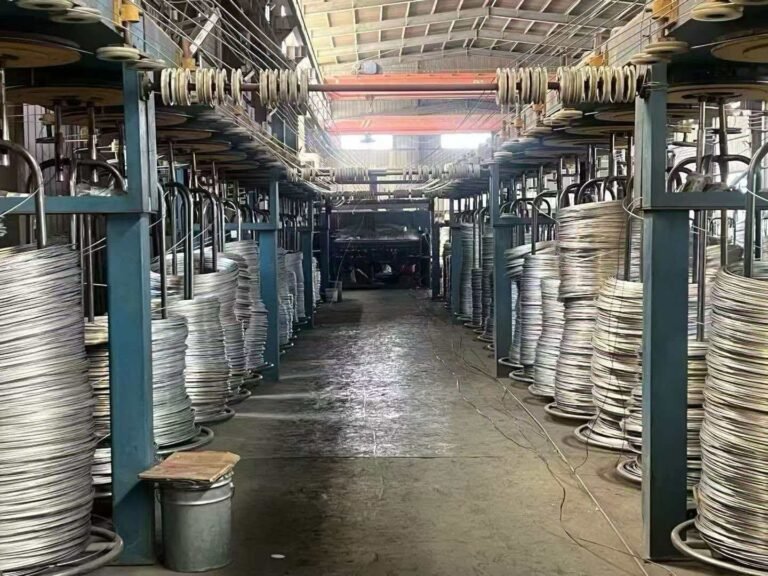
One of the first things I check is the manufacturer's control over the wire's diameter. A consistent diameter is crucial. I once visited a factory in Vietnam where workers were weaving our 201 wire into mesh. They told me our wire rarely tangled, which cut their production time by nearly 20%. This is because we maintain a strict diameter tolerance of ±0.01mm. When the wire diameter is inconsistent, it can snag and break in automated machinery, causing costly downtime. A manufacturer that can hold tight tolerances shows they have advanced equipment and a serious commitment to quality control.
Ask for Proof of Performance
Don't just take their word for it. A reputable manufacturer can provide detailed reports to back up their claims. Here’s what you should ask for:
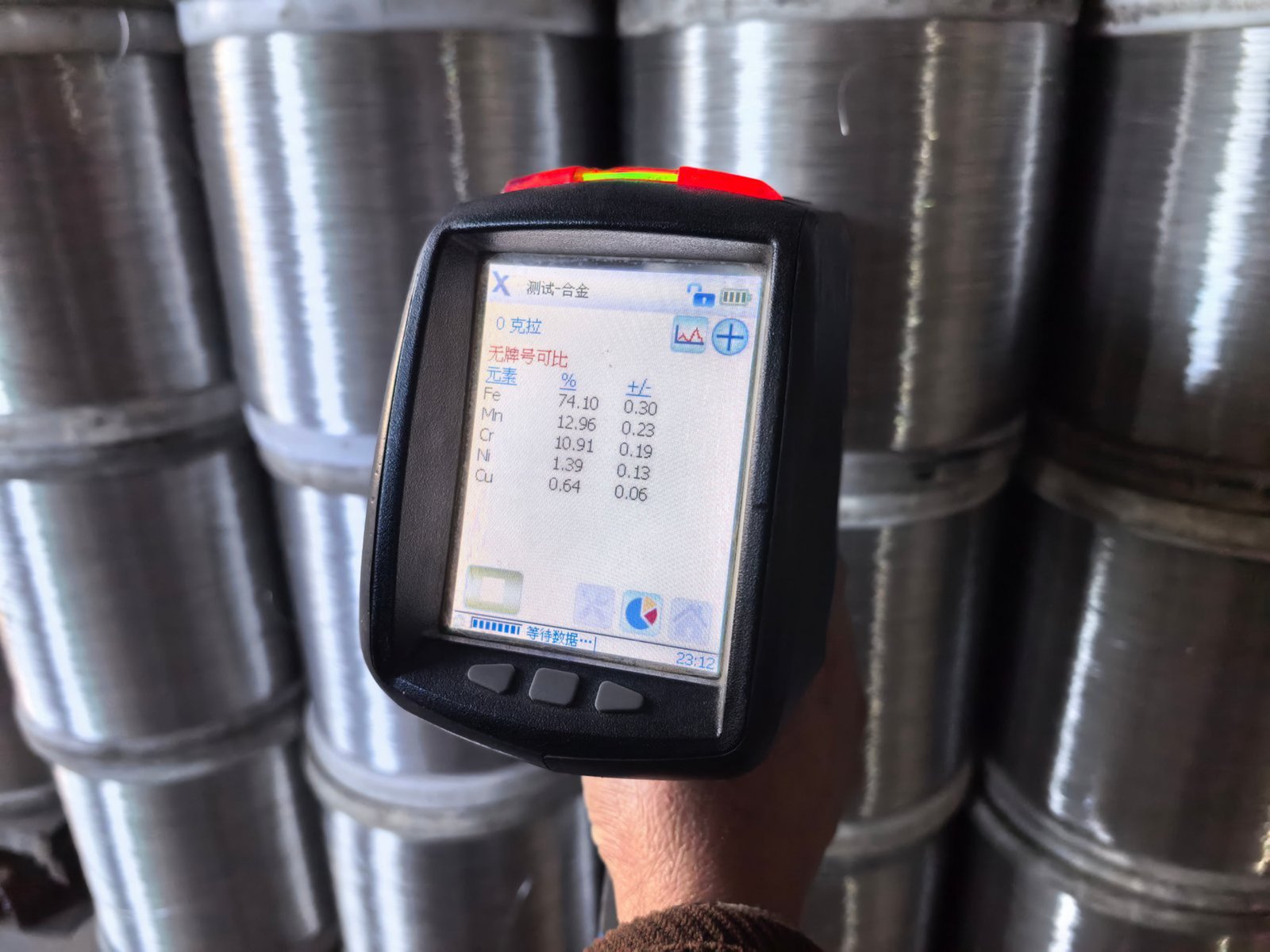
- Chemical Composition Report: For 201 stainless steel, this report should confirm the percentages of chromium, manganese, and nickel. This proves you are getting genuine 201 and not a lower-grade material.
- Mechanical Properties Test: This includes tensile strength, which tells you how much load the wire can handle before breaking. For general use, a tensile strength over 450MPa is a good benchmark.
- Salt Spray Test Report: This is non-negotiable for any wire used in Southeast Asia. This test simulates a corrosive environment. A wire that can pass a 96-hour salt spray test proves it can stand up to humid, salty air without rusting.
Requesting samples is also a great idea. You can see and feel the quality yourself. Is the surface smooth? Is it easy to bend and work with? These simple hands-on tests can tell you a lot about the manufacturing process.
What certifications should you look for?
Any supplier can claim they produce high-quality wire. But without proof, you are taking a big risk with your money and your customers' trust. Certifications are that proof.
Always look for key certifications like ISO 9001 for quality management systems. Also, check for compliance with material standards like RoHS and REACH, especially for export markets. These certificates prove the manufacturer meets international standards for quality, safety, and environmental responsibility.
Certifications are more than just pieces of paper to hang on a wall. They are a sign that a manufacturer has invested in their processes and is committed to meeting global standards. For a hardware wholesaler, sourcing from a certified manufacturer is a powerful selling point. It tells your customers that you are providing a product that is not only reliable but also safe and responsibly made. This can be the deciding factor for contractors working on government projects or for international companies with strict procurement policies.
Core Certifications for Quality and Safety
When you evaluate a new supplier, these certifications should be at the top of your checklist. They provide a baseline of trust and show a level of professionalism that separates the great suppliers from the average ones.
| Certification | What It Guarantees for You | Why It Matters |
|---|---|---|
| ISO 9001 | The manufacturer has a documented and audited quality management system. | It ensures consistency. From raw material inspection to final packaging, every step is controlled to produce a reliable product, batch after batch. |
| RoHS | The product is free from specific hazardous substances like lead, mercury, and cadmium. | This is critical for products that may be used in consumer goods or construction where human contact is possible. It also opens up export markets in Europe. |
| REACH | The manufacturer complies with regulations on the production and use of chemical substances. | Like RoHS, this is a key European standard that shows a commitment to environmental and human health. It shows the supplier is globally aware and responsible. |
| CE / AWS | The product meets standards for specific markets or applications (e.g., European construction, American welding). | If your customers are involved in specific industries like construction or certified welding, these marks prove the wire is fit for purpose and meets legal requirements. |
I always emphasize to my team that our certifications are our promise to our clients. When a customer in Germany or the U.S. buys our wire, they do so with confidence because they know we meet the same high standards they are held to. For a wholesaler in Southeast Asia, offering a certified product gives you a huge advantage and builds long-term trust with your buyers.
Conclusion
In short, 201 stainless steel wire's blend of affordability and durability makes it the top choice for SEA. Verifying a manufacturer's quality and certifications ensures you get the best value.