


Struggling to choose the right stainless steel wire? Making the wrong choice can lead to premature rust or unnecessary costs, undermining your entire project.
For most applications requiring good corrosion resistance, 304 stainless steel wire is the better choice due to its higher nickel and chromium content. However, for indoor, dry applications where cost is a major factor, 201 stainless steel wire is a perfectly suitable and more economical option.
I remember getting a call from a client in Ethiopia. He ran a diverse metal products company, making everything from decorative building materials to everyday household goods. He was stuck on this exact question: 304 or 201? His dilemma is one I see all the time, and the answer isn't always simple. It really depends on what you are making. Let's break down how I helped him, so you can make the right choice for your own projects.
Why Does 304 Stainless Steel Resist Rust Better?
You see two types of stainless steel, but you've noticed one rusts much faster. This can ruin your product's quality and your reputation if you pick the wrong one.
304 stainless steel resists rust better because it contains significantly more nickel (around 8%) and chromium (around 18%). These elements form a tough, dense protective layer on the wire's surface, which is far more effective at blocking moisture and corrosive elements than the layer on 201 steel.

The magic of stainless steel lies in its chemical makeup. Think of the surface of the steel wire. When exposed to oxygen, it forms a very thin, invisible layer called a "passive layer." This layer is what protects the steel from rust. The quality of this layer depends on the amount of chromium and nickel in the steel. 304 stainless steel has a higher percentage of both. This creates a more robust and self-repairing shield. If it gets scratched, it quickly reforms to protect the underlying steel. 201 stainless steel has less nickel, so its protective layer is weaker and more susceptible to attack, especially from salt, acids, or constant moisture. At our factory, we conduct 96-hour salt spray tests, and 304 consistently outperforms 201, proving its suitability for tougher environments.
Here is a simple breakdown:
| Feature | 304 Stainless Steel | 201 Stainless Steel |
|---|---|---|
| Nickel (Ni) Content | ~8% - 10.5% | ~3.5% - 5.5% |
| Chromium (Cr) Content | ~18% - 20% | ~16% - 18% |
| Corrosion Resistance | Excellent | Fair |
| Best For | Outdoor, humid, food-grade | Indoor, dry, decorative |
Is 201 Stainless Steel Wire a Good Choice to Save Money?
Project budgets are always a concern. But you worry that choosing the cheapest material will lead to product failure and unhappy customers. The key is finding the right balance.
Yes, 201 stainless steel wire is a great choice to save money on the right projects. It's much cheaper than 304 because it uses less nickel, an expensive metal. For indoor items like decorative mesh, furniture frames, or general-purpose products not exposed to moisture, 201 works well.
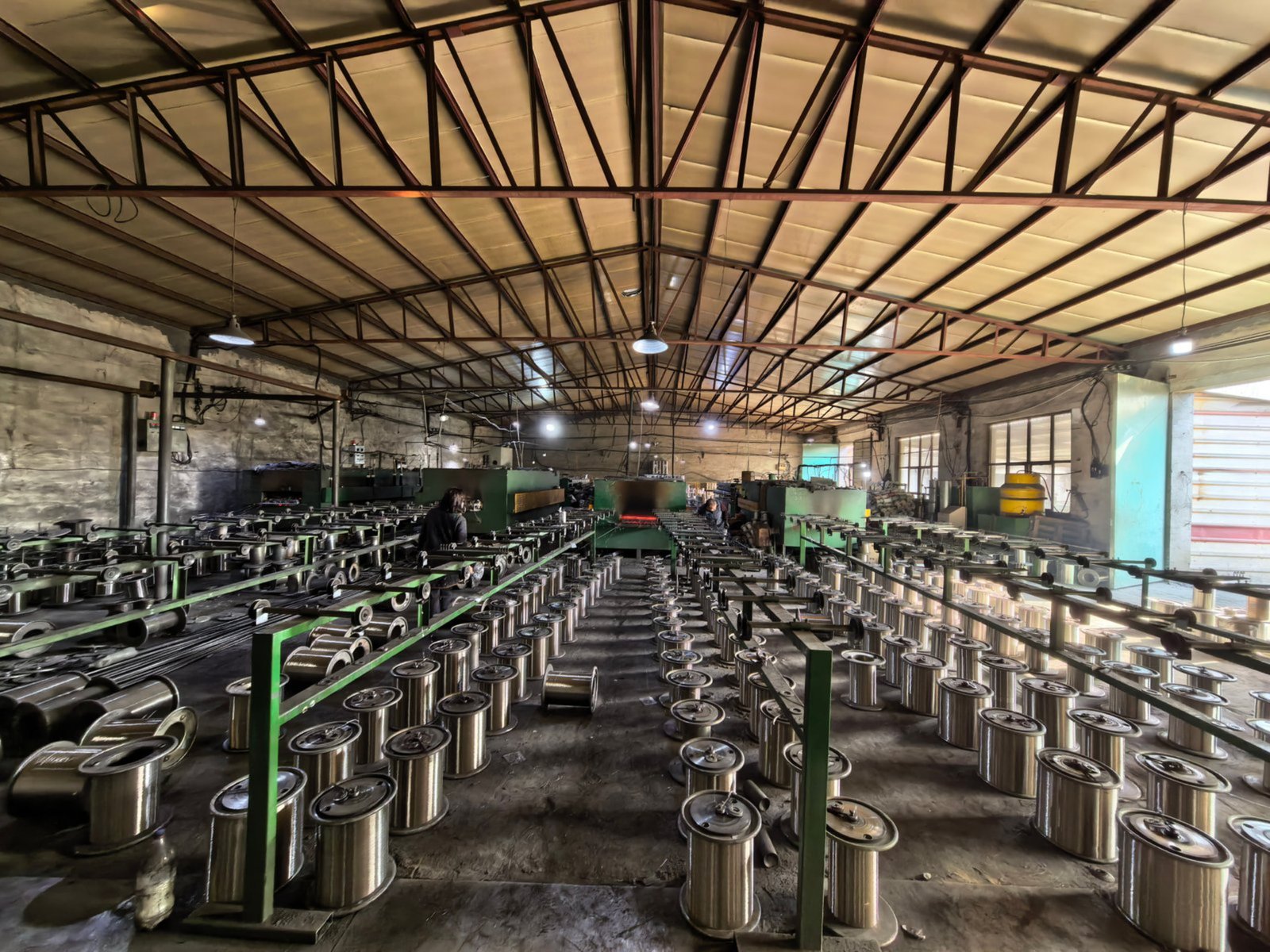
This was a major point for my Ethiopian client. He was producing large quantities of products, so material cost was critical. Choosing the most expensive option for every product would have made him uncompetitive. I explained that for his indoor architectural decorations and some of his general household goods, 201 stainless steel was the perfect solution. These products would not be exposed to harsh weather or corrosive substances. By using 201 for these applications, he could significantly lower his production costs without sacrificing the necessary quality for the product's intended environment. It's not about which material is "best" overall, but which is the smartest choice for a specific job. The money he saved on these parts allowed him to invest in the better material where it truly mattered.
This table helps illustrate the cost-versus-application balance:
| Application | Recommended Material | Reason |
|---|---|---|
| Food Processing Baskets | 304 Stainless Steel | High corrosion and hygiene requirements |
| Indoor Decorative Panels | 201 Stainless Steel | Cost-sensitive, low corrosion risk |
| Outdoor Fencing | 304 Stainless Steel | Exposed to rain and humidity |
| General-Purpose Shelving | 201 Stainless Steel | Dry indoor environment, budget-friendly |
How Do I Choose the Right Wire for My Project?
You now understand the differences in rust resistance and cost. But standing in front of two options, you might still feel hesitant about making the final call.
To choose, first, analyze your project's environment. Will it be inside or outside? Will it touch food or chemicals? Second, look at your budget. If top-tier corrosion resistance is essential, you must choose 304. If the application is dry and cost is the top priority, 201 is fine.
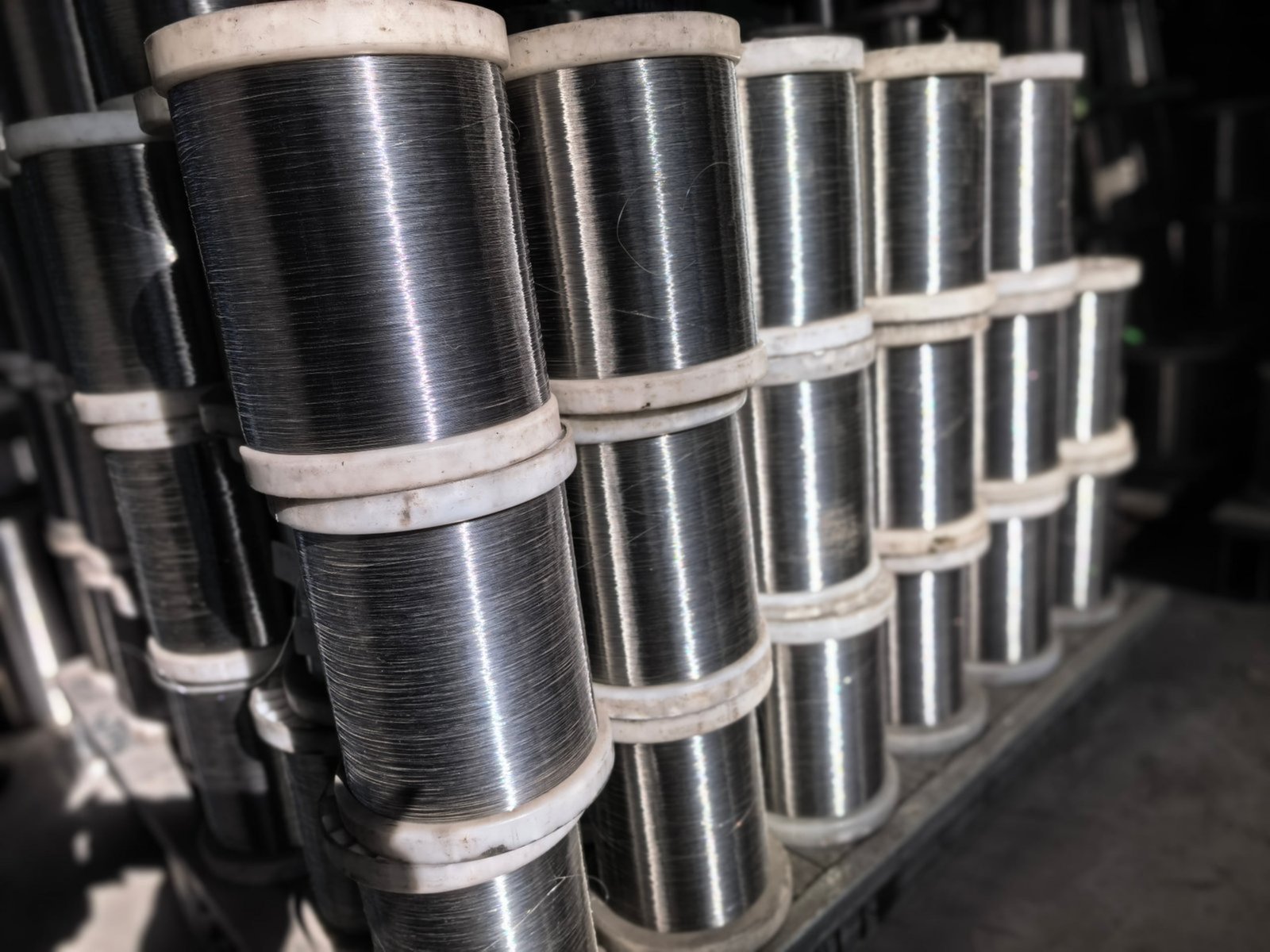
For my Ethiopian client, the final plan was simple. We created a two-part strategy. For any products that would come into contact with food or water, like kitchen utensils or parts for water systems, he would use 304 stainless steel wire. This ensured safety, hygiene, and long-term durability. For all his indoor decorative work and general items, he would use 201 stainless steel wire to keep costs down.
Then, I shared one more piece of advice that made a huge difference for him. I told him about China's duty-free import policies for many African nations, including Ethiopia. This policy meant that his cost to import either 304 or 201 stainless steel would be much lower, and the customs clearance process would be simpler. This was great news. It made the more expensive 304 wire much more affordable for his critical applications, and it further reduced the cost of the already economical 201 wire. This is the kind of partnership we build. We don't just sell wire; we provide a complete solution that helps our clients succeed.
Conclusion
Choosing between 304 and 201 steel isn't about which is better overall. It's about picking the right material for your specific need, balancing long-term performance with your budget.