

Struggling to balance durability and budget for Nairobi's infrastructure projects? The high cost of materials can halt progress, but there's a cost-effective solution that doesn't compromise on quality.
201 stainless steel wire is the smart economic choice for Nairobi's greening and fencing projects. Its excellent hardness and sufficient corrosion resistance for the local climate, combined with a lower price point than 304 steel, make it the ideal solution for large-scale, budget-conscious municipal upgrades.
The choice wasn't obvious at first. Many clients default to 304 stainless steel, thinking it's always the superior option. But as a working mom in this industry for nearly a decade, I've learned that the right choice is always about context. When a client from Kenya approached our family's factory for Nairobi's massive greening project, I knew we had to think smarter, not just more expensive. We needed to find the perfect fit for their real-world needs. Let me walk you through how we did it.
How Does Climate Influence the Choice of Steel for Fencing?
Choosing the wrong steel for your climate can be a costly mistake. It can lead to early rust and expensive replacements. But a climate-specific choice saves money and ensures longevity.
For Nairobi's mild, high-altitude climate, 201 stainless steel provides more than enough corrosion resistance. Unlike harsh coastal areas, it doesn't require the more expensive 304 grade, making it a smarter, more economical choice for local infrastructure projects.
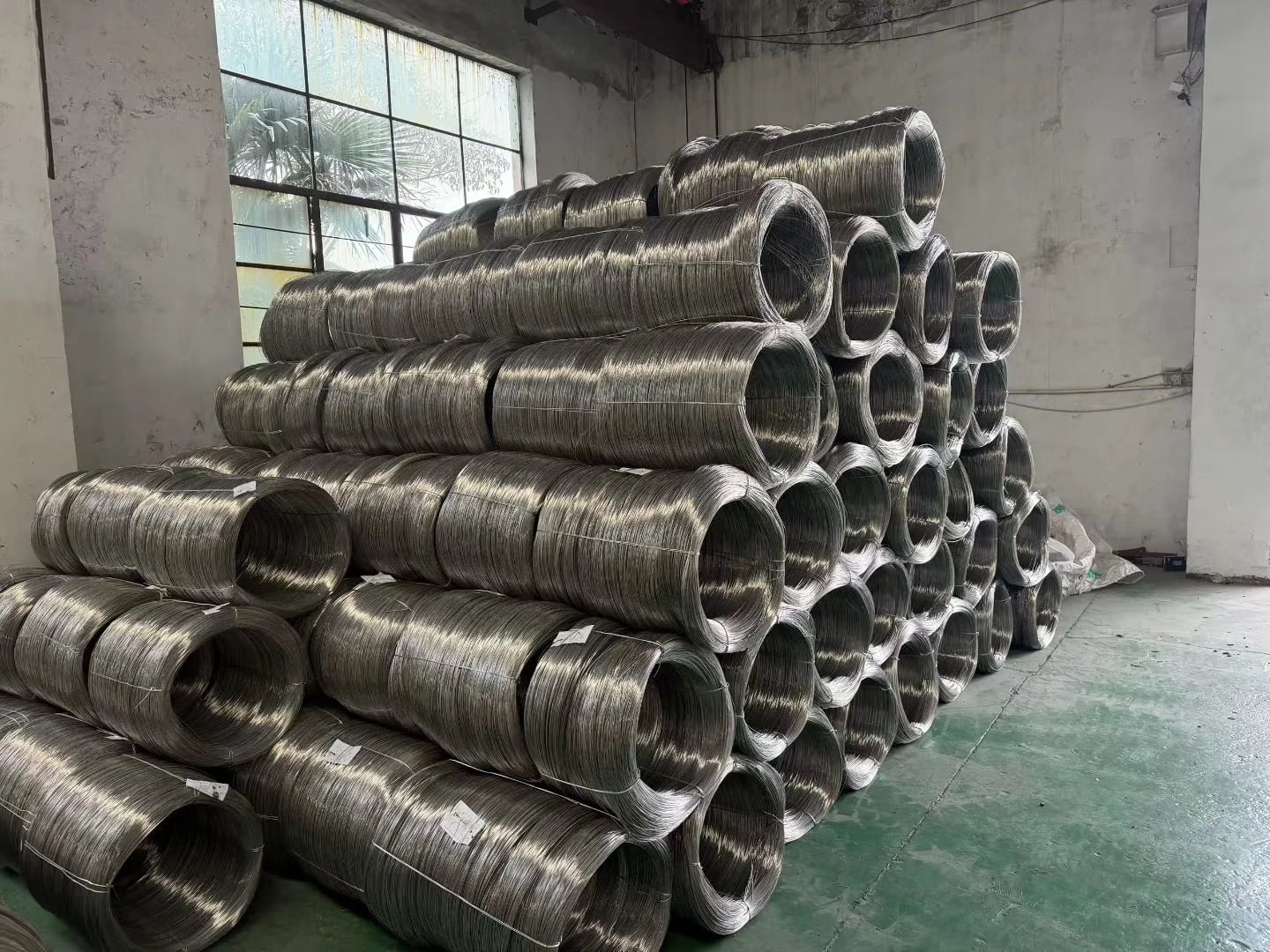
When a client wants to talk about stainless steel, the first question I always ask is, "Where will this product be used?" The answer changes everything. When my Kenyan client confirmed the project was in Nairobi, a lightbulb went on in my head. Nairobi is an inland city with a highland climate. It doesn't face the salty, humid air of a coastal city like Mombasa. This is a critical detail. The main job of stainless steel is to resist rust, which it does by forming a protective layer on its surface. While 304 stainless steel contains more nickel, giving it superior rust protection, that level of protection is simply overkill for Nairobi's environment. It's like wearing a heavy winter coat on a mild spring day. Our 201 stainless steel provides the perfect level of protection for these conditions, something we can prove with data from our factory's own performance tests. We showed the client that they didn't have to pay a premium for protection they didn't need.
Can Budget Constraints Actually Drive Smarter Material Decisions?
Facing a tight budget for a huge public works project? It often feels like you have to compromise on quality. But what if the budget forces you to find a more efficient, smarter choice instead?
Yes, absolutely. Budget constraints force a shift from choosing the "best" material to choosing the "best-fit" material. For Nairobi's fencing, this meant using 201 stainless steel. Its lower cost allowed the limited budget to fund a much larger area without sacrificing necessary performance.
As a working mom, I know a thing or two about stretching a budget to get the most value. I apply that same exact logic to my work. Public projects, like Nairobi’s city-wide greening initiative, have fixed budgets that must cover vast areas. In this situation, the cost difference between 201 and 304 stainless steel is not a small detail—it’s a game-changer. Especially when you factor in Kenya's import tariffs on building materials, which amplify the final cost. The money saved by choosing 201 isn't just a number on a spreadsheet. It translates directly into more miles of road that can be fenced and more green spaces that can be protected. This logic was the key to convincing our client. It wasn't about being cheap; it was about being smart and making the public's money go further.
Budget Impact: 201 SS vs. 304 SS (Illustrative)
| Metric | Using 304 Stainless Steel | Using 201 Stainless Steel | Outcome |
|---|---|---|---|
| Material Cost/Meter (Est.) | $1.30 | $1.00 | 201 SS is ~23% cheaper |
| Total Project Budget | $1,000,000 | $1,000,000 | Same budget |
| Total Fencing Coverage | ~769,000 meters | 1,000,000 meters | ~30% More Coverage with 201 SS |
This simple table showed the client how they could expand the impact of their project significantly, just by making a smarter material choice.
Why is High Hardness a Key Feature for Public Fencing?
Are you worried about your public fencing getting damaged or dented? Weak materials can lead to constant repairs and look worn out quickly. A harder material offers built-in strength and resilience.
High hardness is crucial for public fencing because it resists dents, scratches, and tampering. 201 stainless steel is naturally harder than 304, making it more durable for high-traffic municipal areas. This reduces long-term maintenance costs and keeps the infrastructure secure.
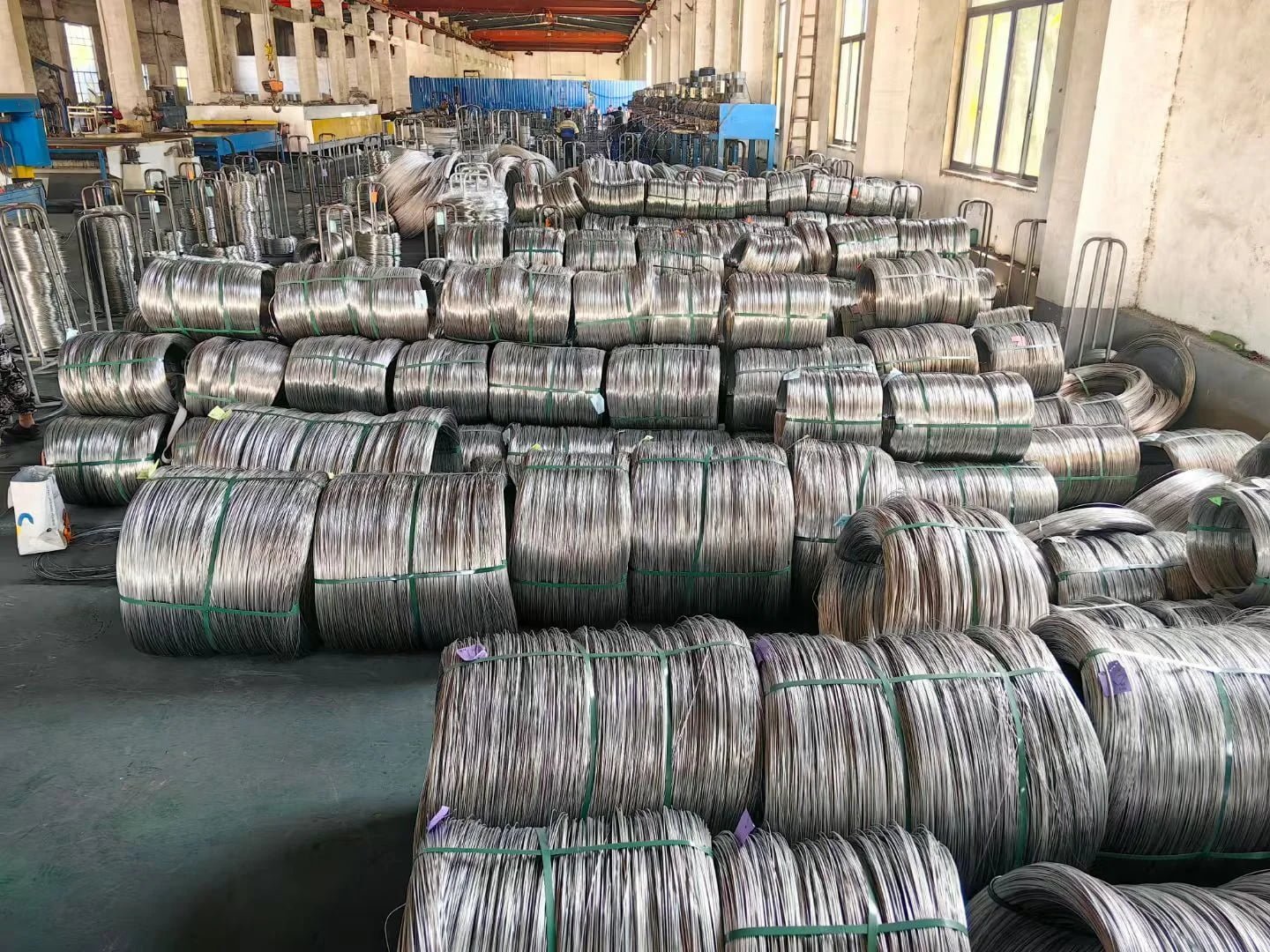
Public spaces take a beating. Fences along busy roadsides are exposed to everything from accidental bumps to general wear and tear. This is where the physical properties of the steel become just as important as its corrosion resistance. Thanks to its chemical makeup, 201 stainless steel is significantly harder and has a higher tensile strength than 304 steel. In our family's factory, which has over 25 years of production experience, we've seen firsthand how different materials hold up under stress. For the Nairobi project, we explained that this extra hardness wasn't just a technical specification. It was a practical benefit. It means the fences are less likely to get damaged, saving the city money on repairs and replacements down the road. The first trial products are already installed along Nairobi’s main roads, proving that this "high cost-performance" logic works in the real world. The fences look great, and they are built to last.
Conclusion
For Nairobi's urban upgrades, 201 stainless steel wire proved to be the smart, economical choice, delivering the right performance and maximizing the project's budget and overall impact.
FAQ
Q: Is 201 stainless steel wire suitable for Nairobi's high-altitude climate? A: Yes, Nairobi's moderate climate is ideal for 201 wire, providing excellent structural integrity and aesthetic finish for municipal projects without the high cost of 304.
Q: How does 201 wire help Kenyan contractors stay within budget? A: By offering superior tensile strength at a lower unit price, 201 wire allows contractors to cover larger infrastructure areas while managing the impact of local import taxes.
Q: What are the primary uses for this wire in Kenya's urban development? A: It is extensively used for road safety fencing, municipal greenery protection, and construction site reinforcement across major Kenyan cities.