

Zambia's mining sector expansion is creating steady demand for construction binding wire across the Copperbelt and Northwestern provinces. Understanding which wire types suit different mining applications helps contractors and wholesalers serve this growing market effectively. Here is what one Lusaka wholesaler observed as mining infrastructure projects multiplied.
Banda adjusted his inventory mix after seeing how mining projects consume both galvanized and black annealed wire. Buyers like him, who need reliable supply of construction binding wire for Zambia's expanding mining infrastructure, can find detailed specifications on our product page: https://mfgwiremesh.com/metal-wire/galvanized-iron-wire/
Zambia's copper mining sector is expanding fast. More mines means more infrastructure projects. Every new shaft needs steel structures. Every processing plant needs reinforcement work. And all of that requires binding wire.
Zambia produces over 800,000 tons of copper annually. Mining companies are investing billions in new infrastructure. This creates steady demand for binding wire used in concrete reinforcement, equipment installation, and temporary structures. Both galvanized and black annealed wire serve different construction needs across mining sites.
I started noticing this pattern three years ago. A contractor from Kitwe ordered 30 tons of black annealed wire for shaft reinforcement. He came back two months later for galvanized wire. The order sizes kept growing. Mining infrastructure never stops. Let me show you what drives this demand.
What Types of Binding Wire Do Mining Projects Actually Need?
Mining infrastructure uses two main types. Each serves specific purposes on site.
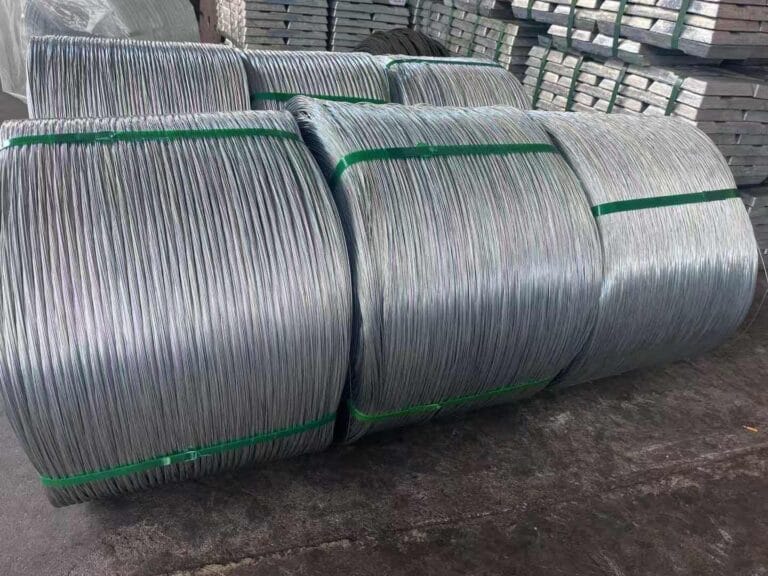
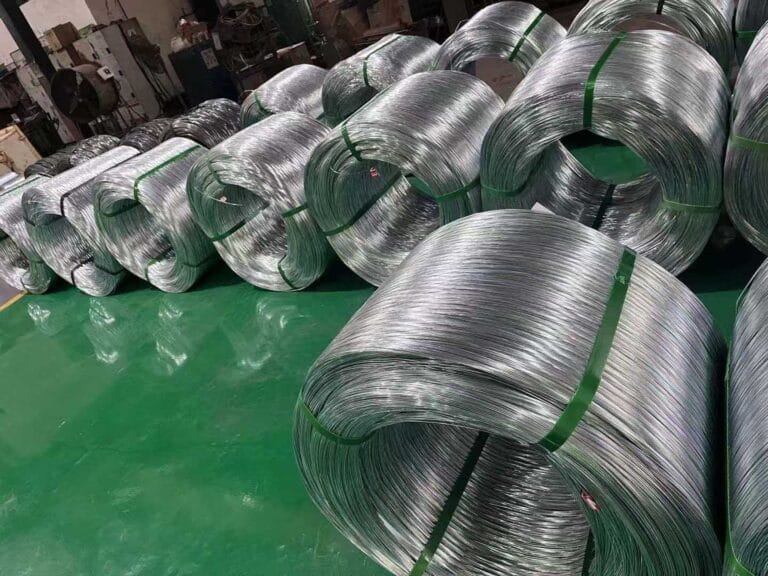
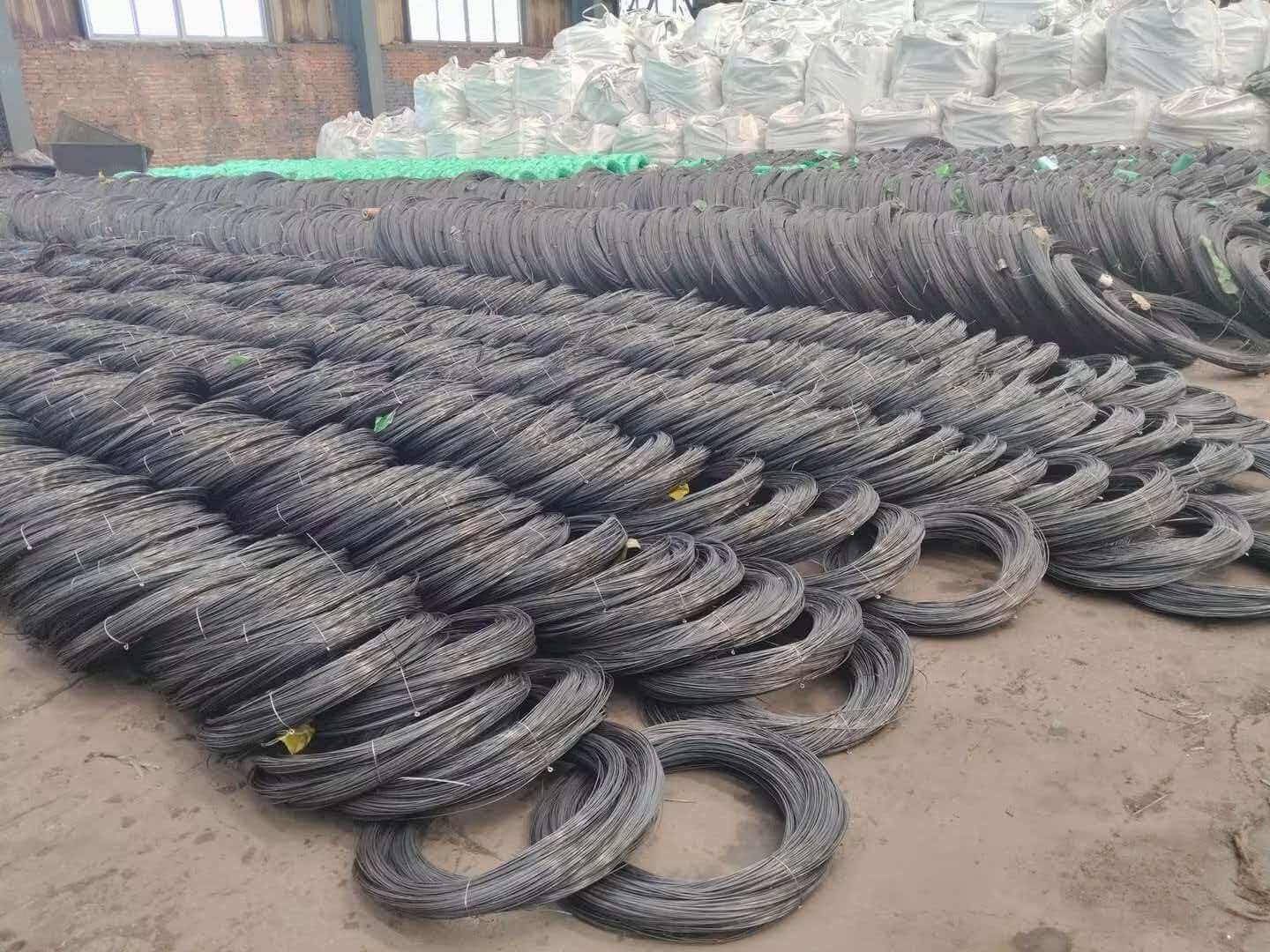
Mining projects use galvanized binding wire for outdoor structures and black annealed wire for underground work. Galvanized wire resists corrosion in processing plants and storage facilities. Black annealed wire offers better flexibility for tight spaces in shafts and tunnels.
The technical requirements differ from regular construction. Mining structures face harsher conditions. Processing plants have chemical exposure. Underground areas have high humidity. The wire needs to perform in these environments.
I learned this from a procurement manager at a Solwezi mine. He needed wire for a new concentrator building. The structure sat next to acid leaching tanks. Regular galvanized wire would corrode within months. We supplied 1.6mm galvanized wire with heavier zinc coating. The coating thickness made the difference.
| Application Type | Wire Diameter | Wire Type | Coating Requirement | Typical Usage Volume |
|---|---|---|---|---|
| Shaft reinforcement | 1.2-1.6mm | Black annealed | None | 50-80 kg per shaft section |
| Processing plant structures | 1.6-2.0mm | Galvanized | 40-60 g/m² zinc | 2-3 tons per plant |
| Equipment foundations | 2.0-2.5mm | Galvanized | 60-80 g/m² zinc | 1-2 tons per foundation |
| Temporary structures | 1.0-1.4mm | Black annealed | None | 30-50 kg per structure |
| Pipe rack installation | 1.4-1.8mm | Galvanized | 40-60 g/m² zinc | 0.5-1 ton per kilometer |
Underground work favors black annealed wire. The wire bends easily around rebar in confined spaces. Workers tie reinforcement cages for shaft liners. The wire needs to flex without breaking. Galvanized wire would crack under repeated bending. Black annealed wire stays ductile.
Surface structures require corrosion protection. Processing plants run 24/7. Sulfur dioxide from smelters attacks metal surfaces. Galvanized wire forms a protective barrier. The zinc coating sacrifices itself to protect the steel core. This extends the structure's service life.
Wire diameter depends on the load. Foundation work uses thicker wire. Light framing uses thinner gauges. Mining contractors know these requirements. They specify wire types in their material lists. Getting the specification right matters for safety approvals.
How Do Mining Project Timelines Affect Wire Procurement?
Mining projects follow strict schedules. Delays cost thousands per day. Wire supply must align with construction phases.
Mining contractors order binding wire 30-60 days before use. Lead time includes production, shipping, and customs clearance. Projects stock 2-3 weeks of wire on site. Just-in-time delivery reduces storage but requires reliable suppliers.
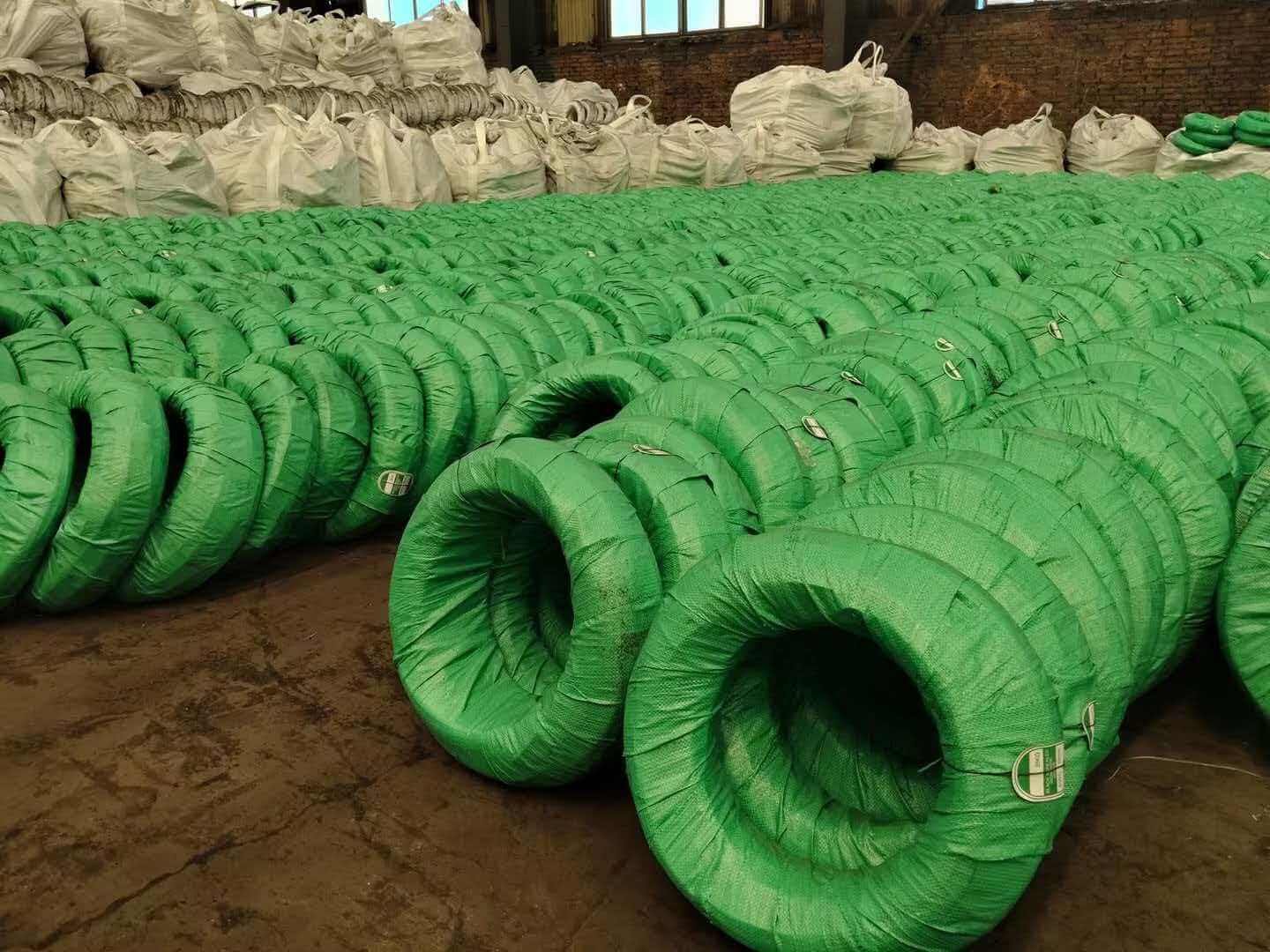
The procurement cycle starts with the construction schedule. Project managers break down work packages. Each package lists material requirements. Binding wire appears in multiple packages across different phases.
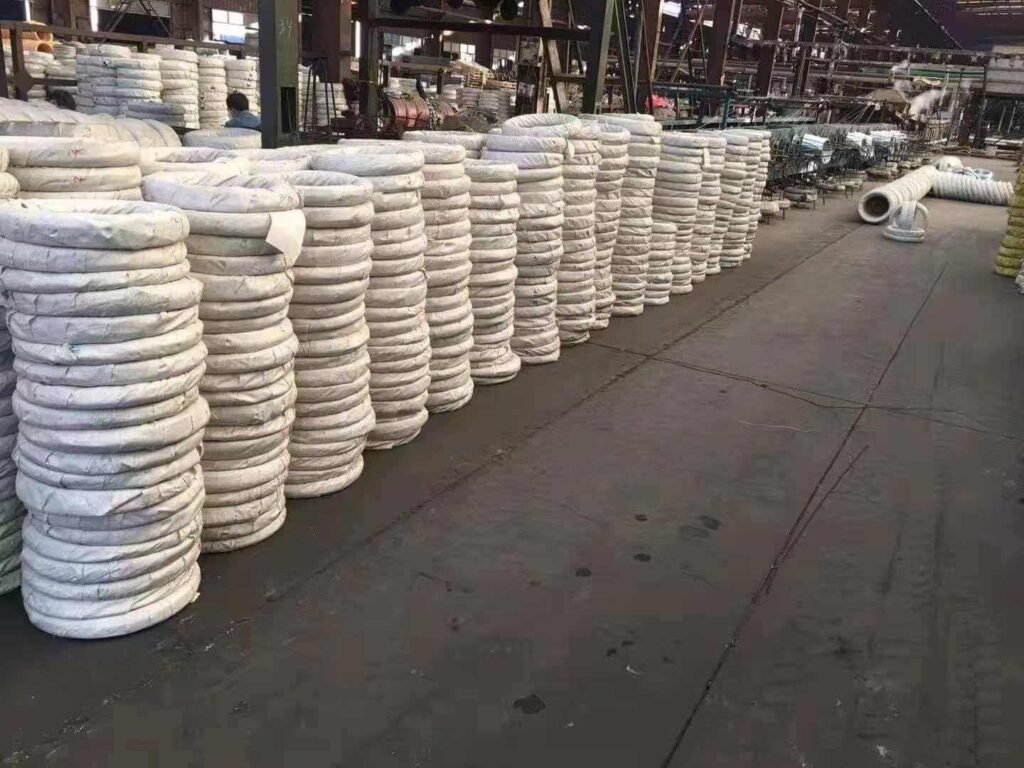
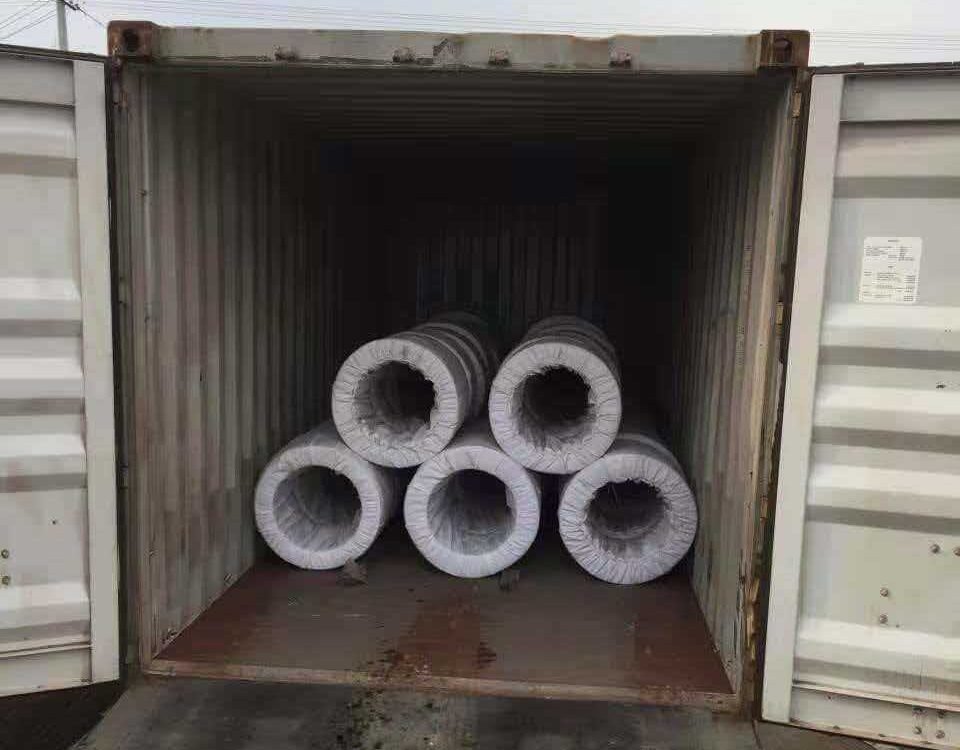
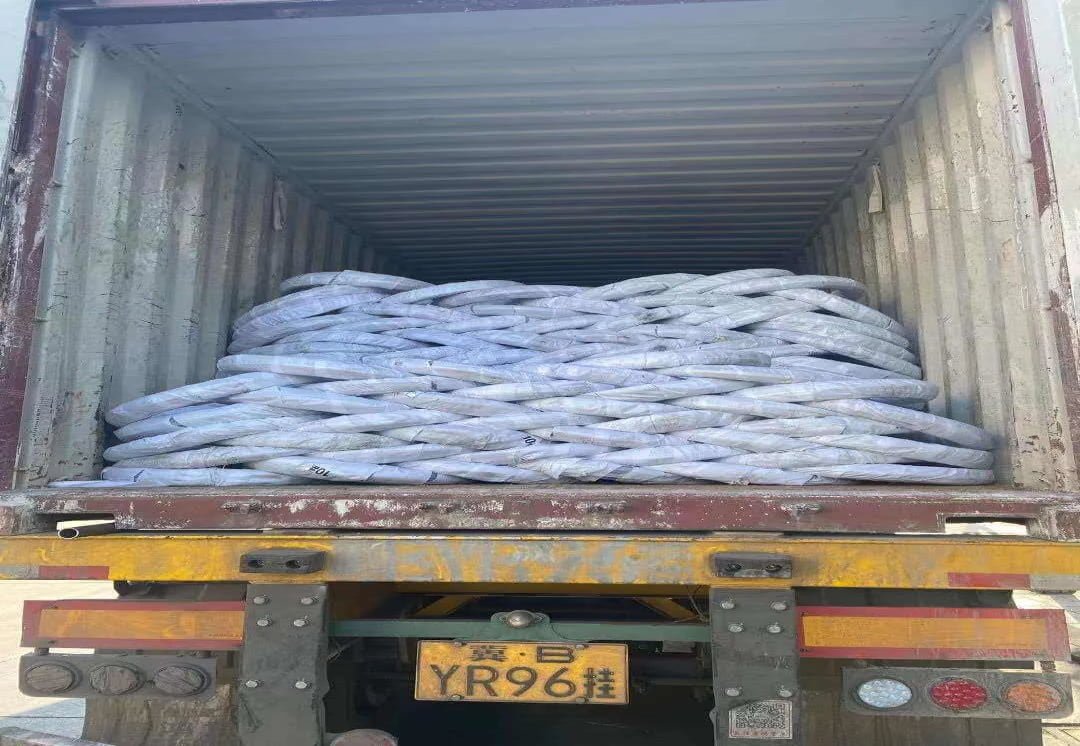
Foundation work comes first. Contractors order heavy gauge galvanized wire. They need it before concrete work starts. The wire arrives in containers. Each container holds 20-25 tons depending on coil size. The shipment clears customs. Trucks haul it to site.
A procurement officer from Chingola taught me about buffer stock. His company maintains 15 days of wire inventory. The buffer covers delays in shipping or customs. Mining projects cannot stop for missing materials. The penalty clauses in contracts are severe. Having extra stock costs less than project delays.
| Phase | Days Before Use | Activity | Critical Checkpoints |
|---|---|---|---|
| Planning | 60-90 | Review specifications, request quotes | Technical requirements confirmed |
| Ordering | 45-60 | Place purchase order, confirm production | Production slot secured |
| Production | 30-45 | Wire manufacturing and quality testing | MTC certificate issued |
| Shipping | 20-30 | Sea freight to Dar es Salaam/Mombasa | Container loaded and shipped |
| Transit | 10-20 | Overland transport to Zambia | Border clearance completed |
| Delivery | 5-10 | Final mile to project site | Material inspection passed |
Different project phases need different wire types. Structural work uses galvanized wire. Mechanical installation switches to black annealed. The supply chain must deliver the right product at the right time. This requires coordination between supplier and contractor.
Some contractors consolidate shipments. They order both wire types together. One container holds galvanized coils. Another holds black annealed coils. The containers travel together. This reduces freight costs per ton. It also simplifies customs clearance.
Weather affects the schedule during rainy season. Roads to remote mines become difficult. Contractors front-load deliveries before rains start. They build up larger stockpiles. The extra inventory carries them through the wet months. This pattern repeats annually.
Why Does Wire Quality Matter More in Mining Than Regular Construction?
Mining structures face extreme conditions. Wire failure can compromise safety. Quality control prevents problems.
Mining projects require binding wire with consistent tensile strength and uniform coating. Substandard wire breaks during installation or corrodes faster than expected. This creates safety risks and increases maintenance costs. Quality certificates and material test reports are mandatory.
I have seen what happens with poor quality wire. A contractor in Ndola bought cheap wire from a local trader. The wire broke during rebar tying. Workers had to redo sections of reinforcement cage. This delayed concrete pouring by three days. The contractor paid penalties to the mine owner.
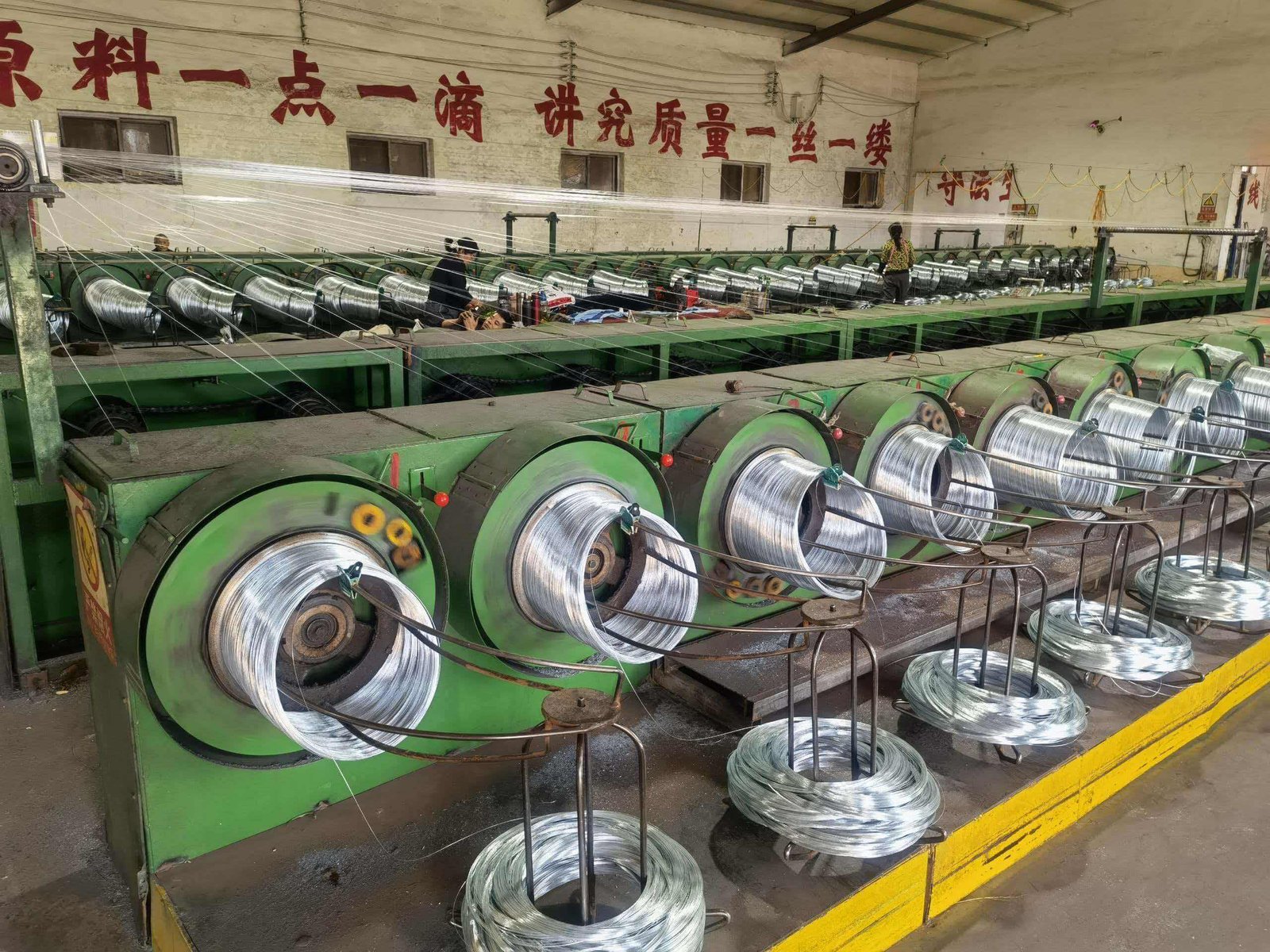
Quality starts with raw material. Good binding wire uses low carbon steel. The carbon content affects ductility. Too much carbon makes wire brittle. It snaps under stress. The steel wire rod must meet specific chemistry standards. Chinese wire producers follow GB/T 701 for low carbon steel. This ensures consistent performance.
| Parameter | Galvanized Wire Standard | Black Annealed Wire Standard | Testing Method | Acceptance Criteria |
|---|---|---|---|---|
| Tensile strength | 350-550 MPa (Megapascals) | 280-380 MPa | ASTM A641 | Must meet spec range |
| Elongation | ≥8% | ≥15% | ASTM A641 | Higher is better |
| Zinc coating weight | 40-80 g/m² | N/A | ASTM A641 | Uniform coverage |
| Surface quality | No cracks or peeling | No rust or pits | Visual inspection | Zero major defects |
| Diameter tolerance | ±0.02mm | ±0.02mm | Micrometer | Within tolerance |
Galvanizing quality determines corrosion resistance. The zinc coating must be uniform. Thin spots corrode first. Standard galvanized wire has 40-60 grams of zinc per square meter. Heavy duty applications need 60-80 grams. Mining projects specify coating weight in purchase orders.
Annealing affects black wire properties. Proper annealing makes wire soft and bendable. Under-annealed wire stays hard. It breaks when workers tie knots. Over-annealing makes wire too soft. It stretches and loses grip. The annealing temperature and cooling rate must be controlled.
Testing certificates prove quality. Every batch needs an MTC (Material Test Certificate). The MTC lists chemical composition and mechanical properties. It shows the test results. Mining contractors verify certificates before accepting delivery. Some mines require third party testing. SGS or Intertek inspects the wire at origin. This adds cost but ensures quality.
I always provide MTCs with shipments. The certificate includes batch number and production date. If any problem occurs, we can trace it back to the production lot. This traceability matters for quality control. Mining companies keep these records for years.
What Storage and Handling Practices Protect Wire Quality on Site?
Wire arrives on site weeks before use. Proper storage prevents quality degradation. Mining sites have harsh environments.
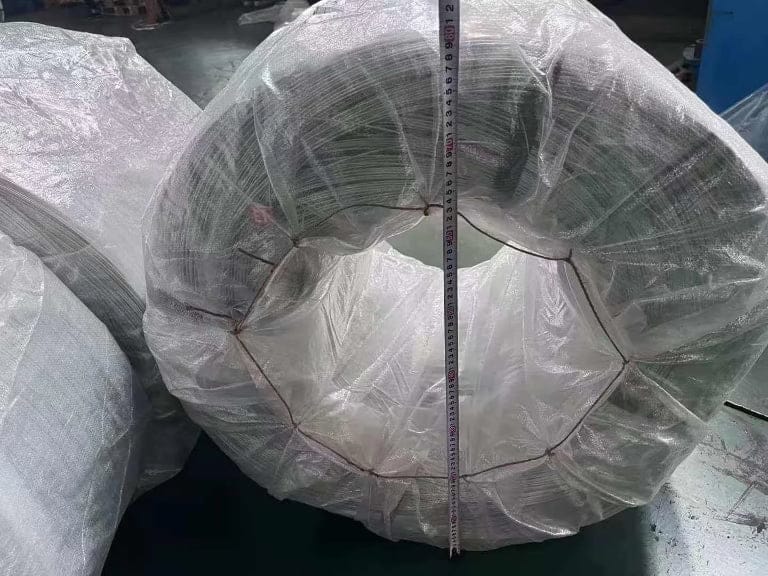
Mining sites must store binding wire under cover with proper ventilation. Galvanized wire needs protection from moisture to prevent white rust. Black annealed wire requires oil coating to prevent oxidation. Proper handling reduces waste and maintains wire properties.
I learned storage best practices from a site manager in Lumwana. His warehouse kept wire dry and organized. Each coil type had its own section. The warehouse had concrete floor and metal roof. No direct sunlight hit the coils. Air circulated through side vents.
Galvanized wire develops white rust in damp conditions. White rust looks like white powder on the surface. It forms when zinc reacts with moisture and carbon dioxide. The rust does not damage the core wire. But it looks bad. Customers complain. Storing wire under cover prevents this problem.
| Wire Type | Storage Environment | Humidity Control | Packaging Protection | Shelf Life |
|---|---|---|---|---|
| Galvanized wire | Covered warehouse | <70% RH (Relative Humidity) | Plastic wrap or paper | 12 months |
| Black annealed wire | Covered warehouse | <60% RH | Oil coating + plastic | 6 months |
| Both types | Elevated platform | Good ventilation | Keep wrapping intact | As specified |
Black annealed wire needs oil coating. The oil film blocks oxygen contact. Without oil, the wire rusts quickly. Zambia's rainy season makes this worse. Humidity stays above 70 percent for months. Light oil coating extends storage life from weeks to months.
Coil handling matters too. Workers drop coils during unloading. The impact can break wire strands. Kinked wire is harder to use. It tangles and wastes time. Training workers on proper handling reduces these problems. Using forklifts instead of manual handling prevents damage.
Some contractors repackage wire for site distribution. They break down large coils into smaller bundles. Each bundle holds enough wire for one day's work. This reduces handling of the main coil. It also makes inventory counting easier. The repackaging happens in a covered area. This maintains protection until use.
Stack height affects the bottom coils. Stacking too high compresses lower coils. The wire deforms slightly. This makes unwinding harder. Most sites limit stack height to four coils. They use wooden pallets as dividers. This spreads the weight and protects the coils.
Conclusion
Zambia's mining boom drives steady binding wire demand. Quality matters more than price when safety is critical. Getting the right wire to site on time keeps projects moving.
We provide full MTC (Mill Test Certificate) and Certificate of Origin with every shipment.
We provide a full range of construction binding wire for African projects. Galvanized Iron Wire: https://mfgwiremesh.com/metal-wire/galvanized-iron-wire/ Black Annealed Iron Wire: https://mfgwiremesh.com/metal-wire/black-annealed-iron-wire/ 201 Stainless Steel Wire: https://mfgwiremesh.com/metal-wire/201-stainless-steel-wire/ Mix container loading supported.
If you are sourcing construction binding wire for Zambia or any African market, we are happy to provide a specification-based quotation. Contact us via WhatsApp: +86 15383180672.
FAQ:
Q1: Choosing the right binding wire type for Zambia's mining construction projects.
A1: Mining projects use galvanized binding wire for outdoor structures like processing plants and storage facilities, where zinc coating at 40-60 g/m² provides corrosion protection against chemicals and weather. Black annealed wire serves underground work in shafts and tunnels, where its superior flexibility allows easier hand-tying in confined spaces. Foundation work requires thicker 2.0-2.5mm galvanized wire, while temporary structures can use thinner 1.0-1.4mm black annealed wire.
Q2: Managing binding wire procurement timelines for mining infrastructure.
A2: Mining contractors typically order binding wire 30-60 days before use, accounting for production, sea freight to Dar es Salaam or Mombasa, overland transport to Zambia, and customs clearance. Projects maintain 2-3 weeks of buffer stock on site to cover shipping delays or unexpected demand. Contractors often consolidate galvanized and black annealed wire in the same shipment to reduce freight costs and simplify customs procedures.
Q3: Quality requirements for binding wire used in mining projects.
A3: Mining projects require binding wire with consistent tensile strength, uniform zinc coating for galvanized wire, and proper annealing for black annealed wire. Every batch must come with an MTC (Material Test Certificate) showing chemical composition and mechanical properties. Some mines require third-party inspection from SGS or Intertek before shipment. Poor quality wire that breaks during installation or corrodes prematurely creates safety risks and project delays that cost far more than the wire itself.