


Malawi's construction landscape is evolving, driven by agricultural processing upgrades and lakeside tourism development. For importers of 201 stainless steel wire, these two trends are creating steady, sustainable demand. Here is what a Lilongwe wholesaler is seeing on the ground.
Chimwemwe has been supplying building materials in Malawi for five years. Buyers like him, who need to anticipate market shifts and secure consistent supply, can find detailed specifications and ready stock information on our product page: https://mfgwiremesh.com/metal-wire/201-stainless-steel-wire/.
Struggling to pinpoint real growth opportunities in emerging markets? You could be overlooking key trends. A recent purchasing plan from my client in Malawi shows exactly where the demand is.
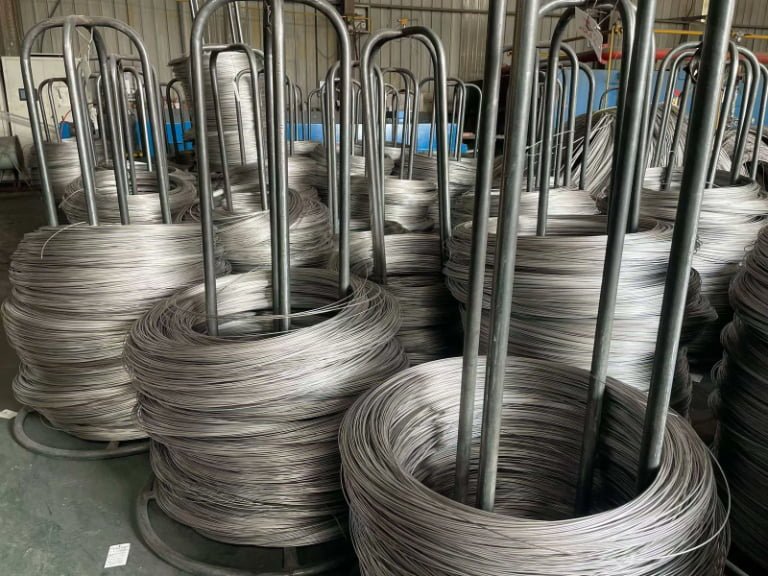
The rising demand for 201 stainless steel wire in Malawi is driven by two key sectors: agricultural facility upgrades and tourism construction. In these high-humidity environments, its superior rust resistance makes it the preferred replacement for traditional galvanized wire, ensuring durability and longevity for new projects.
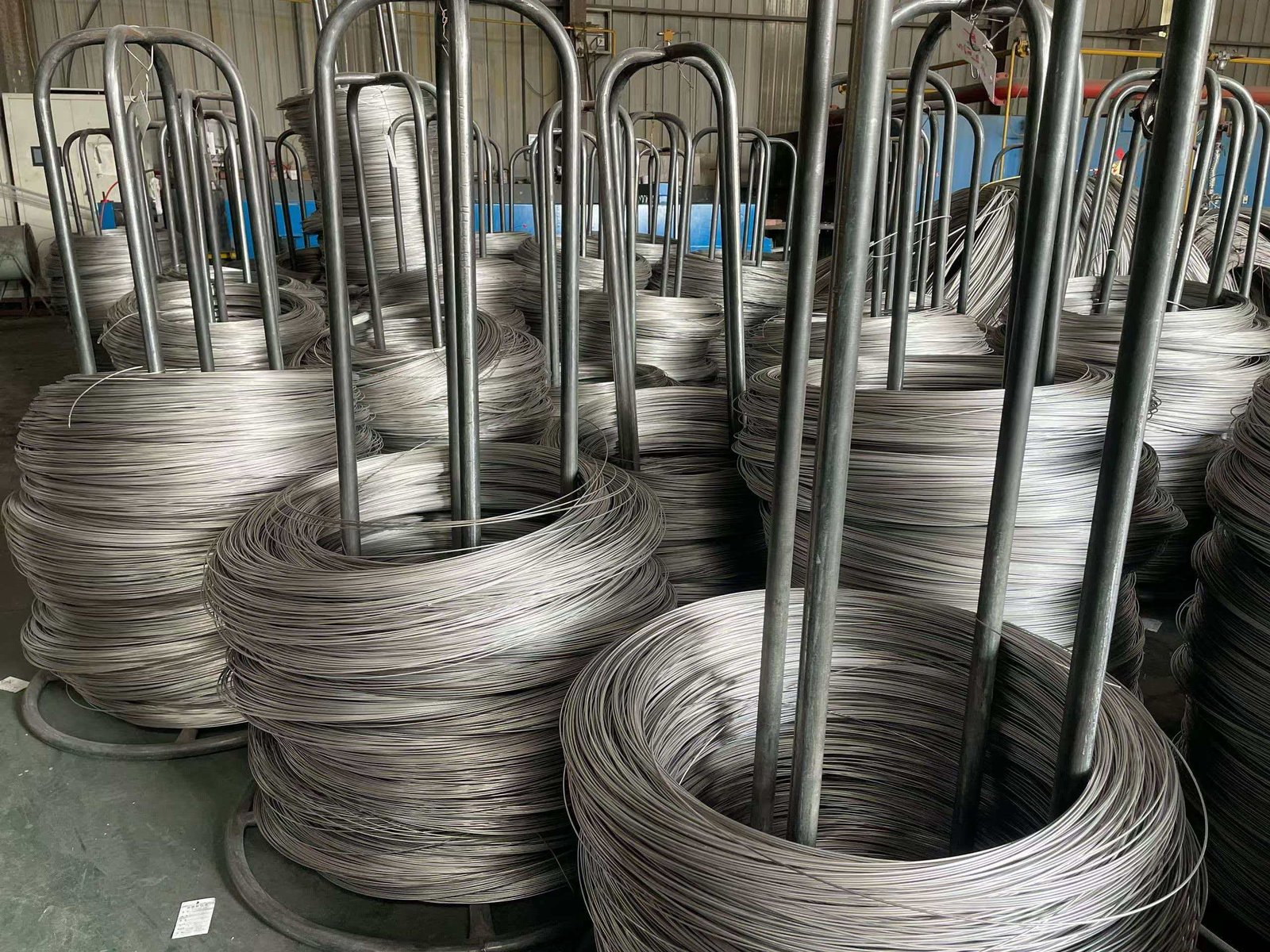
Last month, Chimwemwe, a building materials wholesaler in Lilongwe, sent me his purchasing plan for next year. His estimated order volume was up by 30%. I was curious and asked him how he calculated that number. He told me he didn't calculate it; he saw it by visiting construction sites. Chimwemwe has been in the business for five years, and his judgment on the Malawi market has always been practical and sharp. He explained that two major changes happening in Malawi's infrastructure are directly pulling the demand for 201 stainless steel wire. Let's look at what he's seeing on the ground.
How are agricultural upgrades boosting stainless steel wire sales?
Using traditional materials like galvanized wire in modern agricultural buildings? This often leads to rust, structural weakness, and costly replacements, especially in humid environments. The solution is moving to durable materials.
Modern agricultural facilities, especially for tobacco curing, create high-heat and high-humidity environments. Galvanized wire rusts quickly here, compromising structures. As a result, contractors now specify 201 stainless steel wire for its corrosion resistance, ensuring the integrity and long life of these essential buildings.
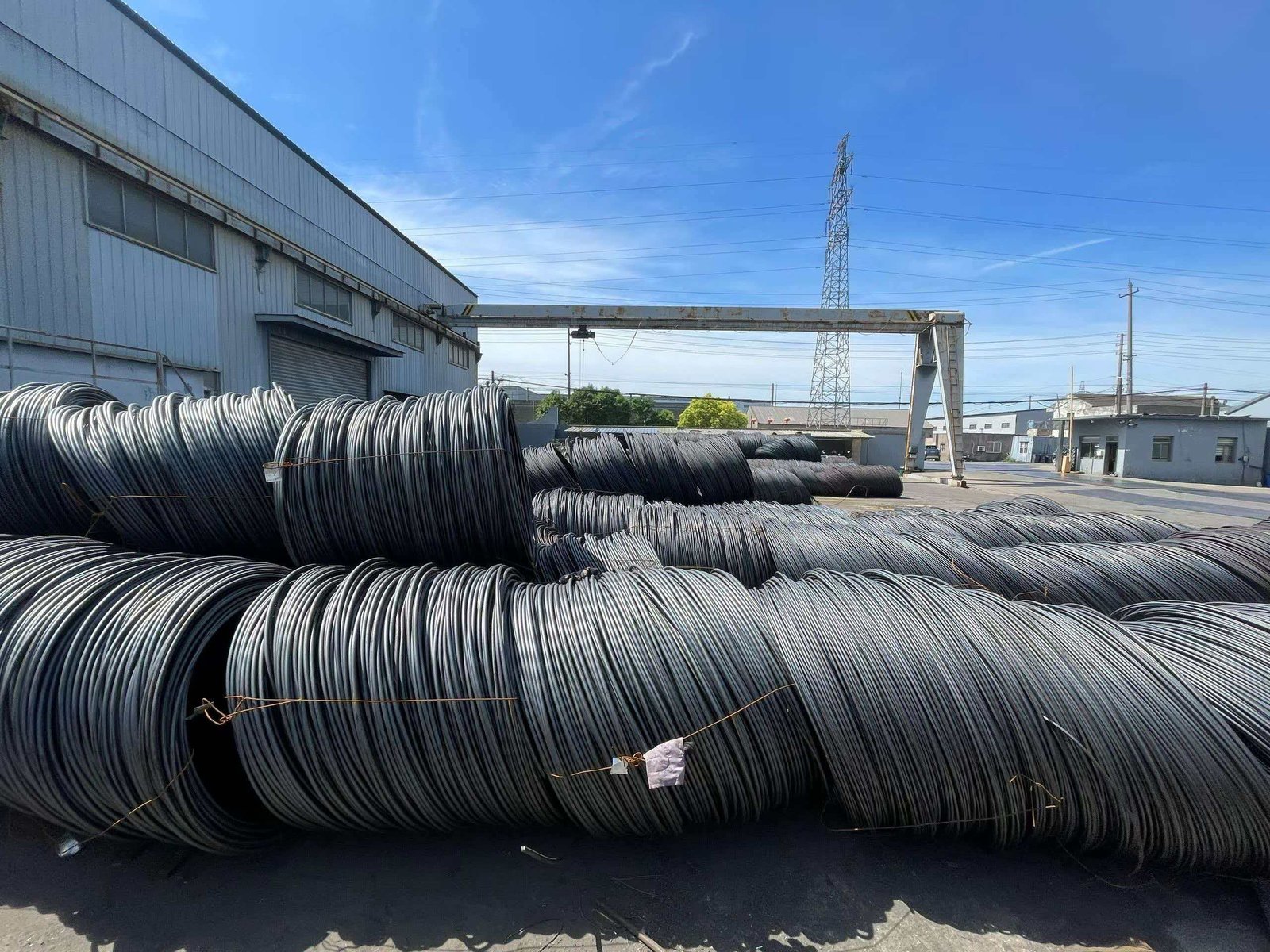
Chimwemwe told me the first big change is the upgrading of agricultural processing facilities. Malawi is an agricultural nation, with tobacco, tea, and sugar as its main exports. Recently, many processing plants have been shifting from traditional sun-drying to mechanized drying and climate-controlled storage. He mentioned he recently supplied materials for two modern tobacco curing barns. The tying wire for these projects had to be 201 stainless steel wire. Inside these barns, the temperature and humidity are very high. Galvanized wire would start to rust in just a few months in such conditions. One contractor tried it once and refuses to use it again. Chimwemwe said this agricultural processing market was not given much attention before, but now it has become his fastest-growing customer group. The cost-effective corrosion resistance of 201 stainless steel makes it a perfect fit.
Material Performance in Tobacco Curing Barns
| Feature | Galvanized Wire | 201 Stainless Steel Wire |
|---|---|---|
| Environment | High Heat & Humidity | High Heat & Humidity |
| Corrosion | Rust appears in months | Resists rust for years |
| Lifespan | Short, requires replacement | Long, reduces maintenance |
| Contractor Choice | Avoided after initial failure | Specified in new projects |
Why is Lake Malawi's tourism boom driving demand for stainless steel?
Building near water is tough. The humid, corrosive air causes materials like galvanized wire to fail quickly, leading to ugly rust stains that ruin a new building's appearance.
The humid air around Lake Malawi causes galvanized tying wire to rust in just a few years, staining the facades of hotels and resorts. To protect their investments and maintain a pristine look, developers now specify 201 stainless steel wire in their building contracts.
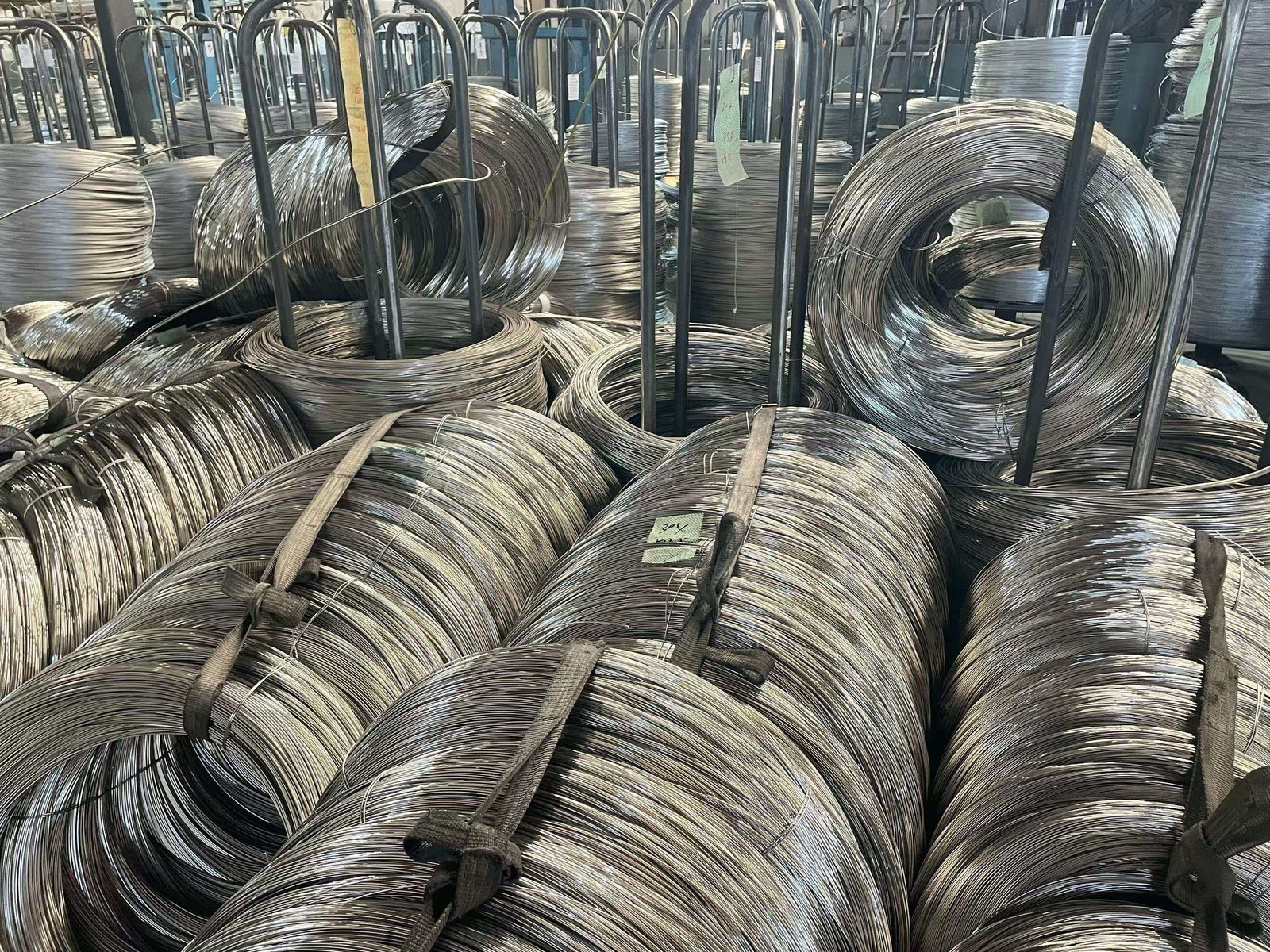
The second change is the expansion of tourism facilities around Lake Malawi. Investment in hotels and resorts along the lake has clearly increased over the past few years. The air near the lake is very humid. While the salt content isn't as high as near the ocean, the air is still much more corrosive than inland. In the past, these projects used galvanized wire. After two or three years, rust stains would bleed through the walls, ruining the hotel's appearance. Now, the bid documents for new projects directly specify stainless steel tying wire. Chimwemwe mentioned that he has already secured three supply contracts this year just for projects in the two lakeside towns of Salima and Mangochi. This shows a clear shift in material standards to ensure longevity and protect the long-term value of these tourism investments.
Tying Wire Cost Analysis for Lakeside Construction
| Factor | Galvanized Wire | 201 Stainless Steel Wire |
|---|---|---|
| Initial Cost | Low | Higher |
| Lifespan | 2-3 years before rust stains | 10+ years |
| Maintenance | Frequent repainting/repairs | Minimal |
| Long-Term Value | Low (degrades property look) | High (preserves appearance) |
Conclusion
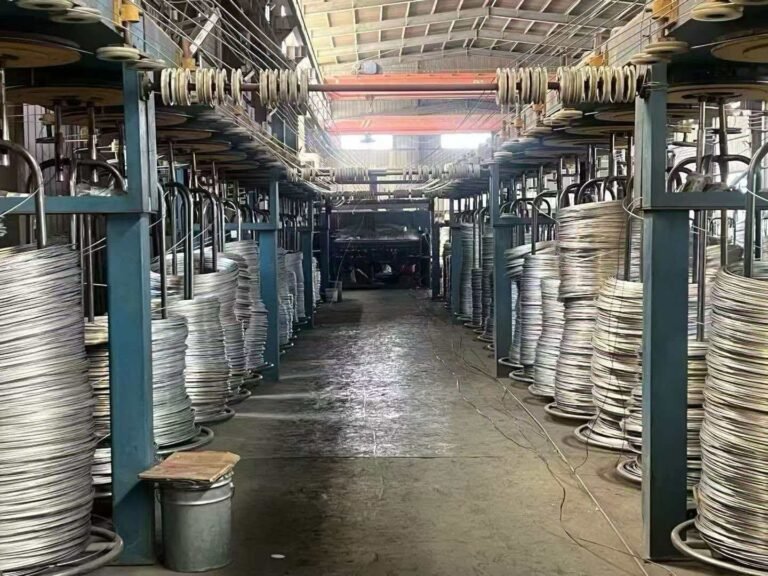
Chimwemwe told me his 30% increase is a conservative estimate. His only concern now is whether the supply can keep up. I assured him that with ten production lines, we have plenty of stock. You just focus on taking orders.
Chimwemwe's annual forecast is up 30 percent, and he says that number is conservative. Read more Malawi market analysis on our blog https://mfgwiremesh.com/blog/ or reach out via https://mfgwiremesh.com/contact/.
If you are sourcing 201 stainless steel wire for Malawi or any Southern African market, we are happy to provide a specification-based quotation. Contact us via WhatsApp: +86 15383180672.
FAQ:
Q1: What is driving the growth in Malawi's demand for 201 stainless steel wire? A1: Two structural factors are driving demand. First, agricultural processing facilities are upgrading from traditional drying methods to mechanized curing and temperature-controlled storage. Tobacco curing barns, in particular, have high internal temperatures and humidity that rapidly corrode galvanized wire. Chimwemwe has supplied 201 stainless steel wire to two tobacco company projects where contractors specified stainless steel after a single failed experience with galvanized wire. Second, lakeside tourism development along Lake Malawi is accelerating, with new hotels and resorts requiring rust-free binding wire for construction in the humid lakeshore environment.
Q2: Why is Malawi's agricultural processing sector switching to 201 stainless steel wire? A2: Tobacco, tea, and sugar processing facilities are upgrading their infrastructure, and the internal environments of curing barns and processing sheds are far more demanding than standard construction. High temperatures combined with humidity from the curing process cause galvanized wire to rust within months. Contractors who initially used galvanized wire on these projects experienced rapid rust-related failures and now specify 201 stainless steel wire exclusively. Chimwemwe identifies this sector as his fastest-growing customer segment.
Q3: How is Lake Malawi tourism development affecting demand for 201 stainless steel wire? A3: Hotel and resort construction along Lake Malawi is increasing, particularly in Salima and Mangochi. The lakeshore environment has humidity levels and air corrosion potential significantly higher than inland areas. Projects previously using galvanized wire experienced rust stains bleeding through wall surfaces within two to three years, affecting hotel appearance. New project tenders now explicitly specify stainless steel binding wire. Chimwemwe has already secured three supply contracts for lakeside projects this year.