


Chimwemwe lost an entire batch of galvanized binding wire last year because of a small roof leak he did not catch in time. The customer refused delivery when they saw water stains on the packaging. That loss pushed him to reorganize his entire storage system. Buyers like him, who need reliable quality from properly stored construction binding wire, can find detailed specifications on our product page: https://mfgwiremesh.com/metal-wire/galvanized-iron-wire/
Every building materials wholesaler in Lilongwe faces the same challenge during the rainy season. You stock up on binding wire, then watch moisture damage destroy coils that sat too long in the wrong conditions. I learned this lesson from Chimwemwe, a wholesaler who turned his storage losses around with simple but effective changes.
Malawi's rainy season runs from November to April, creating six months of high humidity that threatens binding wire storage. Galvanized wire develops white rust on zinc coating when exposed to moisture, while black annealed wire rusts even faster because it lacks protective coating. Proper storage on raised pallets, separation by wire type, and weekly inspections during wet months prevent most storage losses.
Chimwemwe's mistake was not complicated. He stacked new coils in a corner without checking the roof above them. Two weeks of rain later, water seeped through and damaged the bottom layers. That loss pushed him to reorganize everything.
Why Does Moisture Damage Binding Wire So Quickly in Malawi?
I used to think binding wire was tough enough to handle some moisture. Chimwemwe showed me otherwise. The damage happens faster than most wholesalers expect.
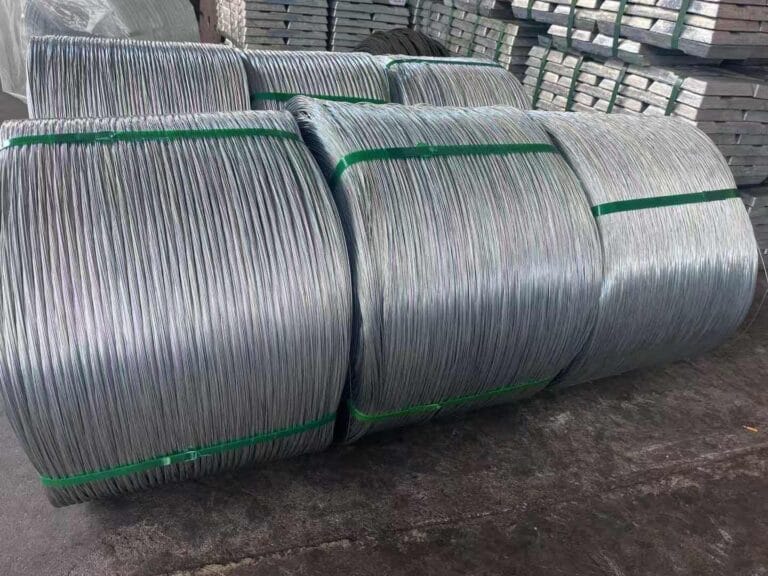
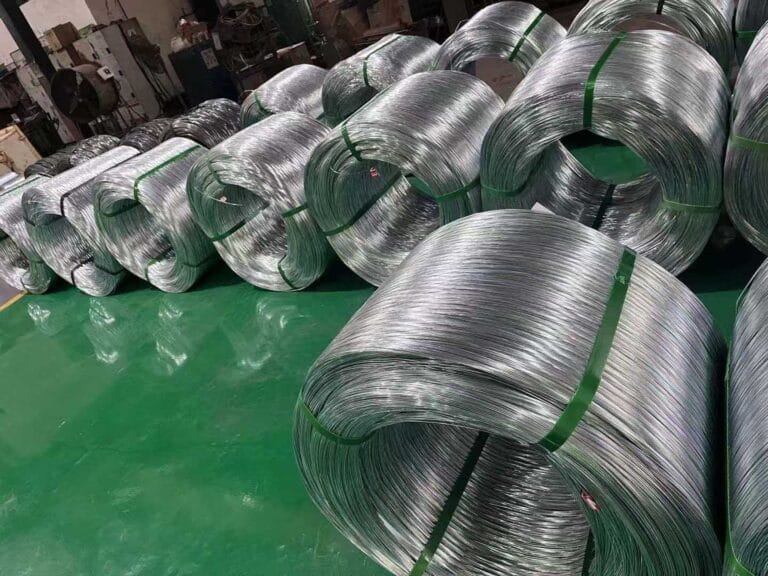
Zinc coating on galvanized wire reacts with moisture to form zinc oxide, appearing as white powder on the surface. This process accelerates in Malawi's 70-80% humidity levels. Black annealed wire has no protective coating at all, so the bare steel surface begins rusting within days of moisture contact.
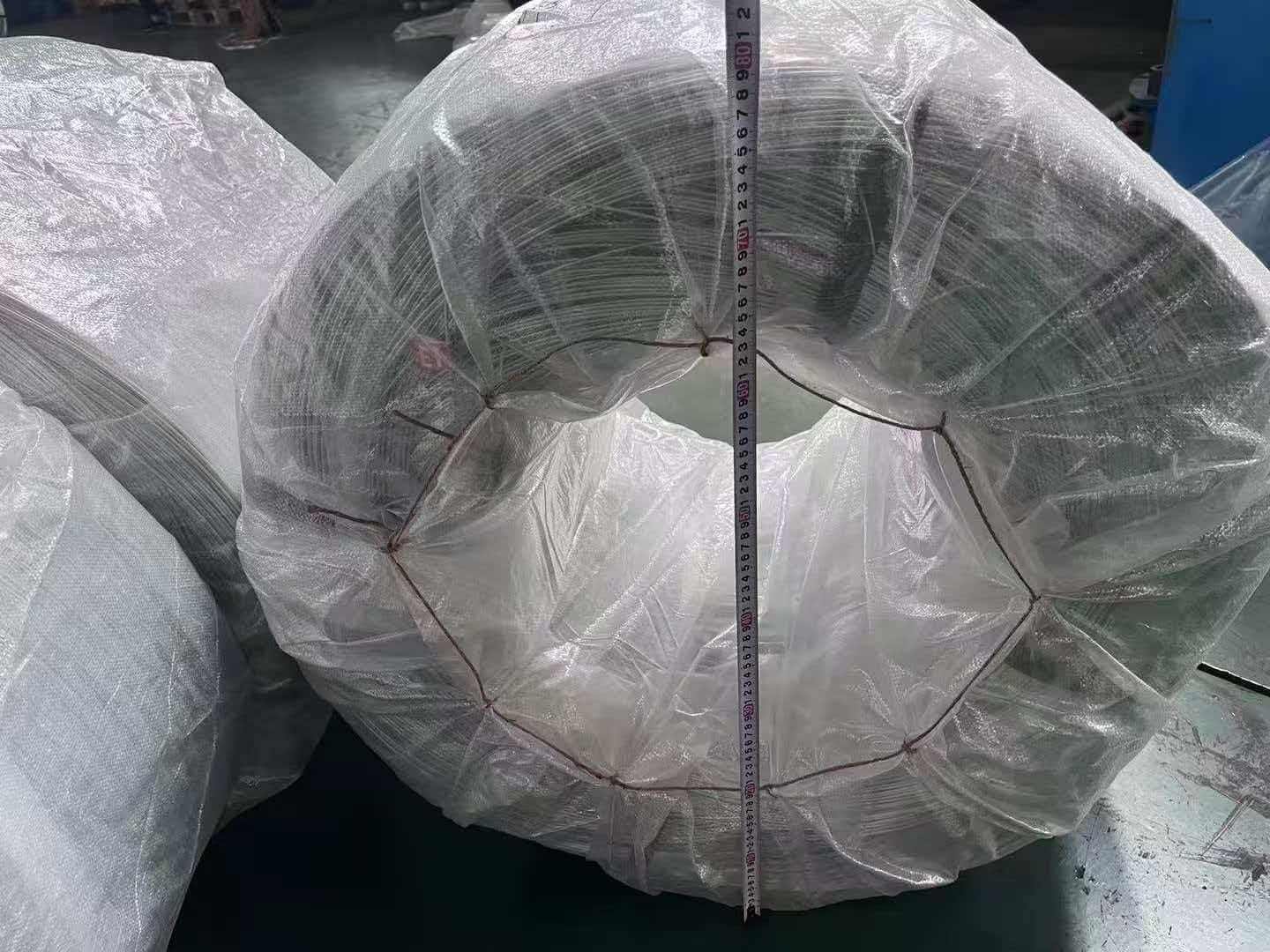
The chemistry is straightforward. Zinc coating protects steel by sacrificing itself. When moisture sits on the wire surface, the zinc reacts first. This forms a white or gray powder called white rust. The coating thins in that spot. If moisture stays in contact, the zinc eventually exposes bare steel underneath.
Chimwemwe showed me the damaged batch. The bottom coils sat directly on concrete floor. Moisture wicked up from the ground through the packaging. Within two weeks during rainy season, white rust covered the wire surface. The zinc coating was compromised. Customers would not accept wire that looked oxidized, even though the steel core remained sound.
Black annealed wire suffers worse. No protective coating means the steel surface reacts directly with moisture. Orange rust spots appear within 48 hours of water contact. Chimwemwe lost several coils of black annealed wire that got splashed during a storm. The warehouse door had a gap at the bottom. Rain drove in sideways and soaked the nearest pallet.
Here is how quickly damage develops under different conditions:
| Wire Type | Dry Storage | High Humidity (70%+) | Direct Water Contact | Outdoor Exposure |
|---|---|---|---|---|
| Galvanized | 6+ months | 2-3 months before white rust | 1-2 weeks before visible damage | 4-8 weeks before coating failure |
| Black Annealed | 3-4 months | 3-4 weeks before rust spots | 2-3 days before rust appears | 1-2 weeks before unusable |
Temperature changes make the problem worse. Malawi's days are warm and nights cooler. This cycle creates condensation. Metal wire stays cold from the night while daytime air warms up. Moisture condenses on the cold metal surface, just like water droplets form on a cold drink glass. This happens even in covered storage.
Chimwemwe now monitors his warehouse temperature and humidity. He installed simple thermometers and humidity gauges. When humidity stays above 70% for consecutive days, he increases inspection frequency from weekly to daily.
What Storage Setup Actually Works During Malawi's Rainy Season?
Chimwemwe redesigned his warehouse layout after the roof leak incident. He did not spend much money. Most changes involved reorganizing what he already had.
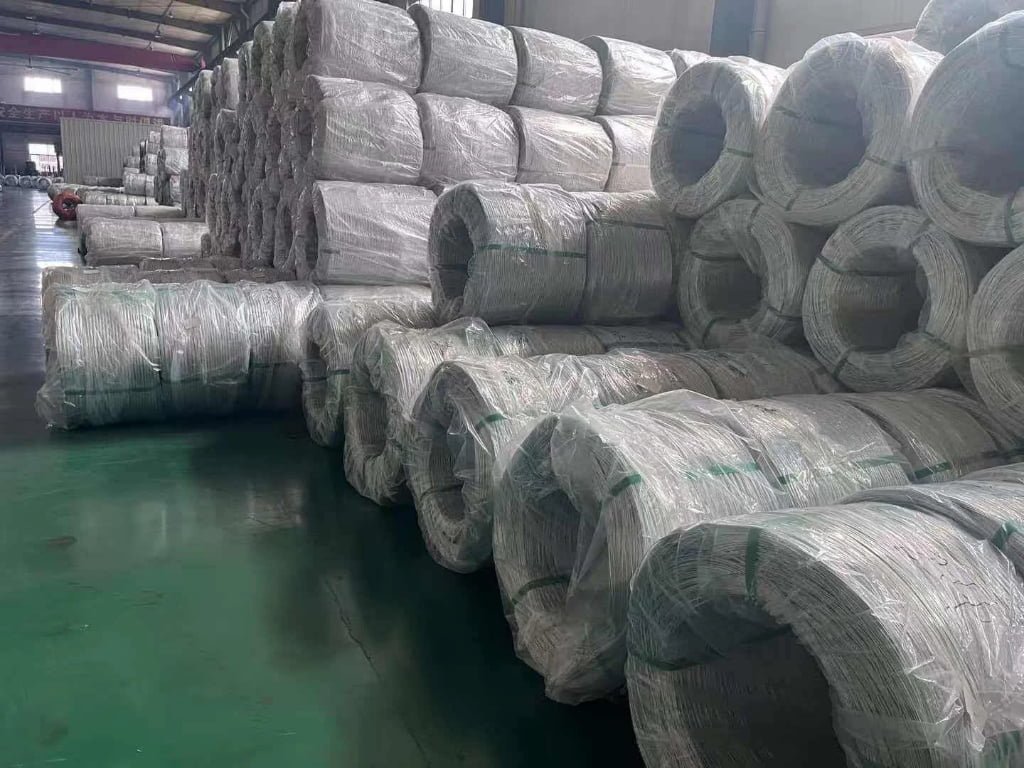
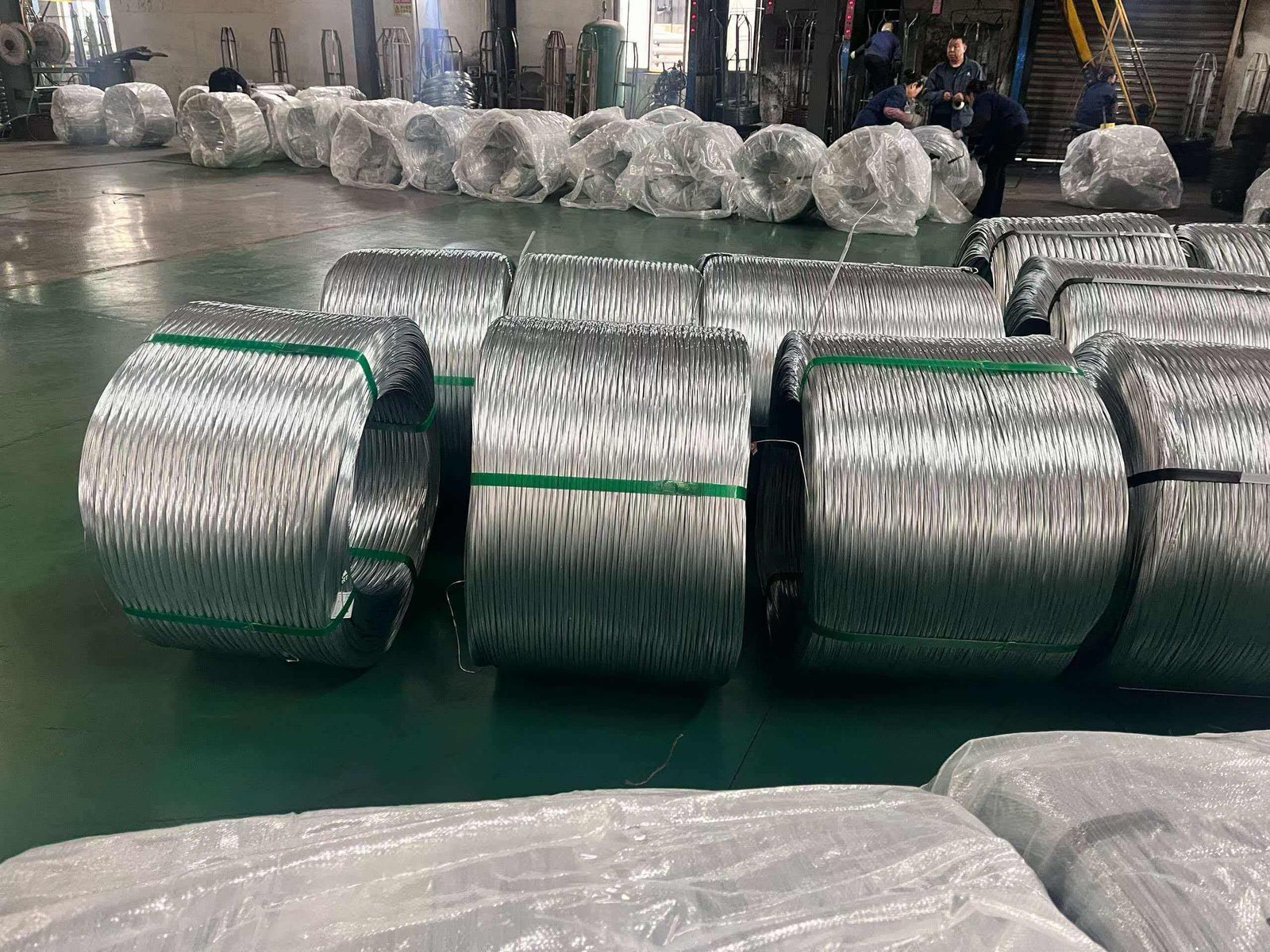
Raise all binding wire coils at least 15cm off the ground on wooden or plastic pallets. Keep coils away from warehouse walls where condensation forms. Separate galvanized and black annealed wire in different zones with clear labeling showing arrival dates.
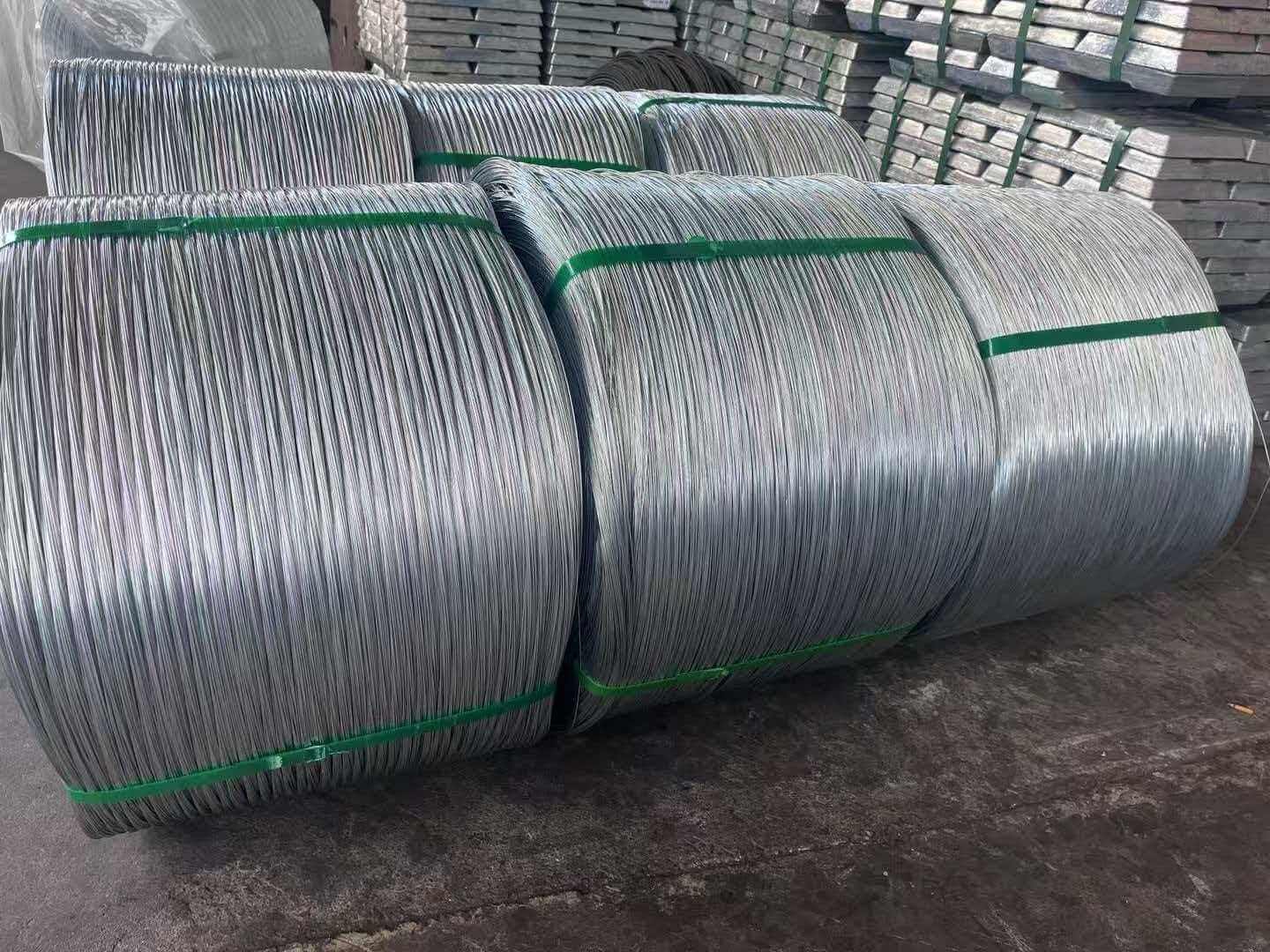
The ground clearance matters more than most wholesalers realize. Concrete floors look dry but transmit moisture. During rainy season, groundwater rises and concrete absorbs it. Coils sitting directly on the floor draw moisture upward through the packaging. Bottom layers rust first, but the damage often goes unnoticed until the coil is unwrapped for sale.
Chimwemwe uses both wooden and plastic pallets. Wooden pallets work fine when kept dry. Plastic pallets work better because they do not absorb moisture at all. He places pallets across the entire warehouse floor before stacking any coils. The 15cm clearance allows air to circulate underneath. This prevents moisture buildup.
Wall distance is the second critical factor. Chimwemwe now keeps all coils at least 30cm away from warehouse walls. Walls collect condensation during temperature changes between day and night. The metal roof also transfers heat during the day, warming the air near walls. This warm air holds more moisture, which then condenses when temperatures drop at night.
He marks the floor with painted lines showing where coils can safely sit. Workers know not to stack anything beyond the lines. This simple system prevents the most common storage mistake he sees other wholesalers make.
Separation by wire type improved his inventory management significantly. Before the change, workers grabbed whichever coil was closest. This meant older stock sometimes sat for months while newer arrivals got used first. Now, each wire type and diameter has a designated zone. Labels show arrival date and supplier batch number.
Chimwemwe inspects his stock every week during rainy season. He checks the outer packaging on coils in each zone. He looks for water stains, condensation, or any sign of moisture. Finding a problem early means moving the affected coil to a dryer location or selling it quickly at a slight discount. Finding a problem late means writing off the entire coil.
How Should You Track Different Wire Types in Storage?
One problem Chimwemwe solved with a simple notebook system. Before the reorganization, he could not tell how long any coil had been in his warehouse. Workers grabbed wire without checking dates. Some galvanized coils sat for four months and developed oxidation.
Mark each coil with arrival date using waterproof labels or permanent markers. Rotate stock using FIFO (First-In, First-Out) method. Galvanized wire should sell within 60 days of arrival during rainy season. Black annealed wire should sell within 30 days. Track each coil by supplier batch number for quality issue tracing.
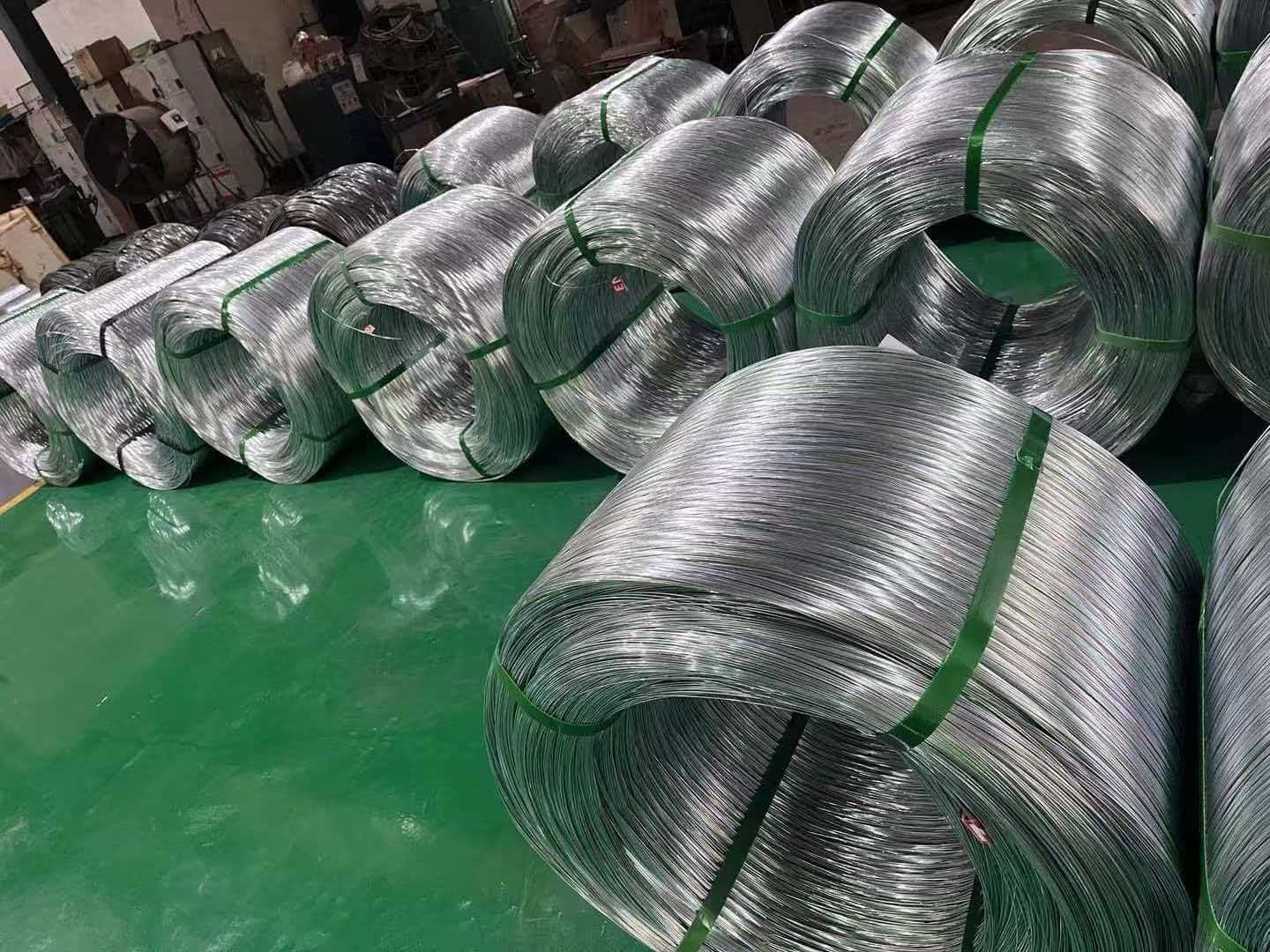
The tracking system Chimwemwe uses costs almost nothing. He buys waterproof labels from a stationery shop in Lilongwe. Each label shows three pieces of information: arrival date, wire type and diameter, and supplier batch number.
When new stock arrives, workers label every coil before moving it to storage. The date format is simple: day-month-year. Everyone in the warehouse can read it. When orders come in, workers pick coils with the oldest dates first. This FIFO rotation prevents any coil from sitting too long.
Galvanized wire gets priority tracking because of zinc oxidation risk. Chimwemwe checks galvanized coils at 45 days after arrival. If a coil shows no oxidation, it moves to the front of the storage zone for quick sale. If oxidation appears, the coil goes to a separate shelf for discount pricing. Contractors working on immediate projects often buy slightly oxidized wire if the price is right.
Black annealed wire requires even faster turnover. Chimwemwe tracks it at 21 days. The oil coating that protects black annealed wire during shipping gradually wears off. Once the oil film degrades, rust appears quickly. He rarely keeps black annealed wire beyond 30 days during rainy season.
The batch number tracking helped him identify a supplier quality issue last year. Several coils from the same batch developed rust earlier than expected. Chimwemwe checked his records and found all affected coils came from a single shipment. He contacted the supplier with batch numbers and dates. The supplier confirmed a production issue and replaced the remaining stock. Without batch tracking, he would have assumed general storage problems rather than identifying the specific source.
What Packaging Protects Wire During Extended Rainy Season Storage?
I asked Chimwemwe about packaging because I noticed some of his coils had different wrapping than others. He explained that the original factory packaging matters, but he also adds extra protection for coils he knows will sit longer.
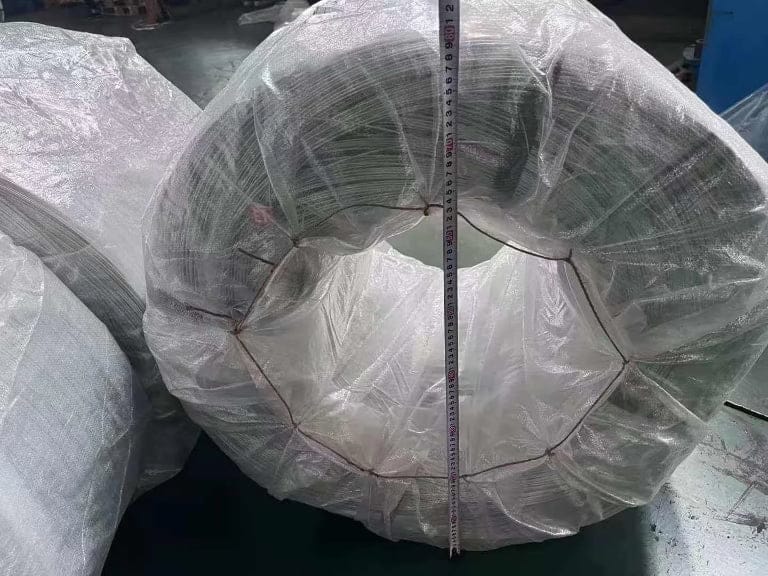
Factory packaging with inner plastic film and outer woven bags provides adequate protection for 30-45 days in humid conditions. For longer storage during Malawi's rainy season, add a second layer of plastic sheeting over individual coils. Never remove original packaging until the coil goes to a customer.
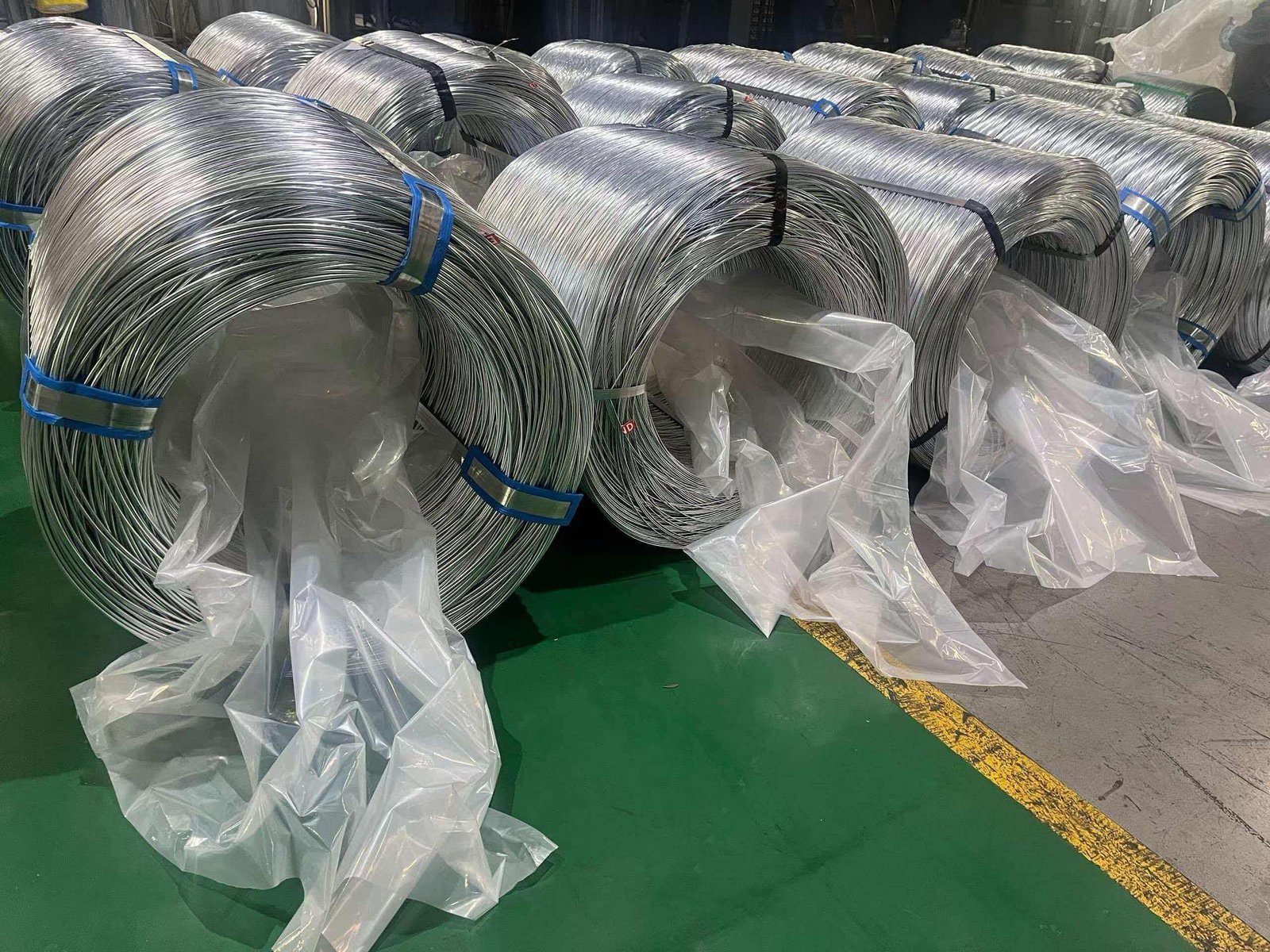
Original factory packaging uses two layers. The inner layer is thin plastic film that wraps directly against the wire surface. This layer provides the moisture barrier. The outer layer is woven polypropylene or hessian cloth. This layer provides physical protection against handling damage.
Chimwemwe keeps factory packaging intact on every coil until delivery. Some wholesalers unwrap coils partially to show wire quality to customers. This exposes the wire to moisture immediately. Chimwemwe instead keeps sample pieces of each wire type in his office for customer inspection. The actual stock stays fully wrapped.
For coils that will sit longer than 45 days, he adds extra protection. He wraps the entire coil in a second layer of thick plastic sheeting, secured with packing tape. The plastic sheeting costs about 200 Malawian Kwacha per coil. This small expense prevents much larger losses from oxidation damage.
He also adds silica gel packets between the original and extra packaging layers. Silica gel absorbs moisture from the trapped air space. Each packet works for about two weeks before it saturates. Chimwemwe replaces packets during his weekly inspections if needed.
Black annealed wire packaging requires special attention. The oil coating on black wire can stain through packaging over time. Chimwemwe stores black annealed wire on the lowest shelf of his pallet racks. Oil that slowly drips from coils does not contaminate other products. He also places absorbent cardboard sheets under black annealed wire pallets to catch any oil residue.
How Do You Train Workers to Follow Storage Procedures?
Chimwemwe told me the best storage system fails if workers do not follow it. He learned this during the first month after his warehouse reorganization. Workers reverted to old habits quickly. Coils ended up in wrong zones. Dates got mixed up. He realized the system needed to be simple enough that anyone could follow it without thinking.
Train warehouse workers to check three things with every coil movement: verify the zone matches wire type, check the arrival date before selecting stock, and confirm packaging is intact before sending to customer. Post simple visual guides on warehouse walls showing correct stacking methods.
Chimwemwe created a one-page visual guide that hangs on the warehouse wall. The guide uses pictures more than words because some workers read limited English. It shows a diagram of correct pallet stacking with height limits. It shows pictures of good versus damaged packaging. It shows the color coding system for different wire types: blue labels for galvanized wire, yellow labels for black annealed wire.
New workers spend their first day shadowing an experienced worker before handling stock alone. They learn the three-check process: check the zone, check the date, check the packaging. This takes about four hours of supervised practice before they work independently.
Every morning, Chimwemwe or his warehouse supervisor does a five-minute walk-through. They spot-check five random coils. They verify labels match the zone, dates are correct, and packaging shows no damage. If they find a problem, they correct it immediately and remind the team about proper procedures.
Workers who consistently follow procedures get a small monthly bonus. Chimwemwe found that positive reinforcement works better than punishment. Workers take pride in keeping the warehouse organized. Some even suggested improvements to the labeling system that Chimwemwe adopted.
We provide full MTC (Mill Test Certificate) and Certificate of Origin with every shipment.
We provide a full range of construction binding wire for African projects. Galvanized Iron Wire: https://mfgwiremesh.com/metal-wire/galvanized-iron-wire/ Black Annealed Iron Wire: https://mfgwiremesh.com/metal-wire/black-annealed-iron-wire/ 201 Stainless Steel Wire: https://mfgwiremesh.com/metal-wire/201-stainless-steel-wire/ Mix container loading supported.
If you are sourcing construction binding wire for Malawi or any African market, we are happy to provide a specification-based quotation. Contact us via WhatsApp: +86 15383180672.
FAQ:
Q1: Protecting binding wire from moisture damage during Malawi's rainy season.
A1: Raise all coils at least 15cm off the ground on plastic or wooden pallets. Keep coils 30cm away from warehouse walls where condensation forms. Separate galvanized and black annealed wire in different storage zones. Galvanized wire develops white rust after 2-3 months in high humidity. Black annealed wire rusts within 3-4 weeks. Inspect stock weekly during rainy season and move any affected coils to priority sales positions.
Q2: Setting up a coil tracking system to prevent old stock problems.
A2: Label every coil with arrival date, wire type and diameter, and supplier batch number using waterproof labels. Use FIFO (First-In, First-Out) rotation when picking stock for orders. Galvanized wire should sell within 60 days during rainy season. Black annealed wire should sell within 30 days. Chimwemwe checks galvanized coils at 45 days and moves oxidized stock to discount pricing. Batch number tracking helped him identify a supplier quality issue and get replacement stock.
Q3: Training warehouse workers to maintain proper storage procedures.
A3: Create a one-page visual guide with pictures showing correct stacking, color coding for wire types, and packaging inspection points. New workers shadow experienced staff for their first day. Use a three-check process: verify zone matches wire type, check arrival date before selecting stock, confirm packaging is intact. Spot-check five random coils every morning. Offer small monthly bonuses for workers who consistently follow procedures. Positive reinforcement builds better habits than punishment.